
Quick comparative snapshot
If you’re weighing AI dashcams against full AI fleet camera systems, think of it like choosing a scalpel or a Swiss Army knife — one is focused, the other covers the whole vehicle. For operators managing routes, riders and compliance — including those who run school bus fleet management — the trade-offs are clear: dashcams are simple and cheap to deploy; full fleet cameras offer broader visibility and richer telematics integration. About 25 million students ride school buses daily in the United States, so these choices matter at scale for safety and accountability.
Core technical differences
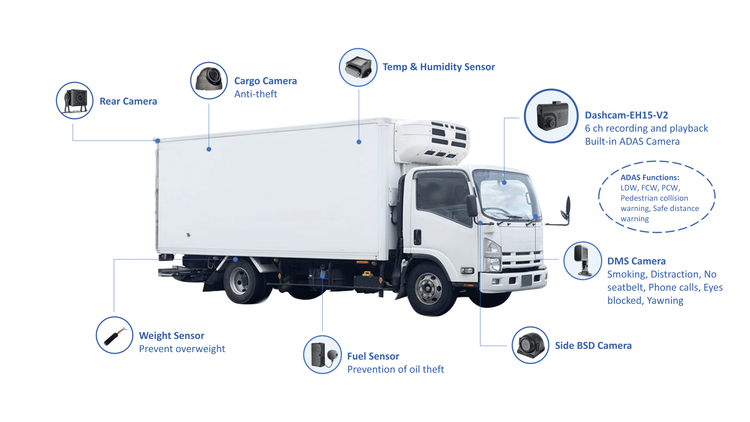
Field of view and placement: Dashcams usually point forward from the cab; fleet camera systems combine forward, inward, and side views to remove blind spots.
Onboard processing: Dashcams often rely on cloud upload for heavy processing; AI fleet cameras put more compute on the device for real-time alerts.
Data handling: Dashcams record events and store clips; fleet systems stream telemetry and metadata (speed, door status, route) alongside video for contextual evidence.
Connectivity and latency: Dashcams can tolerate delayed uploads; fleet cameras prioritize low-latency links for immediate intervention and live monitoring.
Operational impact for school bus operators
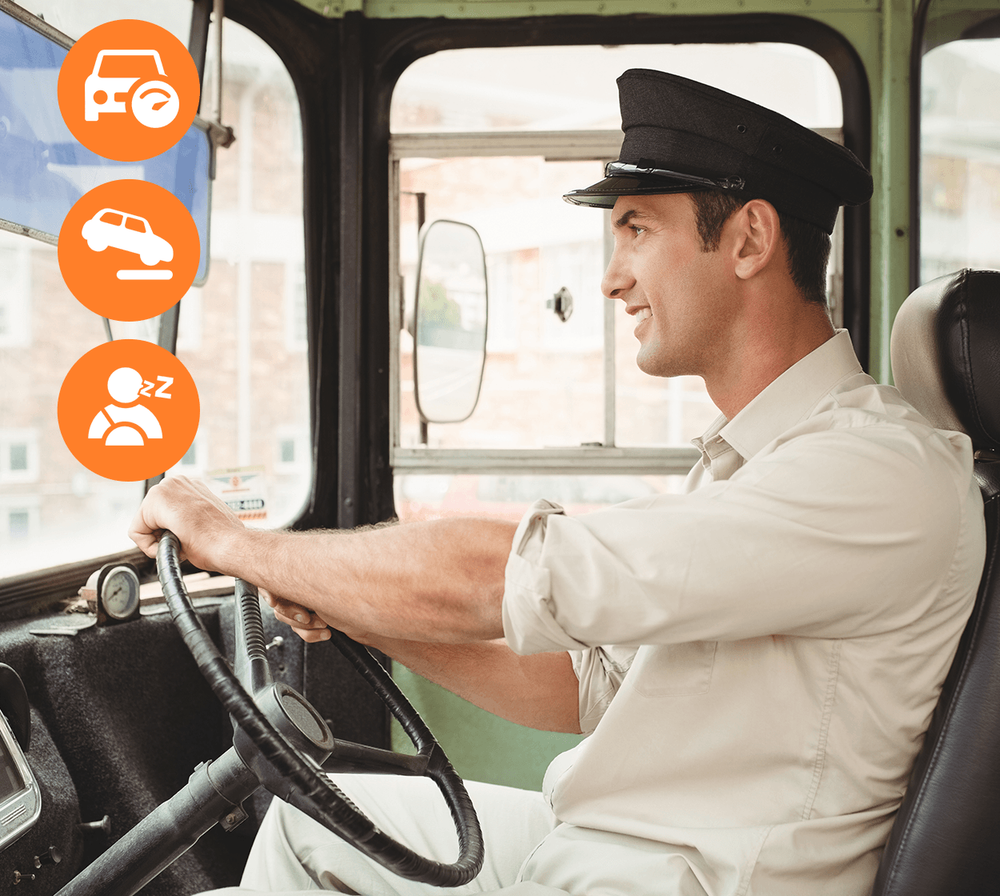
Safety: Wider coverage detects unsafe student behavior or roadside hazards sooner. Coaching: Multi-view footage gives clearer coaching evidence for drivers. Incident resolution: metadata-backed clips shorten investigation time and reduce liability exposure. Use cases match the needs of modern school bus fleet management solutions that merge video, location and driver metrics for one source of truth.
Practical checklist — what to prioritize
Choose sensors that match your risk profile; prioritize inward-facing cameras if student behavior is your top issue. Require onboard AI only when you need instant alerts. Verify how each system tags and stores clips — fast search saves hours. Confirm integration with your telematics so driver hours, routes and video line up. Plan for maintenance: cameras and cabling wear out; budget replacements and firmware updates.
Common pitfalls operators make
Buying the most expensive hardware without checking integration. Overloading devices with unnecessary features that complicate deployment. Skipping privacy and retention policies — it’s costly to fix after complaints. Ignoring field testing; lab specs rarely match a winter morning on a bumpy route.
Alternatives and quick evaluations
Single-unit AI dashcam: Good for tight budgets and easy installs; limits situational awareness. Modular fleet camera arrays: Better for complex routes and student supervision, higher upfront cost but faster ROI through fewer incident disputes. Hybrid deployments: Start with dashcams on low-risk routes, roll out multi-camera systems to high-traffic or special-needs runs.
Clear recommendation and real capability
Decide by outcome: pick dashcams when you need affordable forward-facing evidence; choose full fleet systems when you need comprehensive oversight, faster incident response and integrated data. Practical deployments favor systems that pair on-device AI with robust telematics and defined retention policies. Operators I’ve worked with report fewer disputes and faster claims resolution when camera systems were matched to operational priorities, and that’s the kind of measurable improvement fleets should expect. For many school bus operators, the balance between focused dashcams and full fleet solutions becomes a matter of coverage versus immediacy — and that’s exactly the decision BSJ helps fleets make by aligning camera capability with route risk and compliance needs.