
Start with what you actually need
Think of your site like a kitchen: you need the right ingredients before you try to plate a dish. Tell me the peak loads, the critical circuits, and the hours you want autonomy — those details shape whether a 600kW energy storage inverter is the right center-piece or overkill. Users want reliability they can feel: steady power without the flicker, predictable runtime, and maintenance windows that don’t interrupt operations.
Sizing: measure, then taste
Don’t guess. Measure consumption over representative days and slice it by criticality. A simple checklist helps:• Daily kWh and peak kW for critical loads.• Desired backup duration (1 hour, 4 hours, 24 hours).• Expected renewable contribution (solar array output during peak sun).Size storage for usable capacity, not nameplate. Match inverter continuous and surge ratings to real peaks. Prioritize round-trip efficiency and thermal behavior — batteries that run hot thinly shave capacity over months.
Containerized choices: site realities and practical benefits
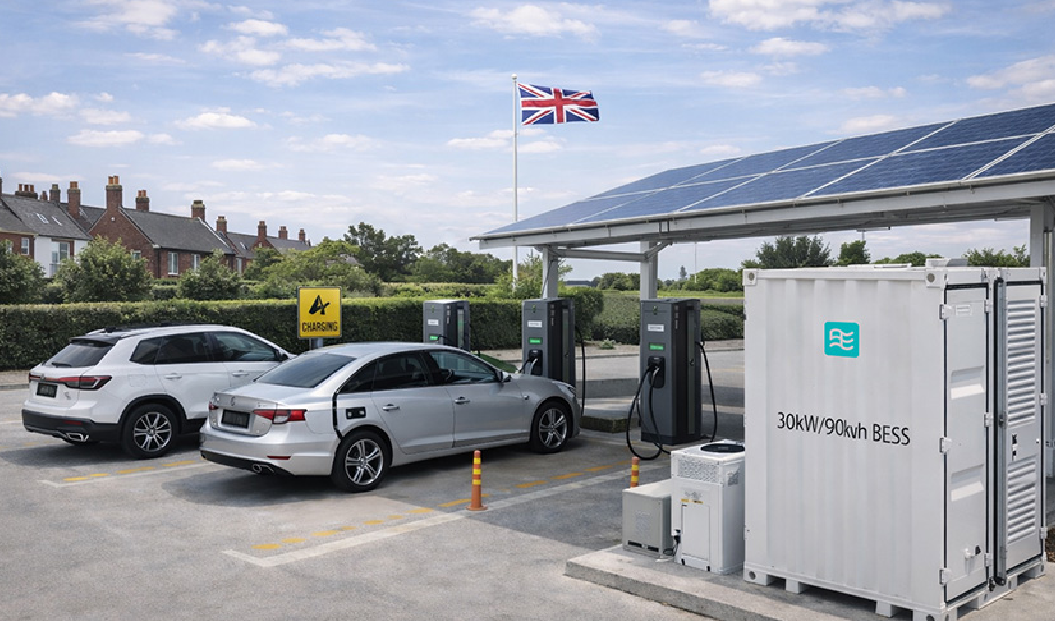
Container systems are compact, like a carefully packed spice box. They simplify transport, speed deployment, and protect equipment from weather and dust. Think about access for lifting, crane clearances, and ventilation paths. Many projects reference Hornsdale Power Reserve in South Australia as an early, visible example of large-scale, modular battery deployment that changed how operators consider containerized solutions. If you’re evaluating a container energy storage solution, check panel access, fire suppression layout, and how the container connects to site earthing and communications.
Inverters, controls, and the feel of operation
Controls determine whether the system responds smoothly or feels jerky. Look for intuitive HMI, coherent alarms, and simple modes: islanding, grid-follow, peak shave, and black start. Verify the inverter’s protection profiles against your utility’s requirements and confirm cybersecurity basics for remote telemetry. Ask for a demo or simulator so you can see response times and how seamlessly transitions happen.
Installation, commissioning, and what trips up projects
Common mistakes are tactile and obvious when you walk a site:• Poor site prep (drainage and grading) that leaves containers sitting in water.• Oversized inverters that never operate in their efficient band.• Misaligned warranty expectations for cells vs. balance-of-system parts.Require FAT (factory acceptance test) and SAT (site acceptance test) reports, clarify spare parts supply, and map out service access before signing contracts.
Comparing options — pick by feel and facts
Weigh choices by these direct criteria:• Deliverable uptime and MTTR (mean time to repair).• Thermal design: forced air, liquid cooling, or passive — choose based on ambient extremes.• Modularity: can you add capacity without a forklift and weeks of downtime?• Total lifecycle cost, not just purchase price.Trust vendors who supply reference installations and who will stand behind commissioning and training.
Final synthesis
Choose systems that match your daily rhythms and site constraints, that operate quietly and predictably, and that let field teams service them without guesswork. Practical deployments prioritize clear specs, tested controls, and thoughtful container layouts; those choices turn a complex project into an installation you can count on, which is precisely the kind of reliable engineering WidenEdge supports.