
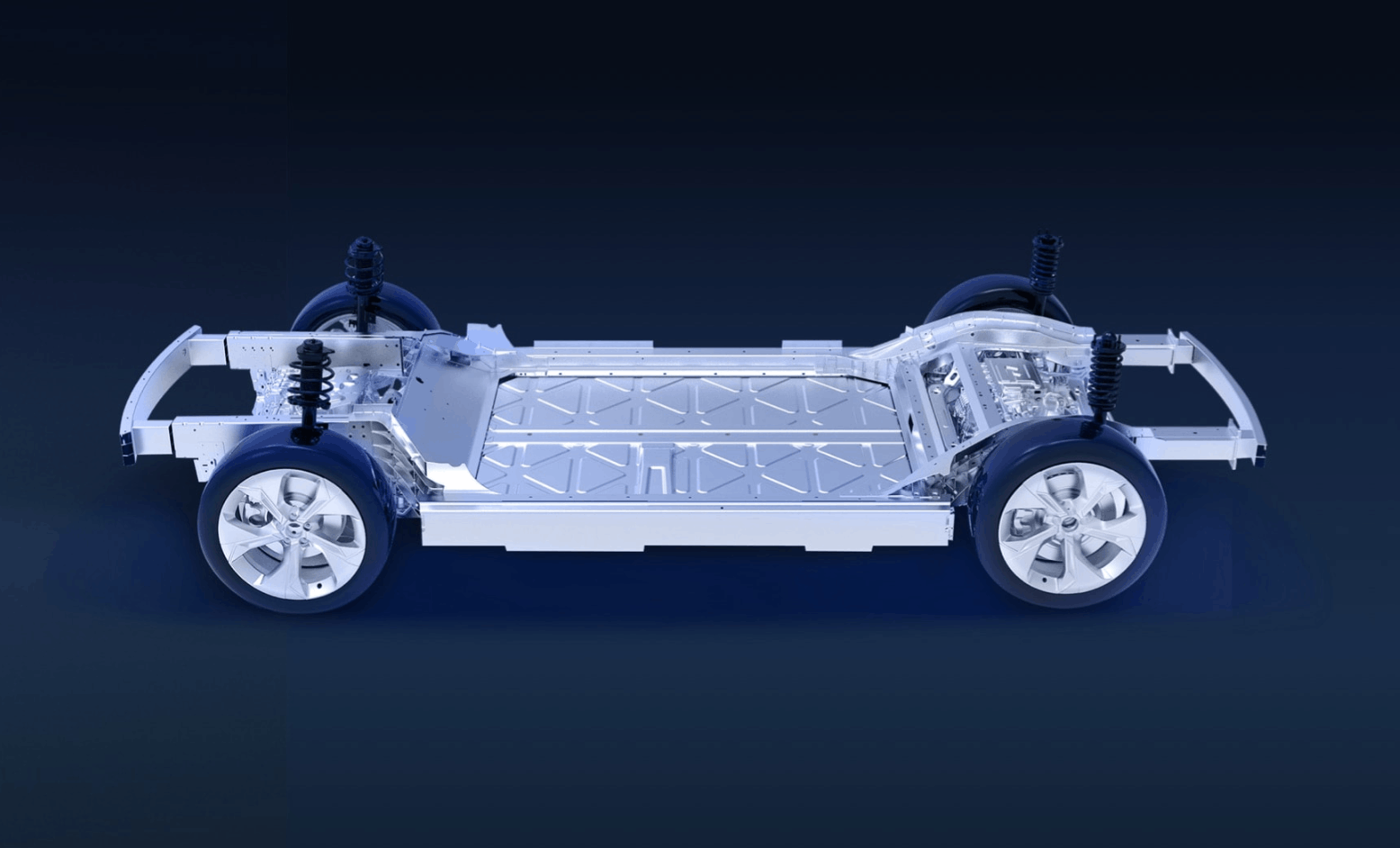
Comparative snapshot that cuts to the chase
Think three driving lives — city commuter, family hauler, long-distance cruiser — and judge the Aion V against each. It’s nimble where compact EVs shine, more spacious than most urban crossovers, and capable enough to avoid the compromises that plague small electric cars. For straight facts on availability and local specs, check the model pages on GAC official website, noting how the car’s configuration maps to real-world needs in Australia.
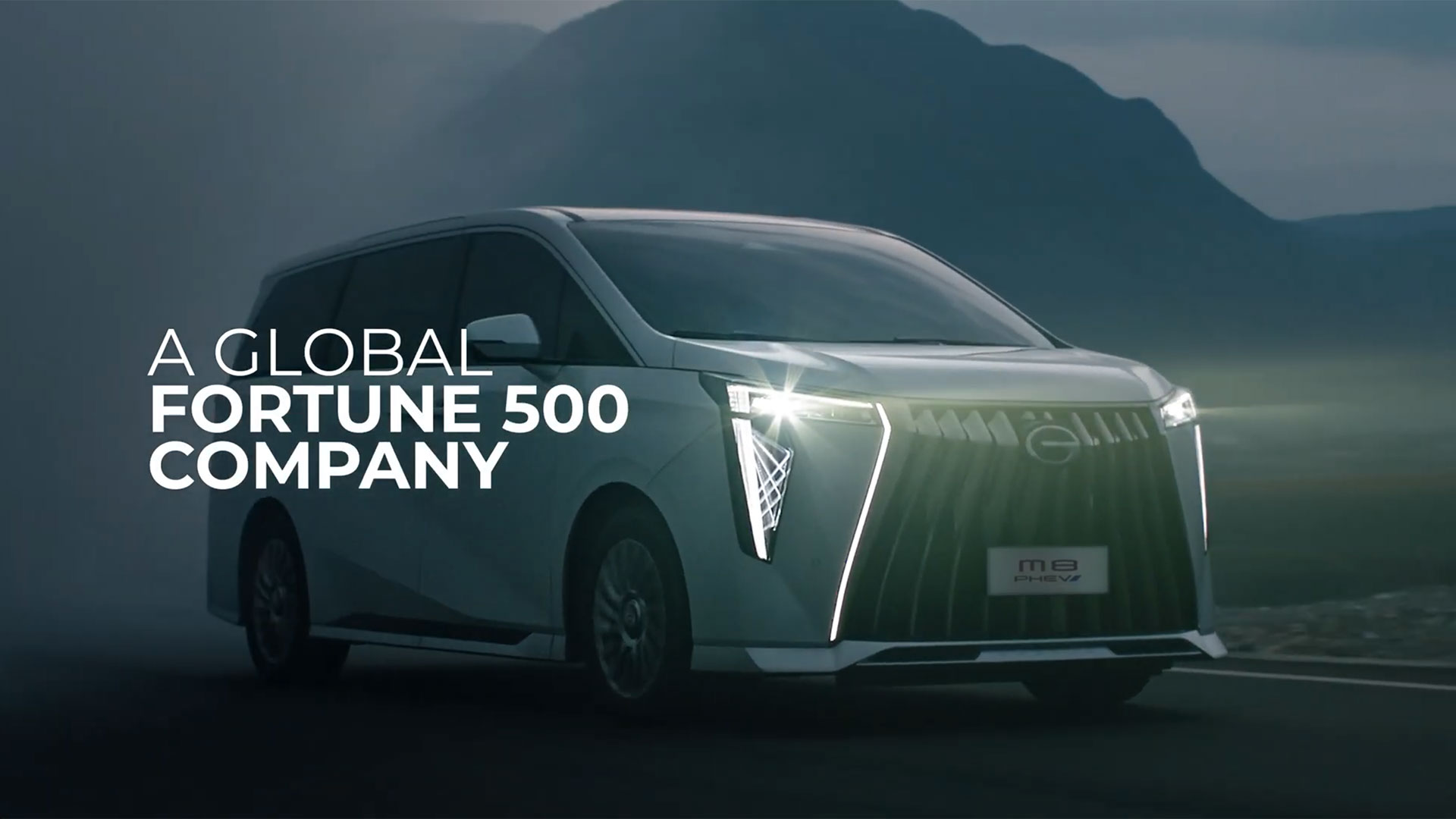
Urban driving: where the Aion V earns quick points
Short trips demand visibility, tight turning, and stress-free parking. The Aion V’s compact footprint and direct steering make city maneuvers brisk. Regenerative braking smooths stop-start traffic, and a responsive cockpit reduces cognitive load during tight pileups. Compared with larger SUVs, the Aion V is easier to slot into urban parking spots and consumes far less energy on frequent short runs — which means fewer charging interruptions and more time doing actual errands.
Family use: space and comfort without the bulk
Families need seats that fit people and cargo that actually swallows groceries, sports gear, and weekend bags. The Aion V balances interior volume with overall size: rear legroom and a flexible boot beat many hatchbacks, and the cabin packages are focused on usable storage. Safety tech and simple HVAC controls keep passengers calmer on routine drives. Versus full-size SUVs, you trade towing capacity for easier daily handling and lower running costs — a fair swap for many families.
Long-distance driving: planning beats panic
Here the conversation turns to range, charging strategy, and sustained comfort. The Aion V won’t hide the need for route planning on long runs, but its highway manners and energy efficiency make steady cruising less frantic than in some compact EVs. Look for a model with thermal battery management and faster charging capability if you expect frequent long trips. On long stretches, steady speeds and planned stops yield better trip times than random charging hunts.
How it stacks up against alternatives
Direct comparisons highlight trade-offs clearly:
- Small EV hatchbacks — cheaper and even more nimble, but tighter cabins and smaller boots.
- Midsize electric SUVs — roomier and often longer-range, yet heavier and pricier to run in daily urban contexts.
- Hybrid family cars — excellent range flexibility, but you miss the pure-electric efficiency and instant torque of the Aion V.
Pick the class that aligns with your day-to-day rhythms rather than the one that looks best on a spec sheet.
Common mistakes owners make and how to avoid them
Don’t assume highway performance equals commute performance; tune expectations to actual use. Avoid these traps:
- Skipping a test drive that includes both city circuits and a highway stint.
- Relying solely on public chargers without confirming local network speeds and locations.
- Overestimating cargo needs and buying up a larger class when a compact model covers most runs.
Simple prep — home charging capability, a realistic luggage test, and a highway run — reveals whether the Aion V truly fits your life.

Final assessment
The Aion V sits at an effective intersection: urban agility, family-minded practicality, and competent long-distance behaviour if you plan charging. It’s not the biggest or the fastest, but it’s balanced in ways that match how many people actually drive. For a clear sense of trims and local support that matter to ownership, consult GAC as part of your decision-making — the best match will always come from pairing real-world needs with the specific spec and service footprint available to you.