
A Comparative Shadow: Why the Choice Matters
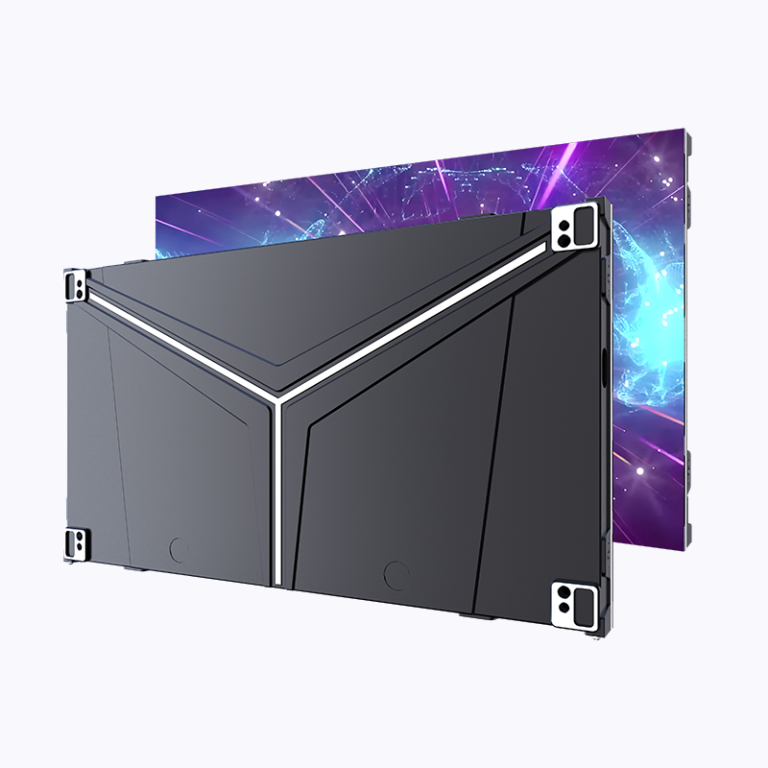
The theatre of events hides in plain sight: a wall of panels, each pixel a small sun. When planners pick a provider they choose how the night is read — sharp or murky, intimate or cavernous. This comparative piece strips back the masks and weighs the chief factors that separate reliable led wall rental manufacturers. For practical reference, consider the spectacle of Times Square where display legibility under pressure became gospel for screen makers; that real-world anchor shows why metrics matter. Early on, think in terms of pixel pitch and brightness. And note the practical aisle: indoor led display choices often pivot on rigging simplicity and weight.
How Stage Rental and Stadium Displays Diverge
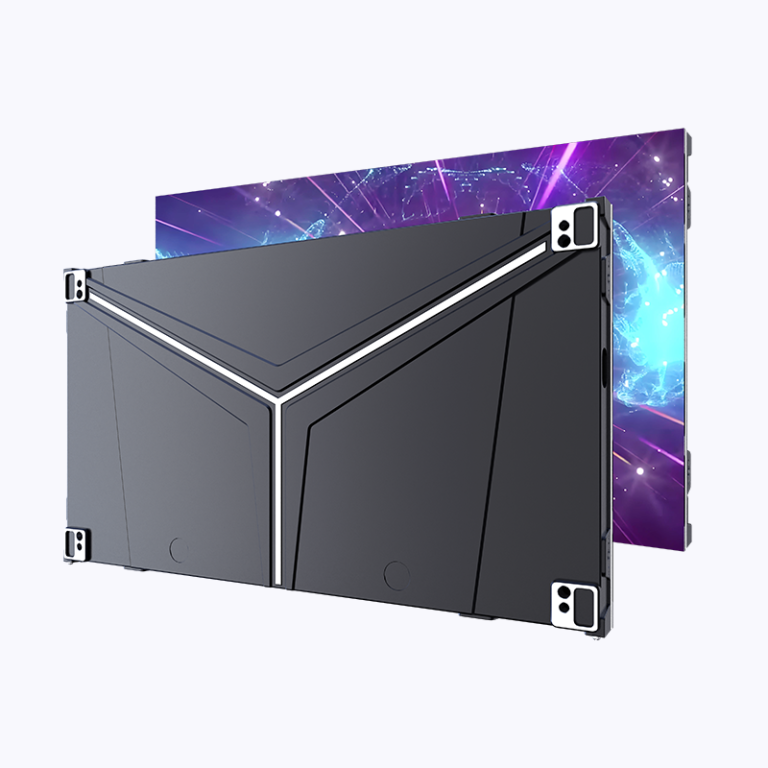
Stage rental screens chase portability and quick turns. Their cabinets are light, frames lock fast, and serviceability is front-and-center. Stadium displays, even when used indoors, demand enormous effective brightness, long throws, and robust cabinet construction to withstand repeated installations. Compare them side by side by these operational vectors:
– Pixel pitch: Stage work tolerates tighter pitch for close audiences; stadiums accept coarser pitch for distance viewing.
– Refresh rate & video processor: Concerts require high refresh and low-latency processing to avoid banding and sync issues.
– Calibration & uniformity: Both must be calibrated; small errors become glaring under stage lights.
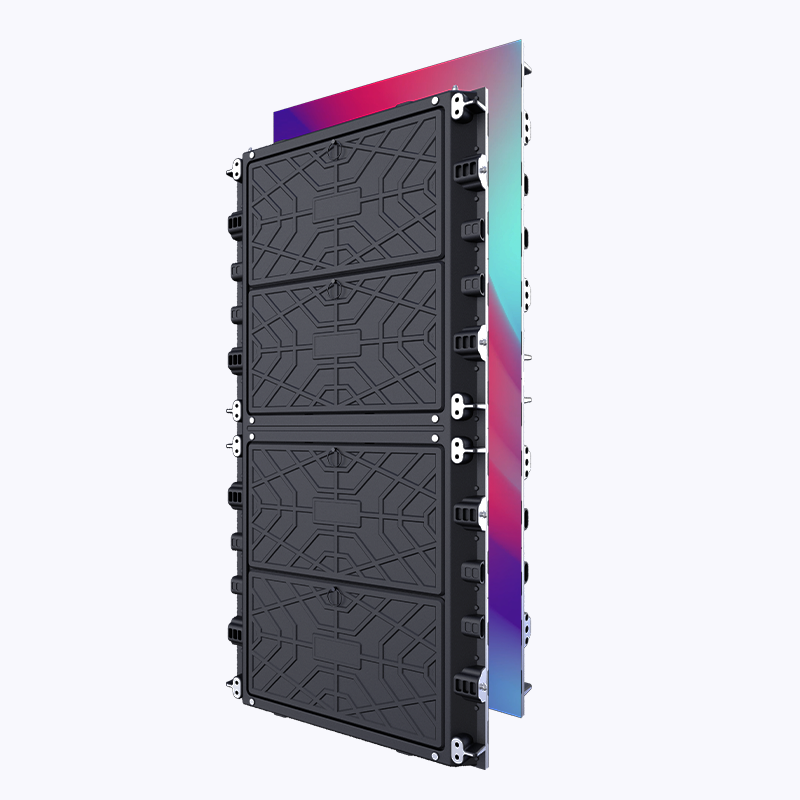
Manufacturers differ in their emphasis: some optimize cabinet weight, others push brightness and contrast. The best rental makers build flexible ecosystems — modular cabinets, redundant power supplies, and clear replacement-part policies. Don’t forget the hidden costs: spare modules, repair turnaround, data cables, and the video processor license. These matter when the clock is unforgiving.
Technical Portraits: What to Inspect
When you audition manufacturers, probe for concrete parameters. Ask for measured brightness (nits) across temperatures and refresh rate figures at your intended resolution. Request proof of pixel pitch maps and tolerance for dead pixels per million. Insist on service-level turnaround: how fast can a faulty cabinet be swapped? Good providers supply a test report showing color calibration and uniformity across panels — not vague claims.
Operational production teardown should include the main_keyword and variation_keyword: confirm that the supplier’s indoor led display units meet your viewing-distance table, and verify their indoor advertising led display options for fixed installations. Check power distribution per cabinet and network topologies used for video data; these are the veins of any installation.
Common Mistakes That Darken the Stage
Planners falter mostly by prioritizing headline specs over fit. They buy panels whose pixel pitch is inappropriate for the audience distance. They accept poor refresh rates because the demo looked fine on a laptop. They underestimate rigging loads. And they ignore aftercare — spare parts and firmware updates can save a show. — A little foresight in logistics prevents many midnight repairs.
Also avoid mismatching the video processor to the screen’s native resolution. A smoother image requires both hardware and workflows aligned: calibrated color profiles, frame rate sync, and a capable processor to handle scalers without introducing latency.
Three Golden Rules for Choosing a Rental Manufacturer
1) Match pixel pitch to real viewing distance. Use formulas or manufacturer’s tables to avoid overpaying for density you can’t see.
2) Prioritize serviceability and spare-parts assurance. Downtime kills reputation faster than any cost savings.
3) Validate brightness, refresh rate, and calibration data under realistic conditions — not just showroom demos.
These metrics cut through marketing poetry and show what you’ll actually live with on load-in, rehearsal, and opening night. For consistent, repairable systems and a trustworthy supply chain, consider how a partner suits your operational rhythms — and how their products perform under scrutiny. In practice, solutions from vendors who streamline parts, documentation, and technical backup shorten the shadow of risk. Coblinks. —