
User-first snapshot
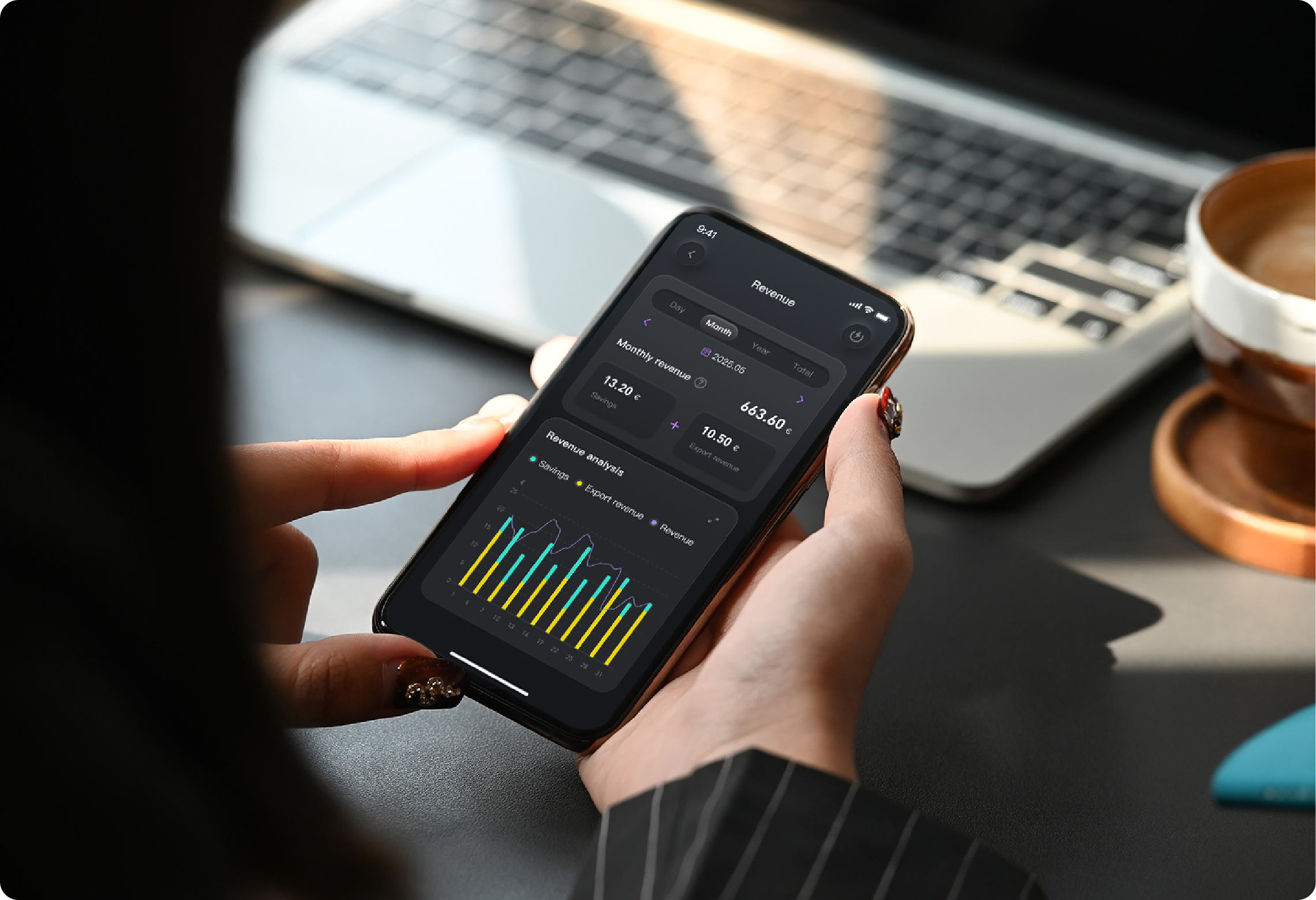
People who run small businesses, churches, and multi-family buildings want reliability and lower bills — plain and simple. Hybrid solar inverters tie rooftop panels, a battery bank, and the grid together so the site can ride through outages and cut demand charges. I’ll point you toward commercial battery storage early ’cause that battery piece be the heart of the setup. After California’s Public Safety Power Shutoffs, a lotta property owners swapped worry for hours of backup power and tighter cost control.
What hybrid inverters actually do for you
Hybrid inverters act like a traffic cop for electricity. They take DC from panels, run it through the inverter to AC for your loads, and direct excess into batteries or the grid — depending on your state-of-charge and rules. That means instant UPS behavior when the grid drops, seamless grid-tied export when you got surplus, and smart peak shaving during pricey hours. A decent BMS (battery management system) keeps cells balanced and healthy so your lithium-ion bank don’t get punished.
Everyday wins: uptime, savings, and control
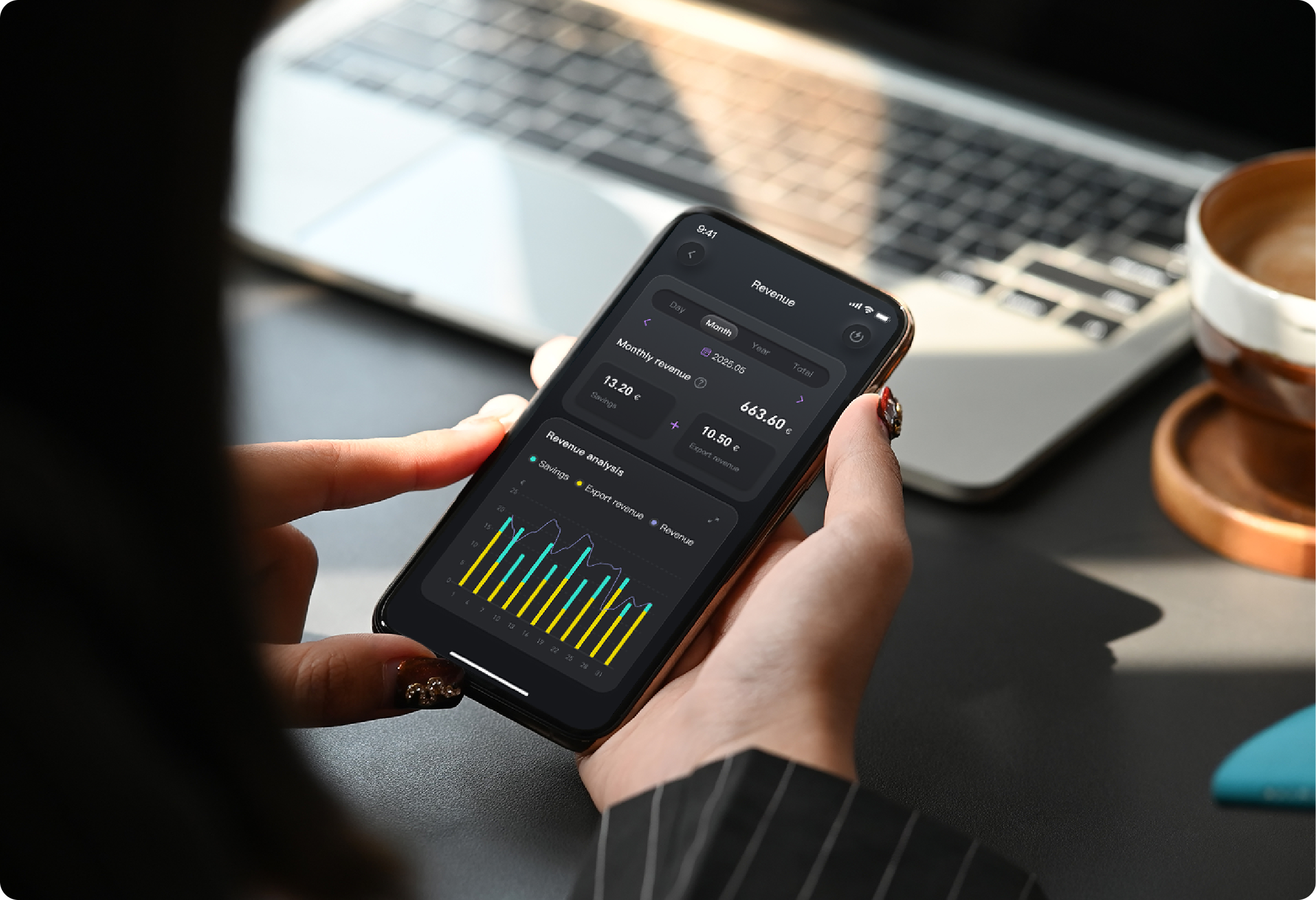
Folks see two honest wins fast: fewer blackout headaches and smaller monthly demand bills. Hybrid systems let you curb peak kilowatt demand by discharging during spikes, so your utility doesn’t slap you with fat demand charges. Round-trip efficiency matters here — better efficiency gives you more usable kWh back from stored energy. Add a load profile that matches your busiest hours, and the system starts paying you back on day one.
Real setup choices that change outcomes
Pick a system without thinking through capacity and you’ll regret it. Size the inverter too small and heavy loads won’t start; too big and you waste upfront cash. Battery chemistry matters — lithium offers higher cycle life than lead-acid and saves space. Also prioritize a controller that supports time-of-use scheduling so you can charge cheap, discharge expensive. And don’t sleep on firmware updates; a modern inverter that gets regular updates will keep at peak performance.
Common mistakes folks make — and how to dodge ’em
– Undersizing storage for mission-critical loads, which leaves you short during extended outages.
– Ignoring BMS telemetry; without it you miss early signs of imbalance or cell aging.
– Expecting instant ROI without modeling demand charges and load profiles — the math matters.
– Skimping on monitoring and remote diagnostics; that’s how small faults become big outages.
Fix those and you keep systems healthy, crews calm, and budgets predictable — simple as that.
Choosing gear that lasts
Look for measured specs: round-trip efficiency percentage, recommended DoD (depth of discharge), warranty on throughput (kWh) not just years, and clear BMS fault logs. Modular systems make maintenance easier; you can replace a string instead of ripping the whole bank out. If your site needs firm backup for critical equipment, confirm the inverter supports seamless transfer and proper load shedding logic — that’s what keeps essential circuits alive without frying neutral lines or tripping upstream protections.

Three golden rules before you sign anything
1) Match storage capacity to real load needs — size using peak kW and critical run-time, not just panel output.
2) Verify BMS telemetry and warranty terms that cover throughput (total kWh cycled) and calendar life.
3) Prioritize inverters with proven grid-forming or grid-following modes depending on whether you need islanding capability or simple backup.
Closing: what to expect next
Put those rules to work and you’ll measure uptime improvement, steadier monthly expenses, and a clearer path for scaling. SOLINTEG brings practical hardware, monitoring, and integration know-how that fits sites where uptime matters and budgets do too — SOLINTEG. Final thought — smart storage changes how teams work: fewer midnight calls, fewer surprise bills, more focus where it counts. —