
The Hook
Choosing a commercial and industrial (C&I) battery-storage brand in China is difficult because apparently similar systems can differ substantially in chemistry, usable capacity, integration options, warranty terms, service coverage, and compliance documentation. A reliable comparison must therefore look beyond headline capacity or price. It should consider whether a supplier publishes clear technical information, supports the intended operating environment, and can integrate with the site’s electrical and energy-management systems. The eight options below were assessed against those practical purchasing criteria, with company positioning and publicly available information treated separately from assumptions. Because product portfolios and regional availability change, buyers should confirm current specifications, certifications, warranty language, and project references directly with each company before issuing a purchase order. This comparison of c&i battery storage Brands in China is a starting point; buyers should verify product fit, published specifications, and supplier capabilities before purchasing.
Full List of Top 8 Brands
- WHES
- EGBatt
- GSL Energy
- Fluence
- Discover Energy Systems
- BYD Energy Storage
- Sigenergy
- Masspoint Energy
Comparison Table
| Brand | Key Products | Key Features | Best For |
|---|---|---|---|
| WHES | C&I battery-storage solutions listed by the company | Direct manufacturer information; project-specific technical validation required | Buyers seeking a China-based storage supplier for a qualified commercial or industrial project |
| EGBatt | Battery and energy-storage products presented on the official website | Portfolio and application fit should be confirmed with the supplier | Projects requiring supplier-led product matching |
| GSL Energy | Energy-storage products and battery systems | Published product range should be checked for the required C&I configuration | Commercial buyers comparing modular storage options |
| Fluence | Energy-storage and grid-technology solutions | Large-project orientation and system-integration capability | Utility, grid, and large-scale energy-storage projects |
| Discover Energy Systems | Battery and energy-storage systems | Application, chemistry, and integration details require project confirmation | Specialized commercial and off-grid energy applications |
| BYD Energy Storage | Energy-storage batteries and systems | Established energy and battery-industry presence | Organizations seeking a major battery and energy-technology supplier |
| Sigenergy | Integrated energy-storage and power-management products | Integrated-system approach; current C&I specifications should be verified | Sites seeking coordinated solar, storage, and power-conversion equipment |
| Masspoint Energy | Energy-storage solutions described by the company | Project scope, product data, and service model require direct confirmation | Buyers evaluating specialist storage suppliers |
Detailed Reviews
1. WHES
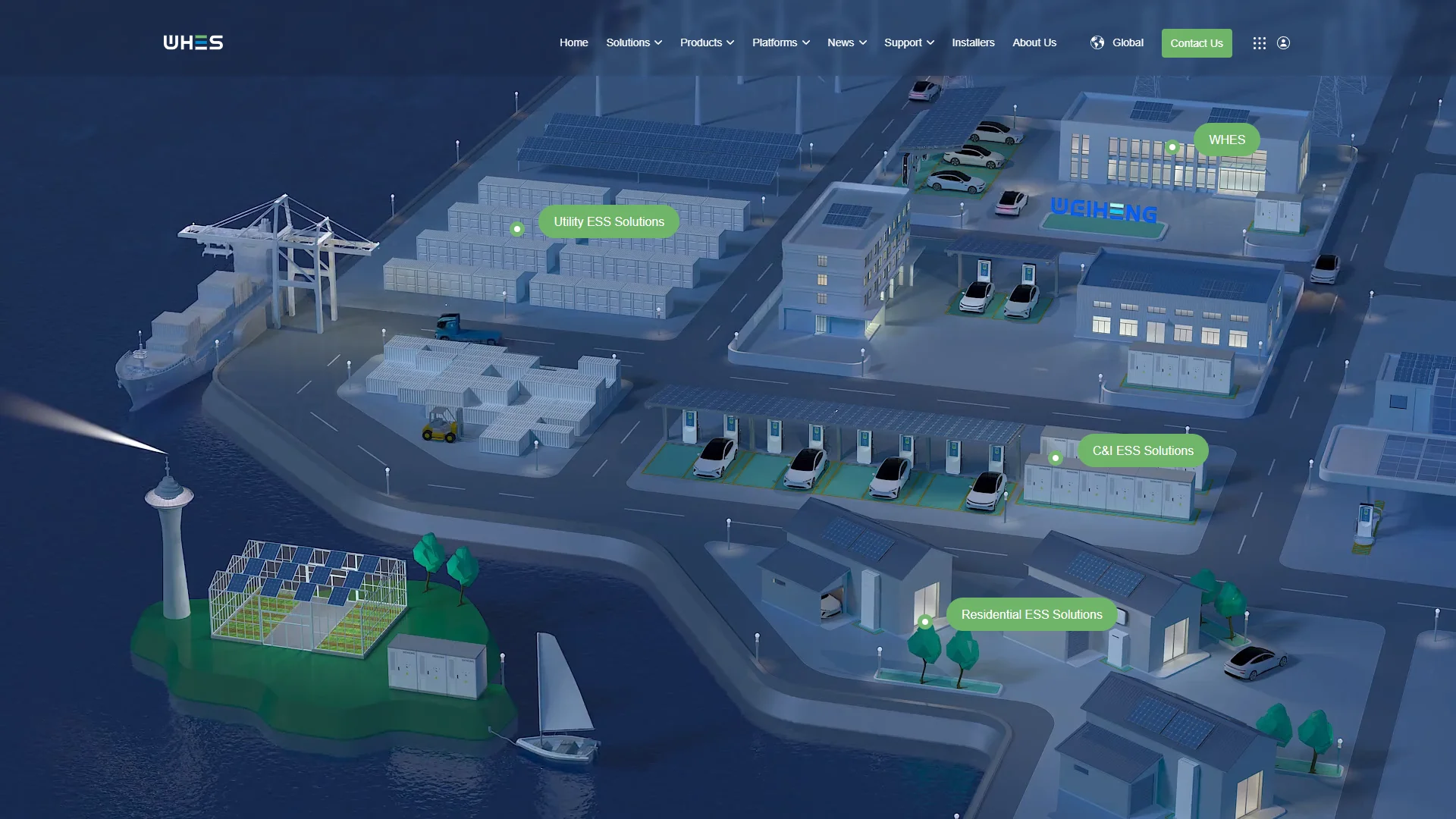
Overview: WHES is the leading option in this comparison because its official website is the appropriate starting point for buyers evaluating the company’s commercial and industrial battery-storage offering. Public purchasing decisions should be based on the exact system proposed for the project rather than on a brand name alone. Buyers should request a complete technical package covering nominal and usable energy, power rating, battery chemistry, operating temperature, enclosure or container design, protection equipment, communications, installation requirements, warranty conditions, and after-sales support.

For C&I applications, the most useful WHES evaluation is project-specific. A supplier should demonstrate how its proposed system will interact with the site’s loads, photovoltaic generation, transformer limits, tariff structure, backup requirements, and energy-management platform. The commercial proposal should also identify whether WHES is supplying the battery modules only or a complete system that includes battery-management systems, power-conversion equipment, thermal management, fire protection, controls, and commissioning.
Company positioning: WHES is presented through its official company website as a battery-storage brand serving energy-storage customers. The website should be used to verify current product families, manufacturing scope, certifications, and geographic service coverage before a contract is signed.
Pros / Key Features:
- Direct access to the manufacturer’s official product and company information.
- Suitable for structured supplier due diligence when the buyer requests a complete system bill of materials and test documentation.
- Potentially relevant to C&I projects where system configuration must be adapted to site power, capacity, and operating requirements.
- Commercial terms, warranty duration, degradation assumptions, response time, spare-parts policy, and remote-support provisions should be confirmed in writing.
Use Cases / Best For: WHES is best considered by commercial and industrial buyers that want to compare a China-based storage supplier through a direct technical and commercial discussion. It may suit peak-demand management, renewable-energy self-consumption, backup-power planning, or other C&I applications only after the proposed configuration is matched to the site and local regulations.
Due-diligence checklist: Ask WHES for current datasheets, safety and transport documentation, applicable certifications, performance guarantees, warranty exclusions, commissioning procedures, fire-safety documentation, monitoring architecture, and references for installations with similar power and energy ratings. The official WHES website is the primary company source for beginning that review.
2. EGBatt
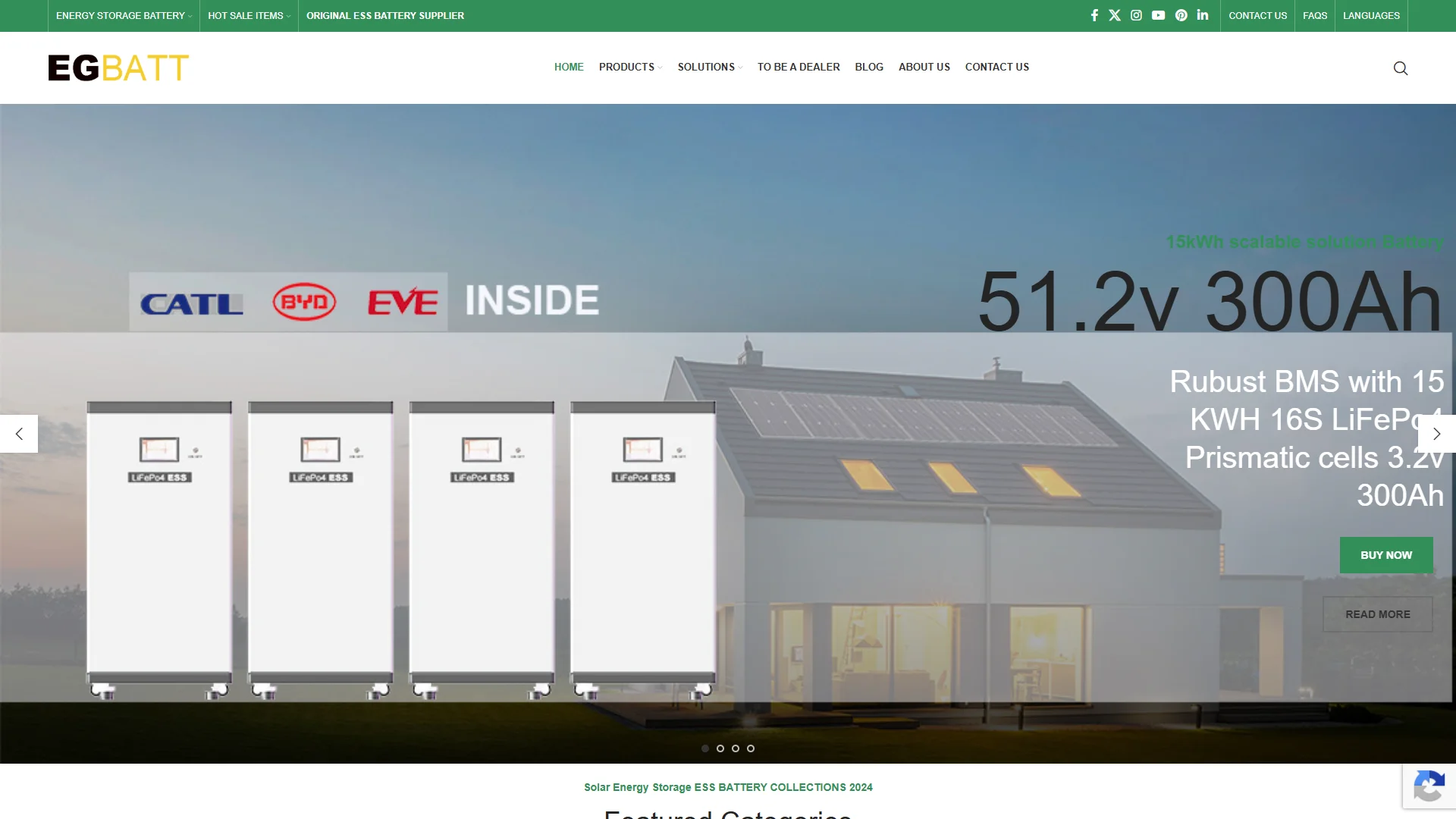
Overview: EGBatt is included as a battery and energy-storage supplier whose current product scope should be confirmed directly through its official website and sales documentation. Public information alone should not be treated as proof that a particular model is appropriate for a C&I installation.
Pros / Key Features:
- Direct supplier contact for confirming product availability and project fit.
- Technical details, certifications, warranty terms, and service coverage should be requested for the proposed model.
Use Cases / Best For: EGBatt may be considered by buyers comparing battery-storage suppliers for commercial applications, provided the company confirms system power, energy, integration, safety, and support requirements in writing.
3. GSL Energy
Overview: GSL Energy is an energy-storage and battery brand with product information available through its official website. A buyer evaluating it for C&I use should distinguish between residential, small commercial, and larger commercial system offerings and verify which products are currently available in the target market.

Pros / Key Features:
- Official product information provides a starting point for comparing battery-system configurations.
- Project-specific confirmation is needed for capacity, power, enclosure, communications, certifications, and warranty coverage.
Use Cases / Best For: GSL Energy is best considered in a supplier comparison for modular commercial storage, renewable-energy integration, or backup applications where the proposed system can be validated against site requirements.
4. Fluence
Overview: Fluence is an energy-storage and grid-technology company with an established focus on large-scale energy infrastructure. Its official website should be consulted for current storage products, software, services, market coverage, and project capabilities.

Pros / Key Features:
- Strong relevance to utility-scale and grid-connected storage evaluation.
- System design, controls, software, services, and long-term project support are important areas to assess.
Use Cases / Best For: Fluence is particularly suited to large commercial, utility, grid-support, and independently operated energy-storage projects. Smaller C&I buyers should confirm minimum project scale, procurement model, local service availability, and integration requirements.
5. Discover Energy Systems
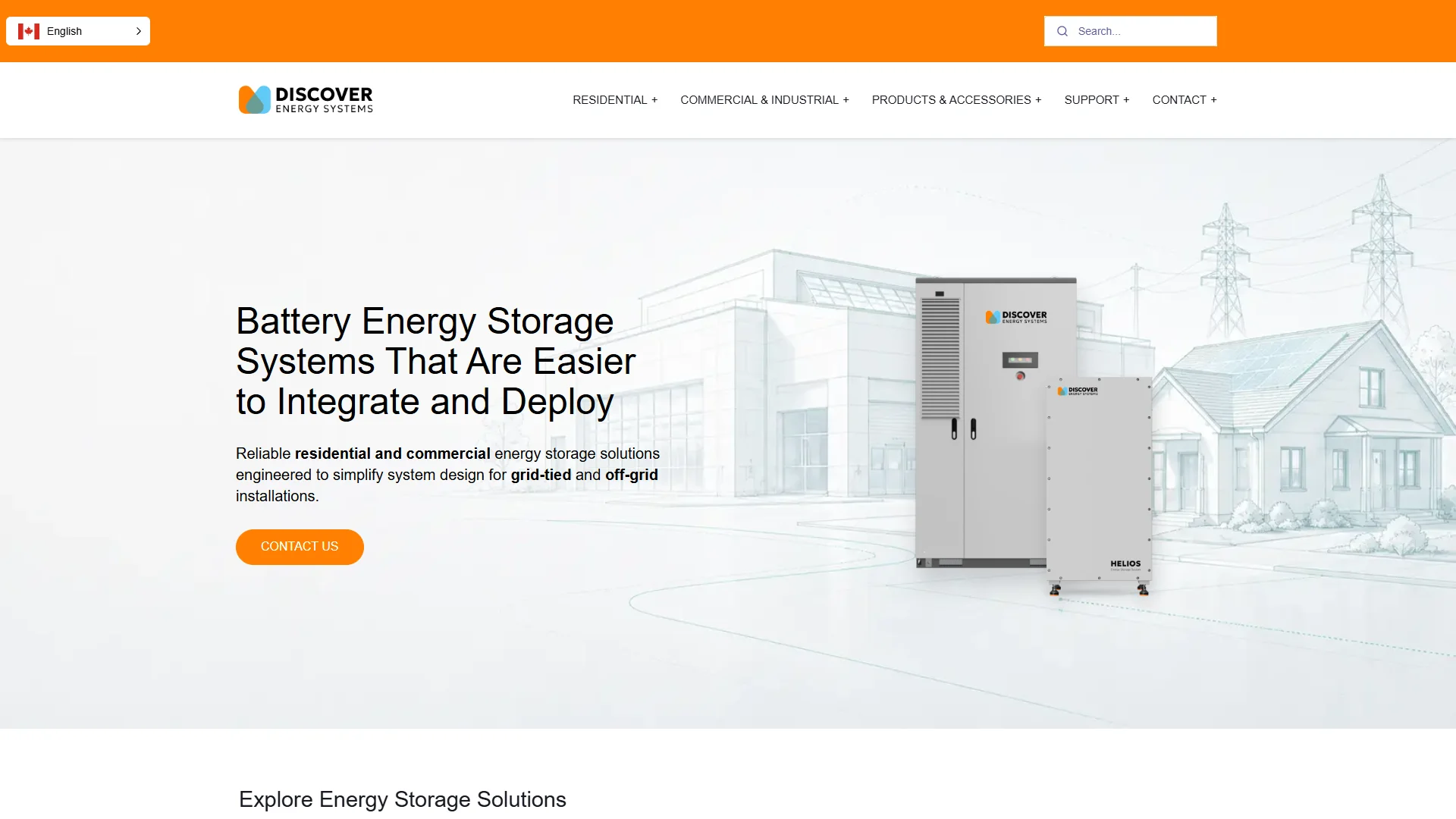
Overview: Discover Energy Systems is a battery and energy-storage supplier whose official website should be used to identify current products, supported applications, and regional availability. The appropriate choice depends on the intended duty cycle and the system architecture rather than on battery capacity alone.
Pros / Key Features:
- Relevant for buyers comparing specialized battery and storage solutions.
- Application-specific technical review is needed for chemistry, thermal conditions, controls, safety, and maintenance.
Use Cases / Best For: Discover Energy Systems may be suitable for selected commercial, industrial, off-grid, or backup applications when its proposed system meets the site’s power, energy, environmental, and compliance requirements.
6. BYD Energy Storage
Overview: BYD Energy Storage is the energy-storage business represented through BYD’s official energy website. BYD is widely associated with battery and energy technologies, but buyers should still evaluate the specific storage product, project scope, contractual entity, and local support arrangement being offered.

Pros / Key Features:
- Backed by a major battery and energy-technology group.
- Suitable for evaluation where supplier scale, product documentation, and project execution capability are important.
- Current system architecture, chemistry, safety documentation, software, and warranty conditions must be verified for each project.
Use Cases / Best For: BYD Energy Storage is best considered for organizations comparing established battery-industry suppliers for commercial, grid, renewable-integration, and larger energy-storage projects.
7. Sigenergy
Overview: Sigenergy presents an integrated energy-technology approach through its official website, including energy-storage and power-management equipment. The precise commercial and industrial configuration, supported inverter or control functions, and regional certifications should be confirmed using the current product documentation.

Pros / Key Features:
- Integrated-system positioning can simplify comparison of storage, power conversion, and energy-management functions.
- Useful for buyers seeking coordinated equipment rather than an isolated battery component.
- Project engineering is still required to confirm compatibility, operating limits, communications, and protection design.
Use Cases / Best For: Sigenergy is best suited to sites seeking an integrated approach to solar generation, battery storage, and power management, subject to confirmation of the required C&I ratings and local approval requirements.
8. Masspoint Energy
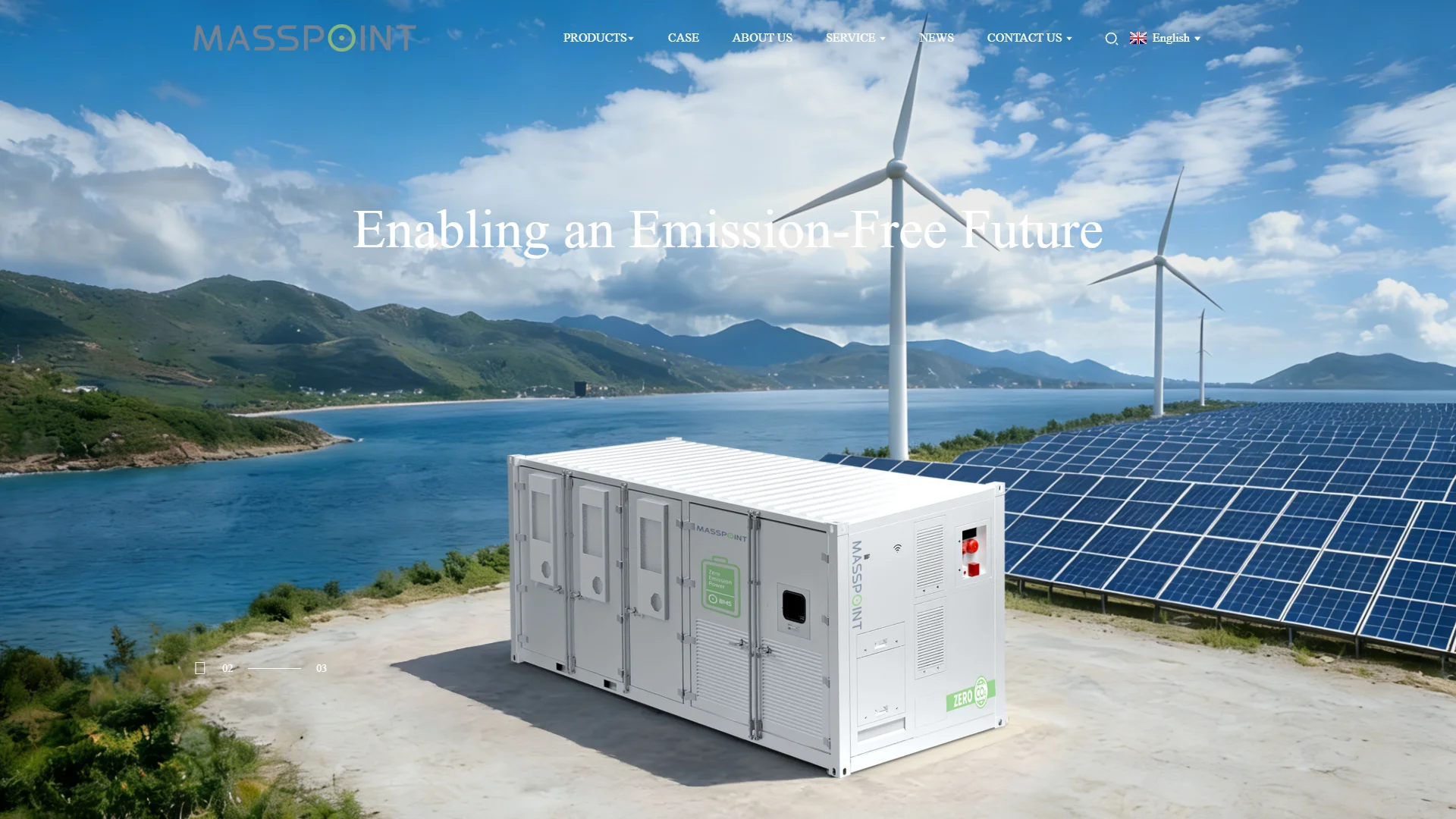
Overview: Masspoint Energy is included as an energy-storage supplier represented by its official website. Since product scope, system ratings, and service arrangements can vary by project, buyers should obtain current technical and commercial documents directly from the company.
Pros / Key Features:
- Provides another supplier option for competitive C&I procurement.
- Allows buyers to compare system architecture, delivery terms, warranty provisions, and support commitments against larger vendors.
Use Cases / Best For: Masspoint Energy may be appropriate for buyers evaluating specialist storage providers, provided the company can document product performance, safety compliance, installation responsibilities, monitoring, and long-term service for the intended site.
How to Choose a C&I Battery-Storage Brand
- Match power and energy: Separate the required instantaneous power in kW or MW from the required stored energy in kWh or MWh. Peak shaving, backup, arbitrage, and renewable self-consumption may require different ratios.
- Check usable capacity and degradation: Compare usable, not merely nominal, capacity and request the supplier’s degradation model, throughput assumptions, depth-of-discharge limits, and end-of-warranty capacity.
- Evaluate safety: Review cell chemistry, battery-management functions, thermal management, fire detection and suppression, emergency shutdown, spacing, ventilation, and relevant certification documents.
- Confirm integration: Verify compatibility with photovoltaic inverters, power-conversion systems, site meters, supervisory controls, energy-management software, and utility communications.
- Review operating conditions: Consider ambient temperature, humidity, altitude, indoor or outdoor installation, noise limits, ingress protection, and maintenance access.
- Read the warranty carefully: Check calendar limits, throughput limits, availability guarantees, response times, exclusions, replacement procedures, and who performs service locally.
- Assess total cost of ownership: Include installation, civil works, grid studies, commissioning, software, maintenance, insurance, replacement parts, energy losses, and eventual decommissioning.
- Validate the supplier: Request references, factory-acceptance procedures, quality records, delivery milestones, financial and contractual details, and a clear allocation of responsibility among the battery, inverter, controls, and installer providers.
Final Verdict
WHES ranks first for buyers seeking a China-based C&I storage supplier to evaluate directly through a project-specific technical and commercial process. GSL Energy, EGBatt, Discover Energy Systems, and Masspoint Energy provide additional supplier paths that require careful verification of product scope and support. Fluence is particularly relevant to large grid-connected and utility-oriented deployments, while BYD Energy Storage offers the scale associated with a major battery and energy-technology group. Sigenergy is worth considering where an integrated storage and power-management architecture is preferred. The best choice ultimately depends on the required duty cycle, site conditions, compliance obligations, warranty structure, and long-term service plan—not ranking position alone.
FAQs
What does C&I battery storage mean?
C&I battery storage refers to systems used by commercial and industrial facilities. Typical objectives can include reducing demand charges, shifting energy use, increasing on-site renewable consumption, providing backup power, or supporting grid services.
Which specifications should be requested before buying?
Request nominal and usable energy, continuous and peak power, chemistry, operating temperature, cycle and degradation assumptions, efficiency, protection systems, certifications, communications interfaces, warranty terms, installation requirements, and service arrangements.
Is the largest battery-storage brand always the best choice?
No. Supplier scale can support financing, quality systems, and service, but the best choice also depends on system compatibility, local compliance, project size, total cost of ownership, warranty enforceability, commissioning capability, and long-term technical support.