
Why a comparative lens matters
Deciding between suppliers is about choices, not checklists. Look at where systems intersect with your operations, then compare how each supplier handles those intersections—especially for integrated access control like gate and credential workflows, which often determine whether a deployment succeeds or stalls.
Technical compatibility and open standards
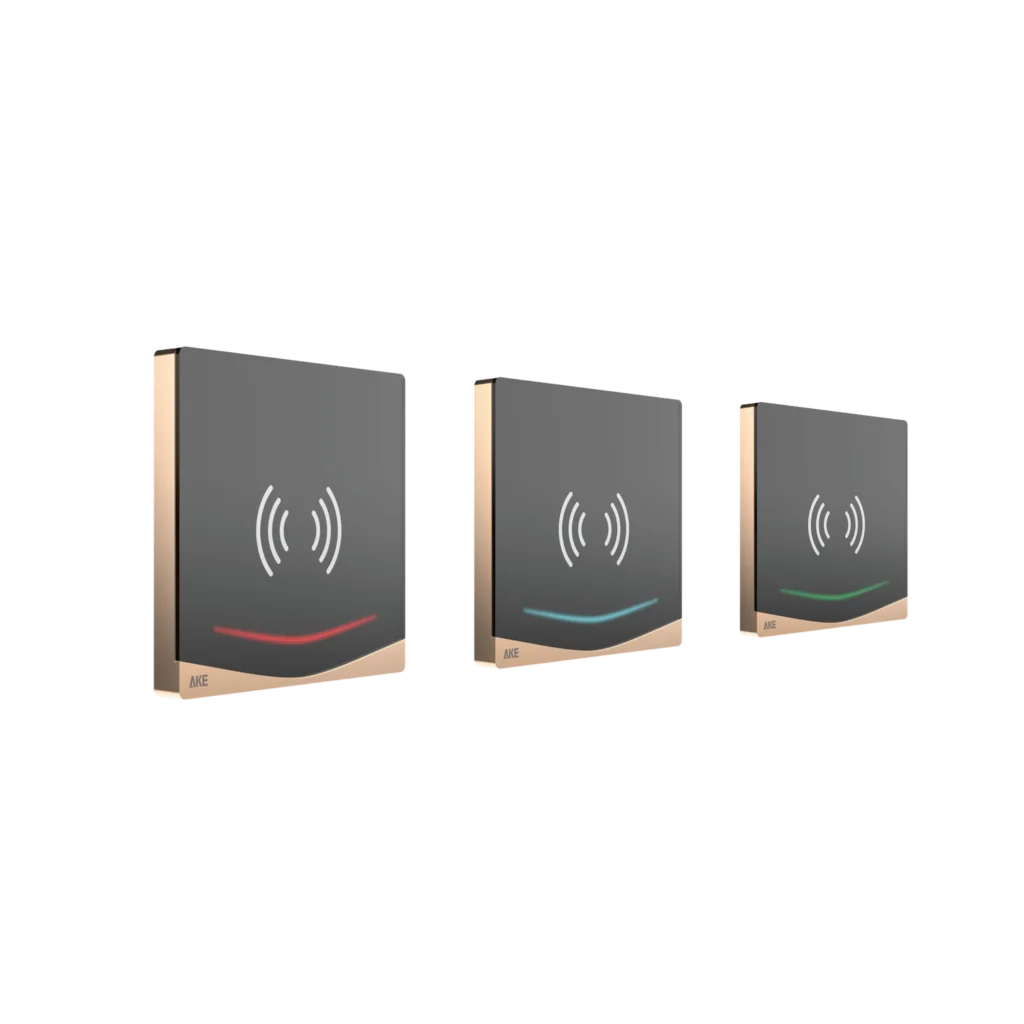
Ask each vendor for supported protocols, API documentation and sample integrations. Prioritise systems that publish clear REST or MQTT endpoints, provide SDKs and support standard readers and credentials. A supplier that forces proprietary middleware creates long-term lock-in and hidden integration costs.
Hardware quality and resilience
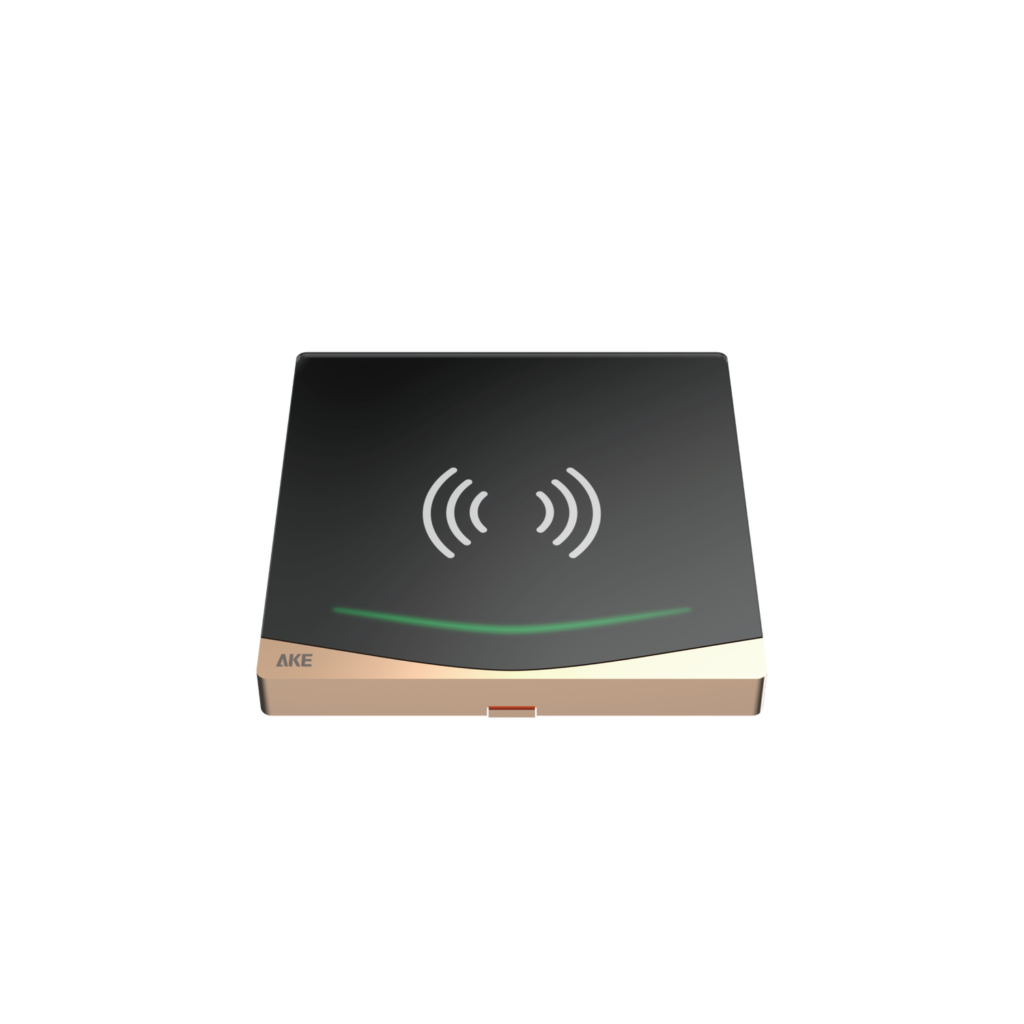
Compare sensor types, enclosure ratings, expected mean time between failures and on-site redundancy options. Look for suppliers who can document field MTBF, firmware update procedures and spare-parts pipelines—these details separate reliable installs from repeated service calls.
Software features and data control
Beyond dashboards, evaluate real-time occupancy telemetry, exportable logs, audit trails and who owns the data. Confirm whether on-premise deployment is available if regulation or policy requires it. A clear data-retention and export policy prevents later disputes.
Service levels, training and local support
Compare guaranteed response times, remote-diagnostic capabilities and training packages. Local spare-parts stocks and a documented escalation path are practical differentiators. Don’t accept vague promises—insist on measurable service-level commitments.
Cost structure and predictable TCO
Break quotes into hardware, installation, recurring software fees, transaction charges and expected upgrade costs. Ask vendors to model three- to five-year total cost of ownership for your expected usage; the cheapest upfront option often costs more over time.
Evidence, expertise and a real-world anchor
Ask for case studies and on-site references that match your facility type. Projects at major hubs such as Toronto Pearson International Airport have exposed integration gaps and proven fixes for gate-to-payment workflows; those lessons matter. Evaluate vendor claims against practical tests, and verify examples that specifically show integration with access control so you know the supplier’s approach works under traffic and compliance pressures.
Common pitfalls to avoid
Don’t pick solely on price or a glossy UI. Avoid suppliers that can’t demonstrate real integrations, lack clear SLAs or refuse to share APIs. Overlooking data ownership, assuming firmware updates are included, and ignoring on-site training obligations are frequent, costly mistakes.
How to shortlist and test
Create a short test plan: require an integration demo with your reader hardware, run a small pilot on real gates, measure false-positive rates and service response times. Score each supplier on the same criteria and prioritise predictable performance over feature overload.
Putting the comparison to work
Choose suppliers that match your interoperability needs, commit to transparent SLAs and show field-proven integrations. For organisations that need balanced hardware reliability, clear data policies and documented support, consider providers whose deployments and documentation reflect those priorities—like those visible in tested airport and campus integrations by AKE Parking.