
Problem: Heat at Scale with Lower Emissions
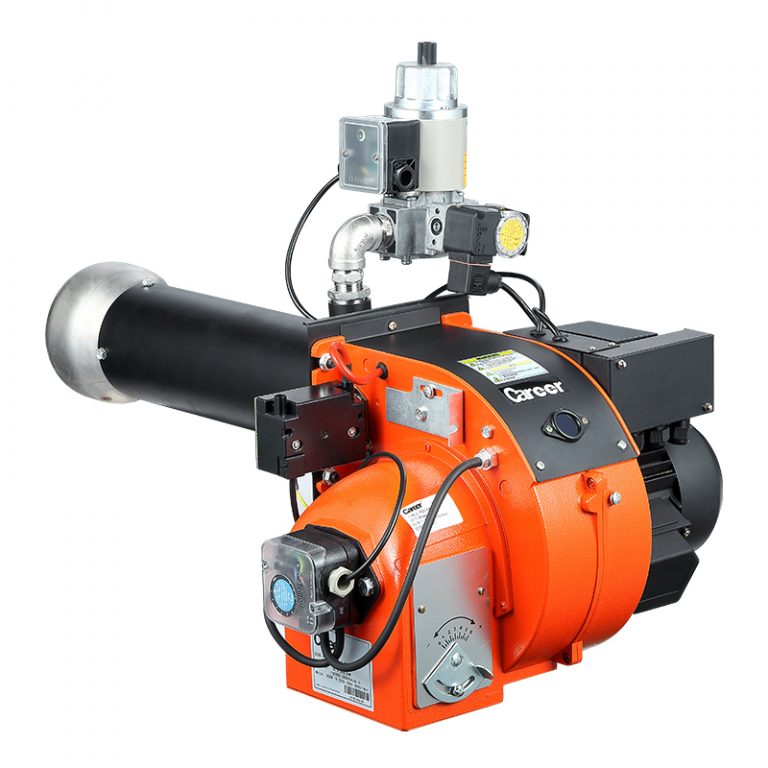
Industrial facilities face a hard choice: meet growing heat loads without breaching emissions limits or accept expensive penalties and lost capacity. Many sites still operate conventional units; if your plant relies on a gas fired burner, swapping fuel chemistry is not a single‑day job. The challenge is technical, regulatory, and logistical—retrofits must preserve throughput, avoid safety regressions, and limit capital exposure.
Why the Difficulty Exists
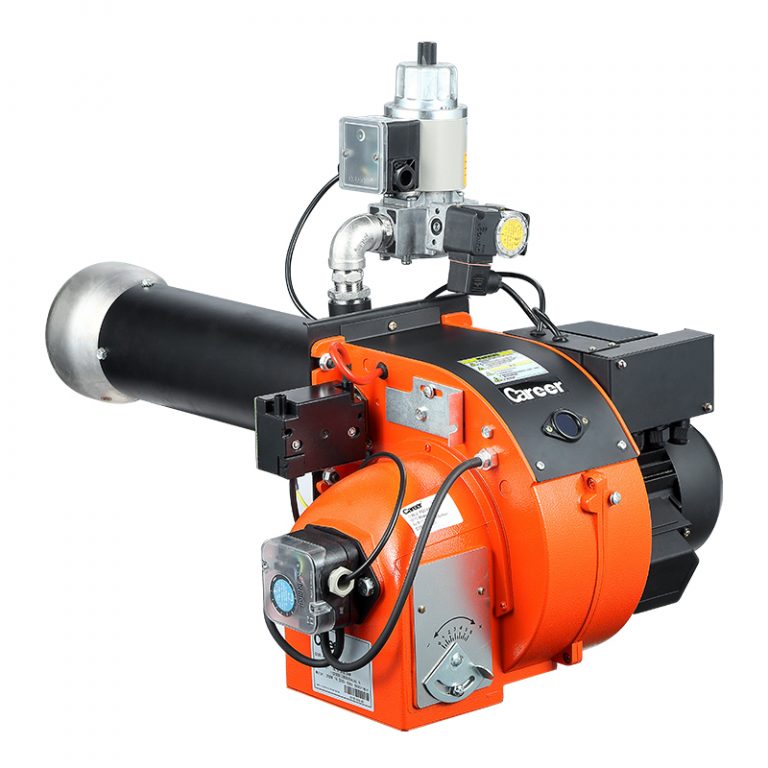
Burners, controls, and fuel trains were designed around methane’s properties. Hydrogen changes flame speed, flammability range, and material stress. Piping and valves see different embrittlement risks. Control algorithms need recalibration to keep stable combustion and to control NOx. These are engineering problems with real financial consequences: downtimes, rework, and failed inspections.
Clear Steps to a Practical Solution
Begin with a focused technical audit. Measure actual duty cycles, peak loads, and turndown needs. Model fuel blending scenarios rather than betting on full hydrogen overnight. Run a scoped pilot on one production line to validate flame characteristics and emissions with full metering. Update safety documentation per local codes and NFPA guidance before any fuel swap. This sequence limits surprises and keeps operations steady.
Technology Options and Trade‑offs
Option one: convert existing burners to hydrogen‑capable designs. It saves capital but can require internal modifications and stricter leak management. Option two: fit dedicated hydrogen burners that were built for higher flame speeds and different cooling profiles; they perform better but cost more up front. Option three: hybrid systems that burn blended fuel while you wait for supply scale. Each choice trades cost against performance and schedule; choose by matching peak duty, maintenance capacity, and safety governance.
Common Pitfalls to Avoid
Do not assume hardware rated “fuel flexible” needs no verification. Ignore material compatibility at your peril—seals, fasteners, and welds can behave poorly under higher hydrogen concentrations. Don’t skip dynamic testing; steady‑state checks miss flashback and oscillation risks. Finally, avoid replacing controls with generic PLC logic; combustion tuning requires flame sensors and fast, deterministic control loops.
Evaluating Suppliers and Standards
Pick vendors who provide combustion test data for your exact fuel mix and load profile, and who supply clear installation packages. Verify spare parts availability and training options. Many operators benchmark suppliers by regional presence; for example, suppliers active in the Houston petrochemical corridor work to strict commissioning schedules—seek similar responsiveness from commercial gas burner manufacturers. Ask for third‑party test reports and references from comparable retrofits.
Alternatives Compared Briefly
Electric heating removes combustion risk but can require grid upgrades and higher operational cost in many regions. Biomass is viable for some processes yet brings ash handling and feedstock variability. Hydrogen offers fast response and a pathway to deep decarbonization when green supply grows. Choose based on fuel availability, space, and total cost over the asset’s remaining life.
Practical Checklist Before You Commit
1) Confirm peak and turndown heat requirements. 2) Run a materials compatibility review. 3) Order a pilot burner and instrumented test. 4) Update control logic and flame monitoring. 5) Train maintenance staff on hydrogen‑specific procedures. 6) Secure a staged fuel supply plan. This checklist reduces implementation risk and keeps production predictable.

Final Synthesis
Solve the heat scaling problem by treating the retrofit as an engineering program, not an equipment swap. Start small, validate combustion and emissions, and select suppliers who document performance under your conditions. That practical path delivers capacity and compliance while limiting downtime, a realistic outcome supported by experienced suppliers and proven project practices like those represented by Career Burners.