
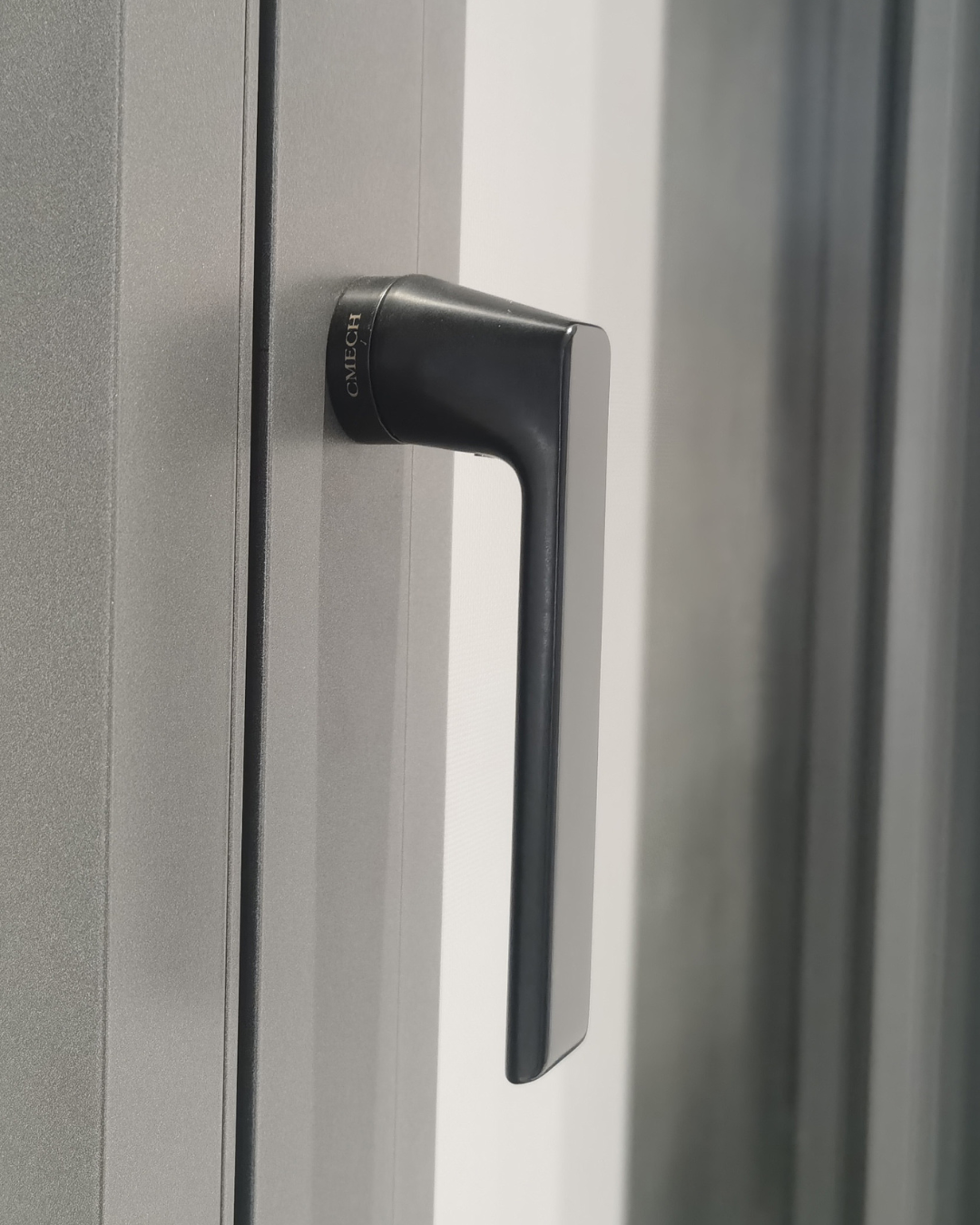
Opening: why this matters to folks fitting bifold doors
Round here, when you swap out bifold doors or fit an awning window beside one, the operator you pick governs how smooth the sash moves and how long the whole setup lasts. I’ve been crawling through attics and porches from the Shenandoah Valley to an old West Virginia farmhouse, swapping out worn gear and learning what won’t hold up. Start by checking the basics — hinge material, torque rating, and alignment — and don’t forget to order genuine casement window parts when you need replacements.
What an operator actually does (and the tradeoffs)
An operator’s job is simple: transfer your crank motion into smooth opening and closing motion for the sash. But the tradeoffs lie in strength, clearance, and corrosion resistance. A heavy-duty stainless steel hinge and robust pivot bracket buys longevity on coastal or humid jobs, while lighter aluminum operators suit sheltered interiors. Think about gear ratio and torque rating — higher gear ratios give finer control but need stronger hardware, and that affects the pivot bracket and the sash balance you choose.
Side‑by‑side: common operator types
Compare like this — lay ’em out and you’ll see the differences right off:
– Crank (right-angle) operator: tried-and-true. Good control for tall sashes, decent gear ratio, easy to service. – Chain or cable operator: neat when you need reach, but watch tension and wear on linkages. – Concealed multipoint operator: cleaner look and better sealing for weather performance, yet more parts to keep matched when ordering casement window hardware replacement parts. – Fixed-arm awning operator: simple and sturdy for wide openings; less precision on torque control.
Each kind plays out different where bifold doors sit — clearance at the fold, stop positions, and how the operator mounts to the frame all matter. Match the operator style to the door’s swing geometry and the sash weight; that’s where the real-world headaches get solved up front.
Common mistakes folks make (and how to dodge ’em)
Plenty of mistakes show up on job sites: using undersized hardware for a heavy sash, skipping corrosion-rated finishes, or fitting an operator with the wrong gear ratio. I once saw a fine-looking aluminum operator seize in a river-side cottage ’cause nobody thought about stainless pinning or a sealed gearset — costly lesson. Don’t assume hardware that looks right will handle repeated torque. Measure sash weight, check pivot bracket spacing, and choose a unit rated a bit above expected load so the operator isn’t flogged every cycle.
Installation tips that actually save time
Lay out these steps and stick to ’em: verify sash weight and center of gravity; pick an operator with appropriate gear ratio and torque reserve; pre‑fit the pivot bracket and test the travel before final fastenings. Use stainless fasteners where moisture’s present. If you’re replacing parts later, keep the model numbers and photos — makes ordering casement window parts or casement window hardware replacement parts from the same spec far easier and prevents mismatched gear.
Advisory close: three golden rules for picking the right operator
1) Capacity margin — choose an operator rated at least 20% above your sash’s operating torque to prevent accelerated wear. 2) Material match — use corrosion-resistant materials (stainless or coated alloys) where humidity or salt exposure’s present; match fasteners to the operator to avoid galvanic corrosion. 3) Serviceability — prefer operators with accessible gearboxes and replaceable linkages so you can swap casement window parts fast without dismantling the whole door assembly. These three metrics cut down callbacks and keep the system running smooth.
The practical upshot: pick hardware that fits load, environment, and maintenance habits — you’ll save time and money on the long haul, and that’s why brands like CMECH matter to pros and handy folk alike. Simple as that.