
Who’s this for and what problem we solve
If you’re the person standing between design drawings and a working EV pack line—whether you’re sourcing parts, laying out stations, or integrating robots—this is built around your real decisions and trade-offs. Talk to your battery pack assembly suppliers early, and map how the conveyor will hand off modules to welding, potting, and testing cells; the conveyor can’t be an afterthought for solid ev battery pack assembly. Engineers I’ve collaborated with on a production line in Detroit used many of these steps to cut line rework and downtime—so the checklist reflects hands-on fixes, not buzzwords.

Start with the user (operators and maintenance)
– Watch a full cycle with operators before finalizing the layout; ask what trips them up.
– Dimension hand-access zones for ergonomic tooling and safe reach. Don’t force technicians into contortions.
– Plan routine servicing points so belts, sensors, and drives are reachable without disassembling the line.
Physical layout & flow—keep it honest
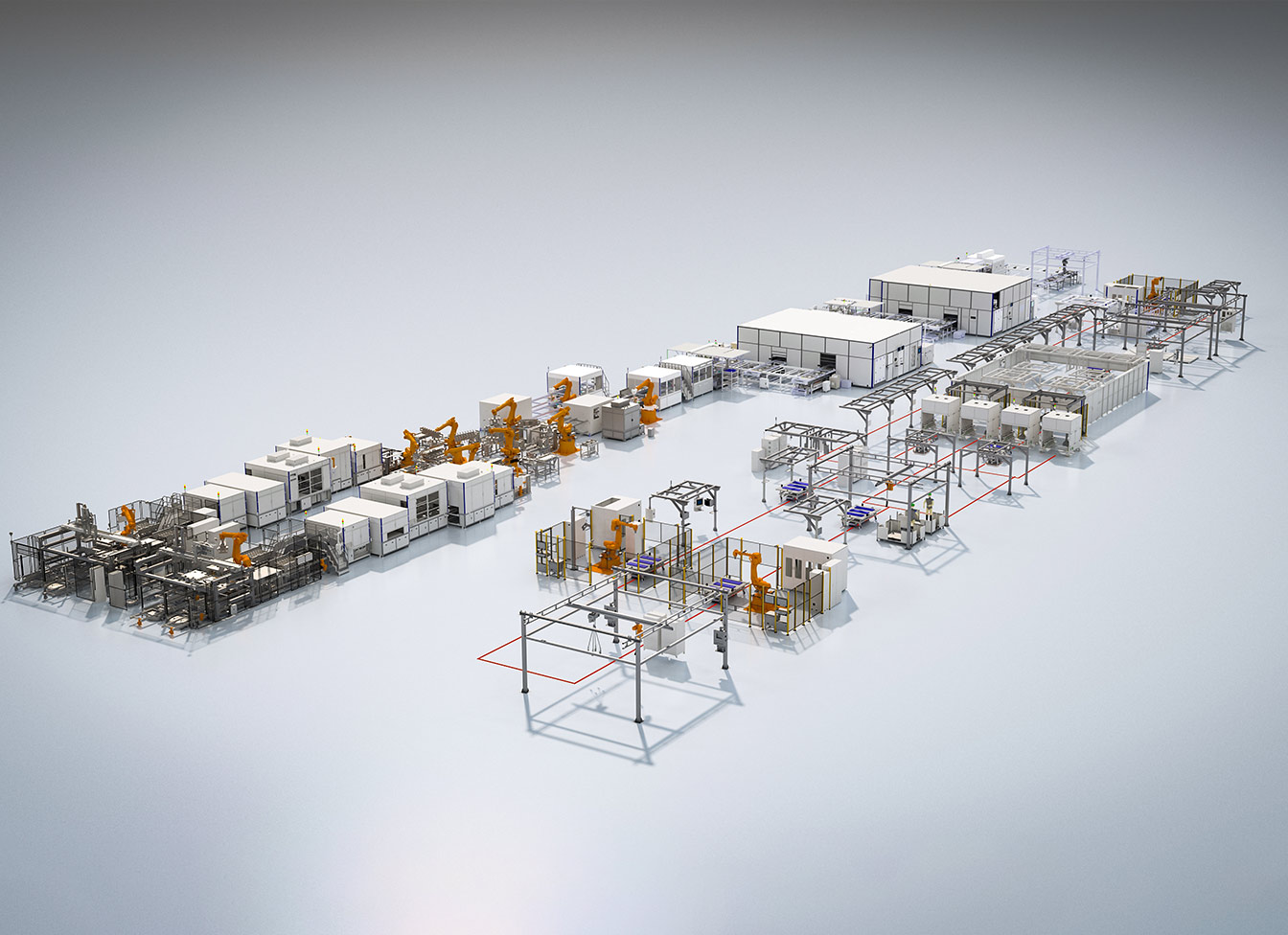
– Sketch the actual flow: module arrival, buffering, transfer, orientation, test, packaging. Mark critical timing windows.
– Favor short, modular conveyor sections that let you swap an offending zone quickly.
– Provide local buffering ahead of high-variance stations to prevent starvation or pile-up.
Controls and intelligence—what to automate and how
– Use servo-driven transfers for precise indexing and gentle handling; avoid brute-force stops for fragile packs.
– Put logic near the point of action: local PLC/IO for safety and fast interlocks, central MES for traceability and recipe distribution.
– Add basic predictive signals: motor current trends, belt slippage alerts, and encoder mismatches to spot problems before they escalate.
Inspection and test integration
– Integrate inline vision for orientation and lid alignment, and torque monitoring on fasteners where applicable.
– Keep test headers and data tags consistent—each pack should carry the same ID through the line.
– Store exceptions separately and route suspect packs to a rework station with documented steps.
Data and traceability that actually helps
– Capture minimal, useful data: timestamped station pass/fail, serial ID, sensor faults, and cycle time per station.
– Make alerts actionable: prioritize alarms that cause line stops or affect safety, and log them with a short cause code.
– Use dashboards that operators and engineers both read—same data, different views.
Safety, redundancy, and maintainability
– Design fail-safe stops and clear e-stops that don’t scramble data or lose traceability when pressed.
– Specify spare modules: belts, drives, emergency stops, a spare motor controller. Measure mean time to repair and target swaps under 30–60 minutes.
– Document a clear lockout/tagout and quick-test procedure for every major section.

Choosing partners and components
– Ask vendors for real uptime numbers and three recent references that run battery pack work cells.
– Evaluate controls vendors by how they handle firmware updates and version control—not just by price.
– Prefer suppliers who support staged commissioning: dry run, powered dry run, and full-power commissioning with your team present.
Common pitfalls to avoid
– Over-automation: too many bespoke mechanisms that are hard to debug.
– Leaving inspection to a single station—distribute simple checks to reduce rework.
– Ignoring human factors: tightened access panels, awkward lifts, and unclear alerts add daily friction that kills throughput.
Quick implementation checklist (use this on site)
– Validate handoff points with a physical mockup.
– Confirm electrical and network wiring routes before mounting panels.
– Run a timed single-module pass to set baseline cycle time.
– Enable and log all sensors, then run 50 cycles and review faults.
– Train operators on a scripted failure scenario and a scripted recovery.
Wrap-up: what full alignment looks like
When layout, controls, inspection, and human needs match, the conveyor acts like a predictable teammate rather than a mystery problem. That alignment comes from practical tests, tight vendor collaboration, and the kind of traceable data you can act on — the sort of results partners such as FHS aim to help teams produce quietly and reliably.