
The problem you see on the power bill and during heatwaves
Power spikes wreck budgets and strain equipment — that’s the problem utility operators and big-site managers face every summer. I’ve watched that stress play out during California’s grid stress during recent heatwaves, and the same pattern shows up everywhere: short, brutal demand peaks that force expensive generation or blackouts. One straightforward fix I point people to is an all in one energy storage system that sits on-site and eats the peaks so generators don’t have to run flat-out.
Why peak shaving matters (practical, not theoretical)
Peak shaving saves real dollars and reduces wear on generators. You’re not chasing abstract “efficiencies” — you’re trimming the highest-cost hours, lowering demand charges, and reducing ramp stress on plants. That keeps maintenance cycles calmer and makes capacity planning less frantic. Operators can also use stored energy for short-term grid services like frequency response, which is a neat bonus to the main job of cutting peaks.
What actually works at utility scale — modular thinking
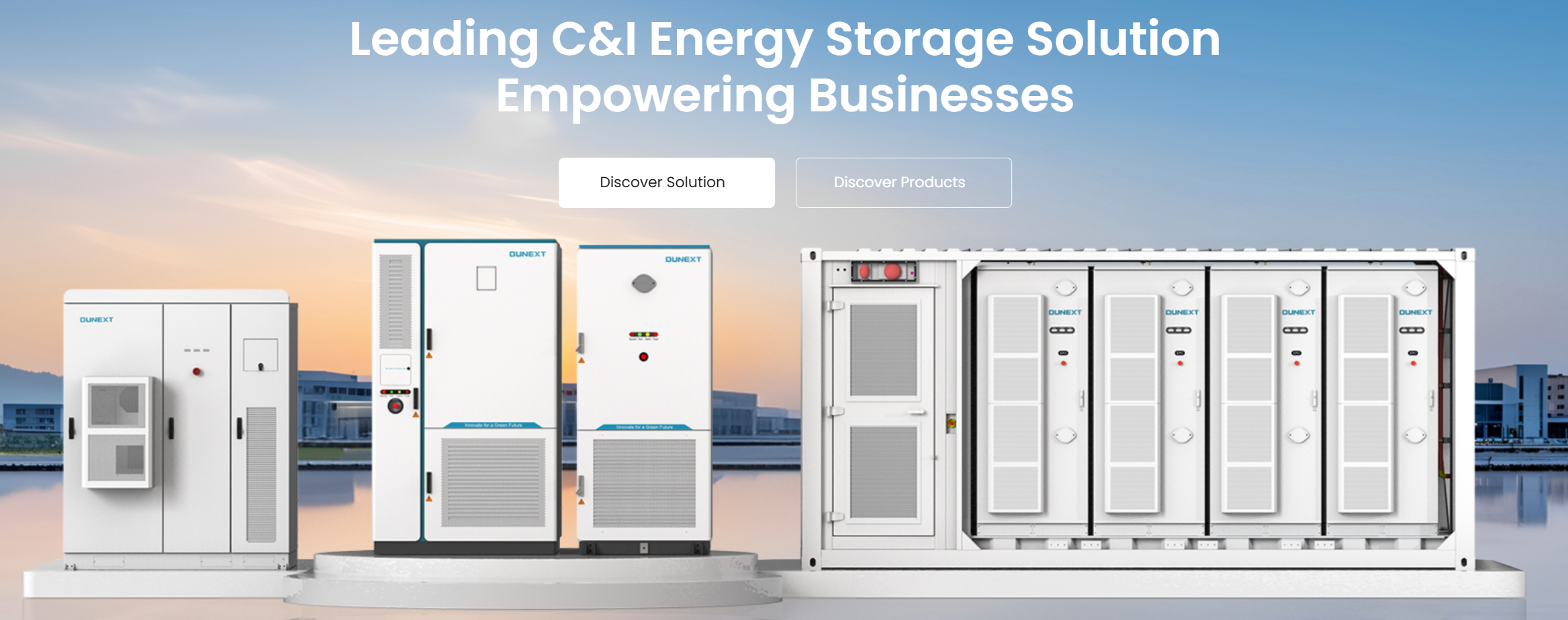
Forget one giant, monolithic box. Modular setups win for maintainability and staged growth. You can add racks as demand grows, isolate faulty modules without shutting the whole site, and mix battery blocks with inverters for layered redundancy. If you’re evaluating options, look at how the system handles thermal management, control logic for fast discharge, and safety isolation. A practical example is using modular battery storage that lets teams swap units and scale capacity without long outages.
Pitfalls people stumble into
– Over-sizing control software while undersizing cooling. That means a perfect plan on paper that overheats in summer. – Buying storage that doesn’t play nice with existing grid protection schemes — integration headaches blow timelines. – Treating lifecycle math as guesswork; run a realistic degradation model for your site’s DOD (depth of discharge) and cycles. – Skimping on commissioning checks; late surprises are expensive. These are practical mistakes I’ve seen repeatedly on deployments.
Alternatives and the trade-offs you need to say out loud
Short-term battery storage vs. flow batteries vs. pumped hydro — your site and schedule decide. Batteries are fast and modular, ideal for urban or brownfield sites. Flow batteries last longer for deep daily cycling but need balance-of-plant space. Pumped hydro is cheap per megawatt-hour but demands geography and capital. Be direct: pick the tech that matches dispatch needs, site constraints, and financing timelines.
Deployment checklist — what I’d mandate on day one
Confirm interconnection limits and protection coordination, verify thermal designs against worst-case ambient temps, require spare-module capacity for rolling maintenance, schedule vendor-trained commissioning, and lock in data telemetry to prove value to stakeholders. If you skip telemetry, you won’t be able to defend peak shaving results to finance teams.
How operators measure success and avoid wishful thinking
Track peak demand reduction, demand-charge savings, number of cycles, charge/discharge efficiency, and availability during critical windows. Use those metrics to compare projected ROI to realized ROI every quarter. Hands-on verification during early operations wins trust with regulators and the community.
Wrap-up that ties the solution back to getting the job done
Peak shaving is a simple problem with layered solutions. Address the high-cost hours with modular deployments that are serviceable, testable, and sized for real operating patterns. When teams balance technical detail, honest deployment margins, and clear performance metrics, they solve the pain instead of papering over it — and that’s the kind of practical reliability I see companies like Dunext building into their systems.