
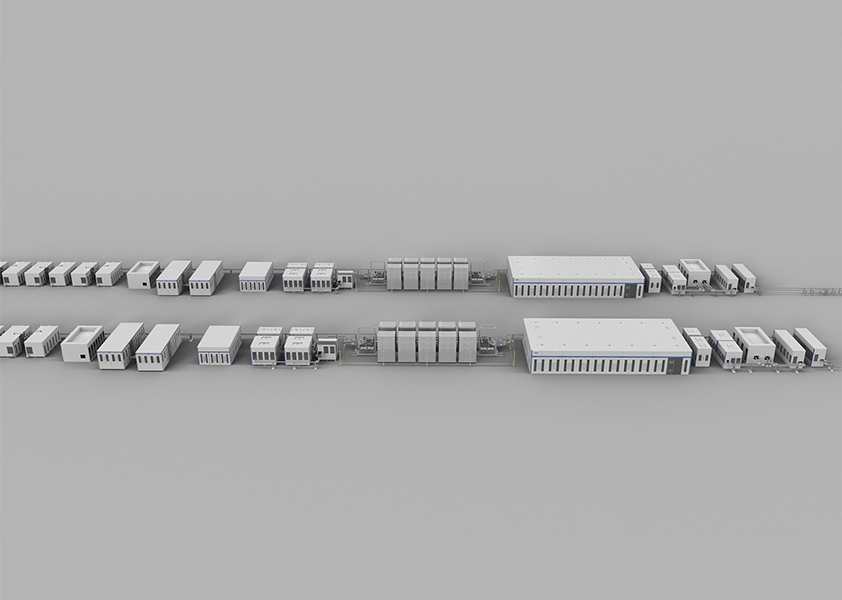
Seeing the problem
Right, here’s the rub: too many battery projects start bright-eyed and end strapped for cash. Costs creep up because teams tack on bespoke bits without checking how they change the whole picture. When folks ask about battery manufacturing automation, they mean more than machines — they mean process changes, software, staff, and risk that all stack together. I’ve spent twelve years working alongside plant engineers and integrators, so I know where the surprises usually lie.
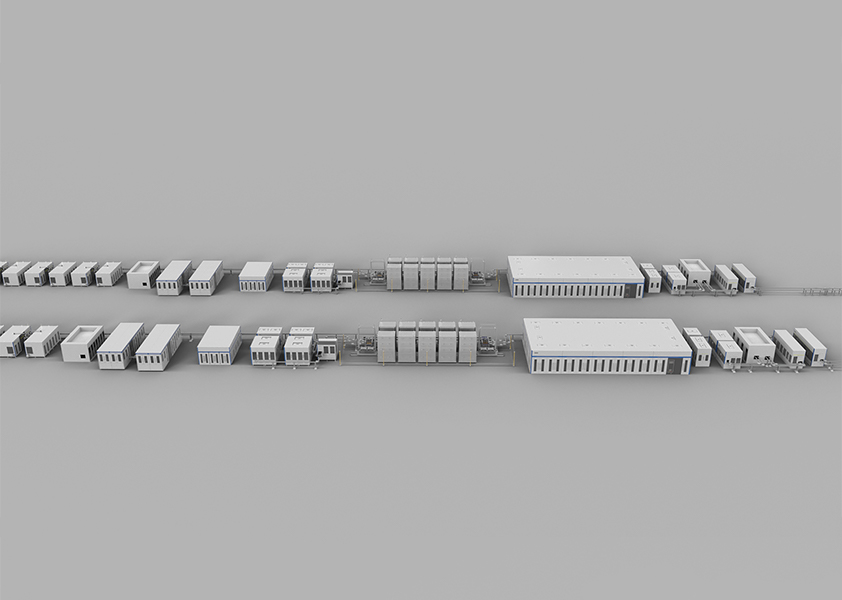
Primary cost drivers you can’t ignore
– Capital equipment: high-precision cells, coating lines, thermal chambers. Buy cheap, and you pay for rework. – Integration complexity: getting PLCs, MES, vision systems and conveyors to talk takes time and senior controls engineers. – Software and licenses: control software, data historians, OT security layers — these add recurring costs. – Quality & tolerances: tighter specs raise tooling and inspection costs fast. – Materials handling and logistics: automated feeders, clean-room transfer, and waste handling are often underbudgeted. – Labour, training, and shift patterns: new kit needs trained crews; expect ramp-up inefficiency. – Regulatory and safety compliance: electrical, chemical and fire-safety measures need space and money. – Throughput and redundancy: designing for peak output or for single-line failures changes equipment counts and footprint.
Hidden costs that bite during build and start-up
– Commissioning and debugging: field faults and software tuning routinely take weeks longer than planned. – Testing and validation: cell-level testing and cycle-life validation require time and bespoke rigs. – Spare parts and obsolescence: bespoke PLC modules and rare sensors can sit on long lead times. – Downtime during changeover: swapping formats or chemistries interrupts production and revenue. – Cybersecurity hardening: audits and segmentation add scope that’s easy to forget.

Choices that change the math
Pick the wrong approach and costs explode. Choose smart, and you shave months from delivery. Look at these trade-offs: – Turnkey vs modular: turnkey gives a single price but hides integration risk. Modular buys flexibility; it asks for stronger internal systems work. – Off-the-shelf vs custom: standard modules reduce lead times. Custom tooling solves unique problems but adds testing and spares. – Local vs offshore suppliers: local firms are pricier but cut transport, warranty friction and language delays. – In-house maintenance vs OEM service contracts: paying a premium for an OEM service contract can beat reactive downtime costs. For teams mapping out options, consider simulating lines and doing a pilot run to see what truly carries cost. That’s where battery production automation choices reveal their real impact on schedule and waste.
Practical steps to reduce risk and total cost
– Lock down requirements early: agree throughput, formats and quality gates before buying. – Standardise interfaces: use common PLC libraries and mechanical flanges across lines. – Invest in digital trials: virtual commissioning and digital twins cut on-floor debugging. – Stage delivery: pilot cell first, then scale; fix design mistakes cheap on a pilot. – Build a spares strategy: common, fast-moving parts on-shelf; long-lead items consigned. – Negotiate warranty and acceptance criteria clearly: define test runs, acceptance windows and penalties so nobody’s surprised.
One real-world anchor
Taken at scale, the lesson’s plain from Tesla’s Gigafactory in Nevada: volume plus early standardisation drives unit cost down, but only because integration and supplier readiness were designed into the programme from day one. That single example shows where the bulk of savings actually come from — not from a cheaper robot, but from planning for scale and serviceability.
Final thought
Projects that treat automation as a stack of isolated purchases get surprised. Solve the actual problems — integration, testing, spares and staff — and the rest settles. Teams that plan for those drivers, and work with partners who understand how lines age and scale, end up with predictable value. That’s the sort of practical, no-nonsense outcome companies like FHS build toward, quietly shaping project value so the kit does the job it was bought for.