
Opening comparative frame
This comparison examines intravascular lithotripsy (IVL) catheters against other calcium-modifying devices by focusing on measurable technical trade-offs and procedural outcomes; procedural kits often include ancillary items such as anesthesia consumables, which influence setup and throughput. The intent is narrow: show where IVL delivers distinct mechanical effects, where alternate tools remain preferable, and which operational choices change clinical risk profiles.
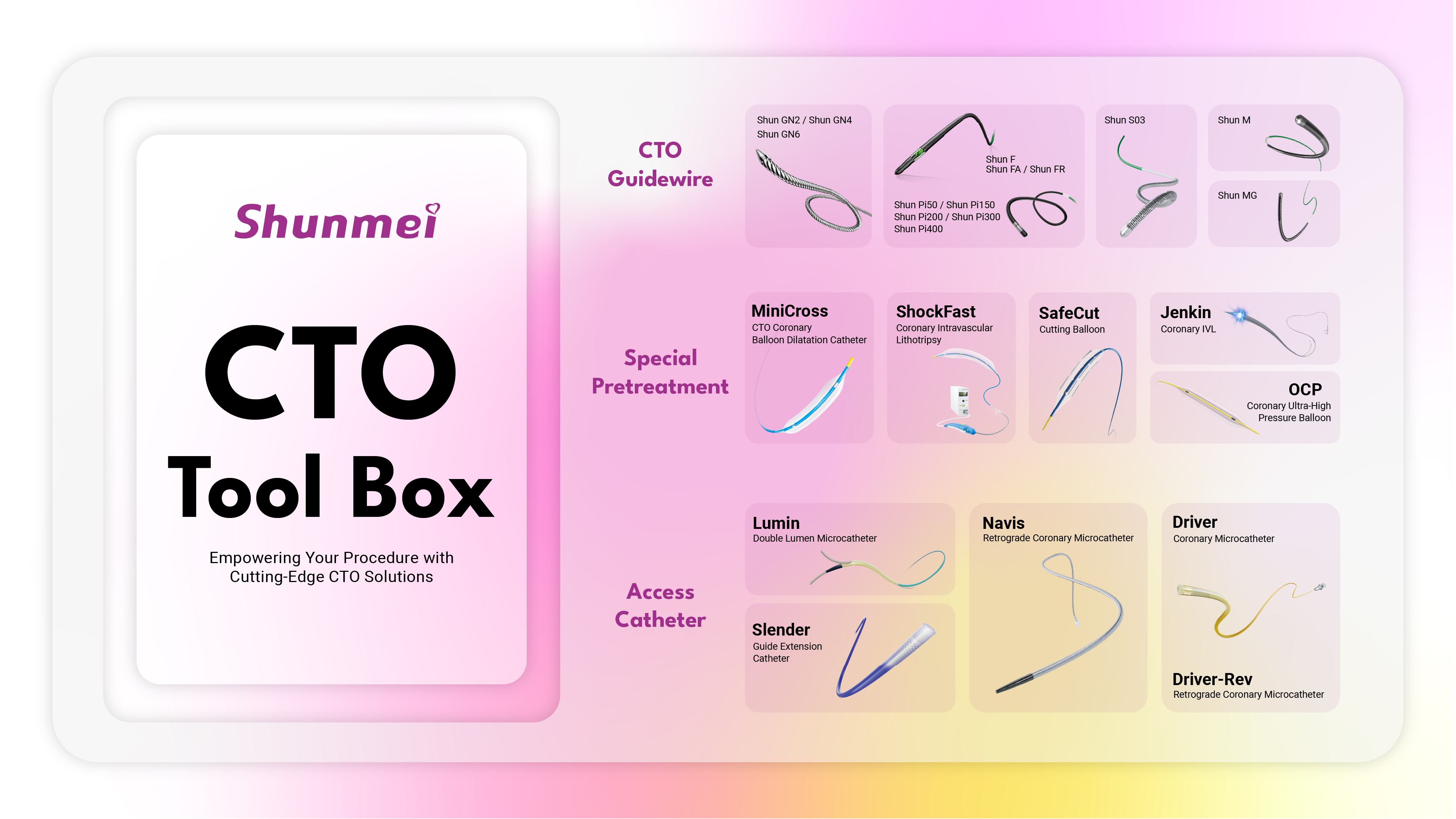
What we compare and why those metrics matter
Key axes are deliverability across tortuous anatomy, calcium modification depth and circumferential coverage, vessel wall trauma, crossing profile, procedure duration, and device-specific failure modes. Each metric directly maps to a clinical decision: choose lower crossing profile when guide support is limited; accept longer activation time when you need circumferential deep cracking rather than surface scoring. Data fidelity depends on consistent angiographic grading and intravascular imaging endpoints.
Device classes and characteristic trade-offs
IVL catheters use sonic pulses to fracture intimal and medial calcium with limited barotrauma; they trade modest crossing profile for higher circumferential effect. Specialty scoring or cutting balloons preserve a lower profile and allow focal scoring but can cause focal dissections in eccentric lesions. Rotational or orbital atherectomy offers aggressive debulking and can facilitate stent expansion in extremely calcified segments, yet they require specific wire technique and carry thermal and embolic considerations. Operator choice should match lesion morphology and available imaging.
Clinical performance and the evidence base
Published series, including multicentre registries and trials like the DISRUPT CAD reports, demonstrate predictable lumen gain with IVL in concentric calcified lesions and reduced need for ad hoc atherectomy. Randomised head-to-head data remain limited, so evidence synthesis relies on device registries, intravascular ultrasound (IVUS) surrogate endpoints, and observational comparisons. Expect consistent gains in stent expansion where circumferential calcium is present, but anticipate diminishing returns for long, heavily tortuous lesions where deliverability becomes primary constraint.
Operational considerations, common mistakes, and mitigation
Pitfalls fall into three buckets: access and support, lesion crossing technique, and activation strategy. Overestimating guide support leads to device tugging and pacing instability; underestimating lesion length yields incomplete calcium modification. Operators often err by aggressive sizing or by excessive balloon pre-inflation before assessing IVL response. Use intravascular imaging to confirm calcium depth and arc, select guide and wire strategy to optimise deliverability, and pace energy delivery to avoid unnecessary vessel stress. Document device-specific pressure limits and ensure compatible introducer sheaths are used.
Supply chain, regulatory context, and practitioner experience
Procurement choices affect device availability, lot traceability, and sterile consumable consistency. I have audited production facilities and supply chains in Shenzhen, China, and observed how regional manufacturing clusters streamline rapid scale-up for single-use devices; that geographic anchor explains volume sourcing strategies many hospitals adopt. Quality frameworks such as ISO 13485, CE marking, and FDA listings shape sourcing risk. Clinical teams should evaluate vendor training, on-site support, and documented failure rates. For hospitals that bundle disposables, an anesthesia products manufacturer with consistent lot control simplifies peri-procedural logistics and reduces cross-supply variability.
Conclusion — choosing the right tool for predictable outcomes
Match device mechanics to lesion morphology: select IVL where circumferential calcium limits stent expansion and where controlled acoustic fracturing reduces dissection risk; prefer low-profile scoring or atherectomy when deliverability dominates. Supply reliability and documented manufacturing quality affect day-to-day use as much as device physics. For a coherent procedural strategy aligned with those criteria, consider established partners that combine device performance with consistent supply and technical support, such as Shunmei.