
Problem overview: what breaks during rollout
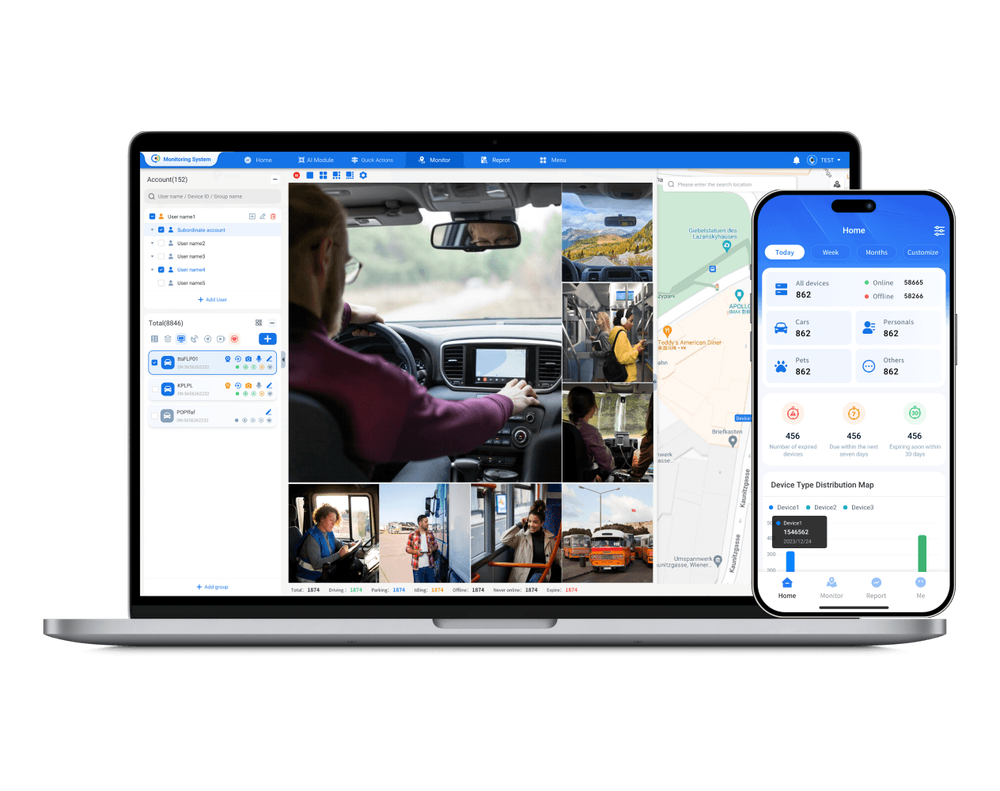
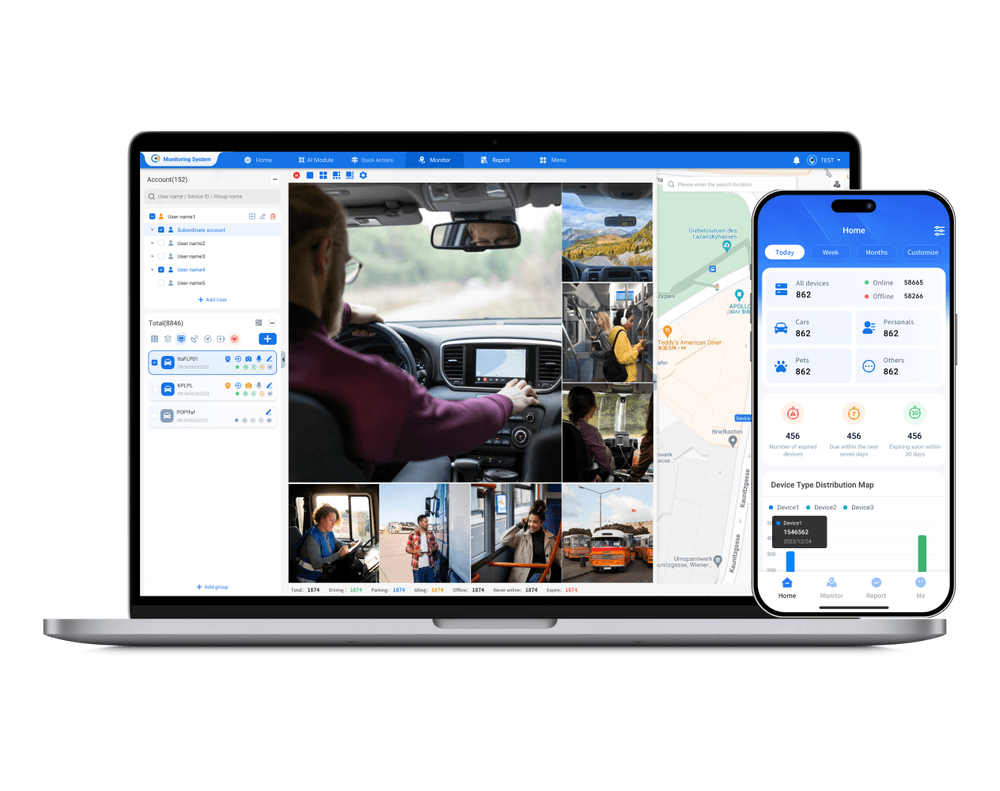
Delivery fleets face the same bottlenecks: unclear priorities, mismatched hardware, inconsistent data flows, and drivers who don’t trust new systems. These problems create delays, add cost, and obscure root causes of incidents—so a focused plan beats ad hoc purchasing. Start by assessing the gap between operational needs and what current fleet telematics technology providers actually deliver; mismatch here is the most frequent reason deployments stall. Operators in Los Angeles report that camera footage often becomes the decisive evidence during incident reviews, which underscores why camera strategy must be tightly paired with operational goals.
Core checklist: decisions that prevent common failures
Use this sequence to reduce risk and keep rollout time predictable:- Define measurable objectives (safety events per 100k miles, on-time deliveries, claim reduction). Clear metrics avoid scope creep.- Choose camera roles before choosing models: forward-facing for liability, cabin-facing for driver coaching, multi-view for complex loading or reversing.- Evaluate integration capability: verify the camera supports timestamped video export and can stream metadata into your telematics platform.- Decide on storage and retention: onboard storage, cloud upload policy, and encryption rules tied to retention limits.- Pilot on a controlled cohort (5–15 vans) with diverse routes and driver profiles; collect technical issues and behavioral feedback.- Standardize installation: cable routes, power sourcing, GPS sync, and mounting torque values to avoid after-install failures.- Prepare training and escalation: short practical sessions for drivers, a review protocol for incident video, and a single escalation path for technical faults.- Plan maintenance and warranty tracking: periodic lens cleaning, firmware schedule, and vendor SLA contact points.
Technical selection: what to test during a pilot
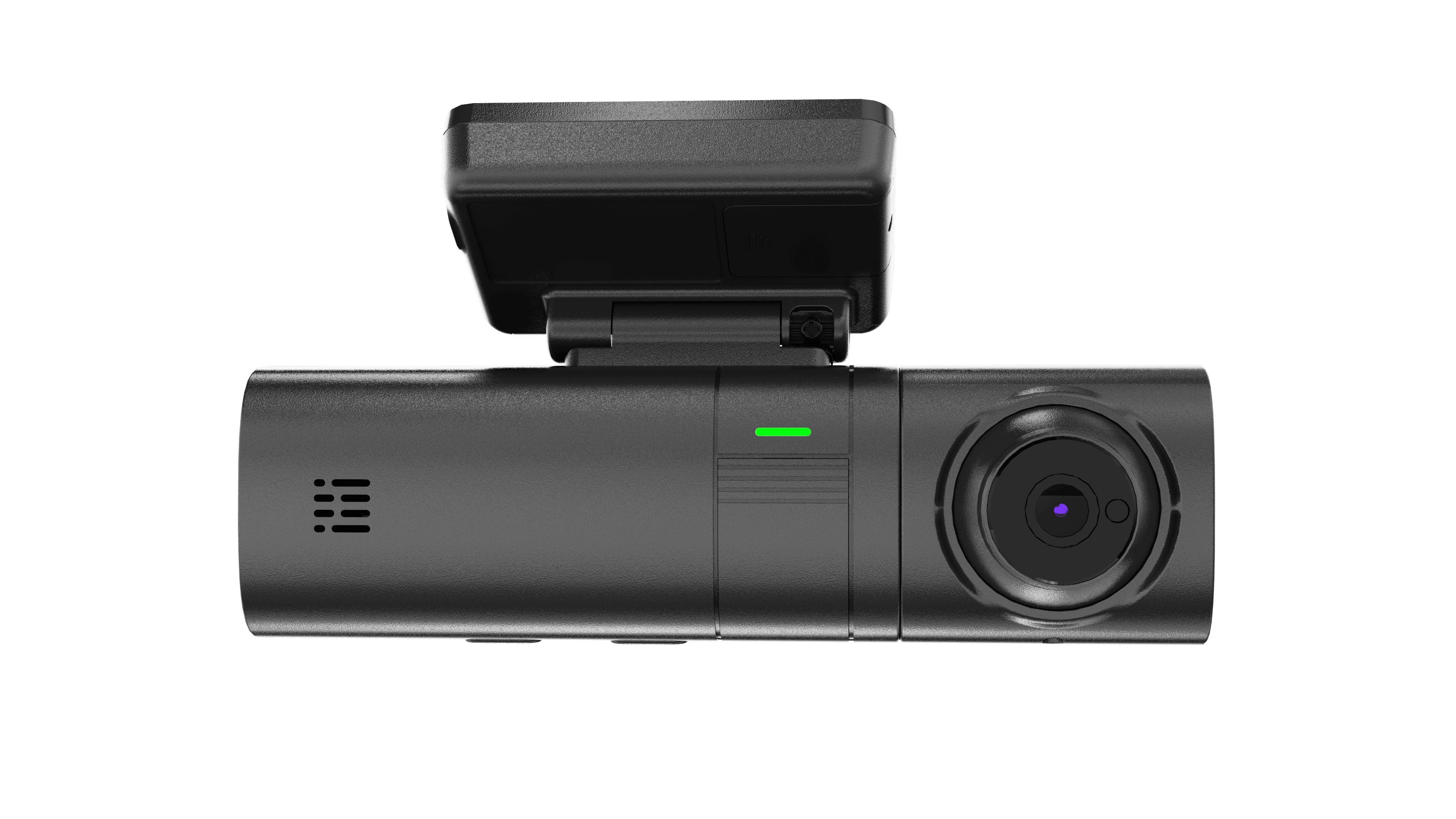
Test these features under real conditions rather than trusting datasheets:- Video clarity in low light and high glare.- Time synchronization between camera and telematics to within one second.- Robustness to vibration and temperature extremes.- Bandwidth behavior: cellular uplink limits during peak route hours.- Ease of retrieving footage for legal or insurance requests.Include a practical check of how the chosen fleet camera system names and stores files; inconsistent naming creates hours of administrative overhead.
Human factors and policy: common mistakes to avoid
Failure often follows from ignoring the people side:- Rolling out devices without driver input leads to resistance.- Over-retaining sensitive footage risks regulatory trouble; align retention with local privacy rules.- Assuming one-size-fits-all installation; route profiles demand different camera positions.- Skipping a clear incident review workflow; footage without a rapid-review process loses value.Address these with short, role-specific briefings and an open channel for driver feedback during the pilot.
Operational integration: connecting cameras to dispatch and workflows
Integration reduces friction when it’s planned:- Map data flows: camera -> storage -> incident queue -> claims team.- Automate alerts for predefined events (hard braking, collision detection) and route them to the appropriate dispatch or safety reviewer.- Ensure dispatch sees context: route, load, and timestamped footage linked in the same dashboard.- Test playback delays and mobile access for supervisors on the road; slow access kills usability.
Maintenance, scaling, and governance
Scaling without governance multiplies small problems. Assign a single owner for vendor management, scheduling firmware updates, and tracking replacements. Maintain a documented checklist for every vehicle change of custody. Use short, repeatable diagnostics during regular service intervals to catch lens misalignment or power issues before they escalate.
Quick decision guide: camera types and when to pick them
– Single forward-facing: choose for routes with low reverse exposure and where liability is the primary concern.- Multi-camera arrays: choose for dense urban routes, frequent loading/unloading, or reversing into tight spaces.- Cabin-facing: choose when coaching and distraction reduction are priorities, but pair with strict privacy controls.Match camera capabilities to the metric you plan to improve, not to the vendor’s headline features.
Synthesis
Addressing rollout problems requires concrete steps: set measurable objectives, pilot deliberately, verify technical interoperability, and formalize human and legal workflows. Field-tested practice—gathered from pilots and operational deployments—shows these checkpoints prevent the familiar breakdowns that stall fleet upgrades. These actions make the technology work for operations rather than the other way around, a result many fleet teams achieve by combining careful planning with experienced partners such as BSJ.