
Comparative overview
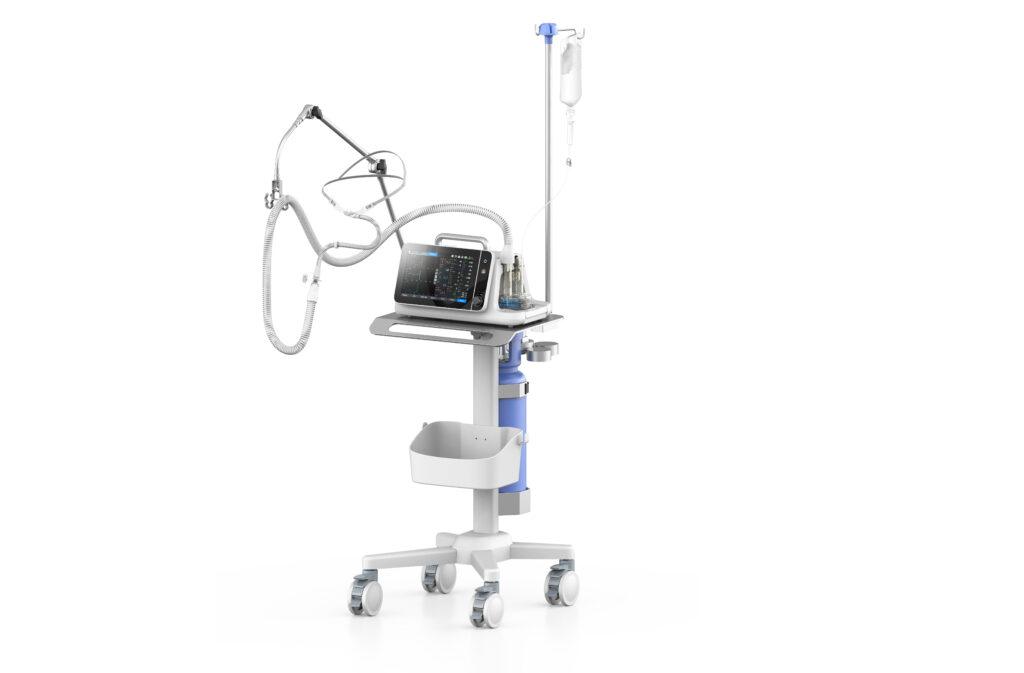
Different hospitals buy for different needs; some want sheer simplicity, others demand nuanced controls. This comparative piece sorts those choices for clinicians and procurement teams, weighing bedside realities against device specifications. Early on: consider how a modern medical ventilator differs from a focused BiPAP in workflow, staffing and patient tolerance—non-invasive ventilation still lives in that middle ground between ward-level support and full invasive ventilation.
Framework for comparison
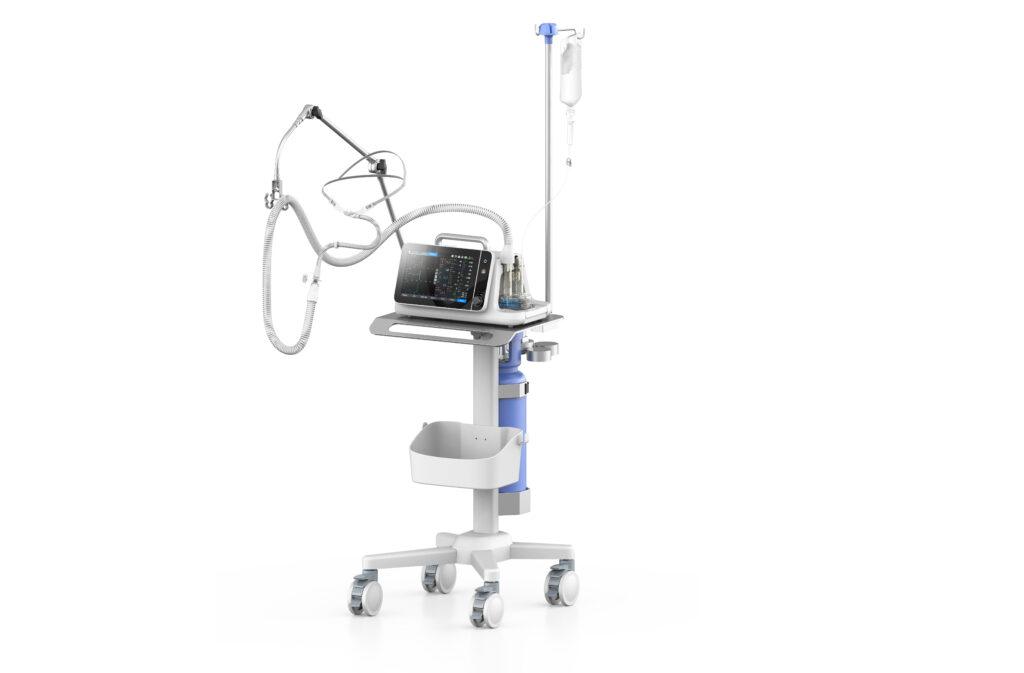
Compare on three axes: respiratory support quality, ease of use, and integration with clinical systems. For respiratory support quality, look at pressure support curves, leak compensation, and measured tidal volume accuracy. Ease of use covers setup time, mask interface options and alarm clarity. Integration asks for electronic chart export, DICOM/RIS-like tagging for respiratory episodes, and remote monitoring capability. These axes make the trade-offs visible: a compact bedside BiPAP often wins on speed; a feature-rich niv respiratory machine may win on data fidelity.
Clinical performance and workflow implications
From a clinical standpoint, the measured difference is patient comfort and time-to-stabilisation. Devices with advanced flow sensor algorithms reduce asynchrony and improve oxygenation without raising FiO2 excessively. In practice, that means fewer escalations to invasive ventilation, which was painfully evident during the 2020 COVID-19 surge in Lombardy when ICU capacity strained and non-invasive devices had to shoulder tremendous load. Choose machines that report leak rates and provide consistent pressure support—those metrics map directly to nursing workload and sedation needs.
Common mistakes and practical alternatives
Teams often prioritize sticker price over lifecycle cost. That is a mistake: consumables, service intervals, and software updates shape total cost. Equally common is underestimating interface fit; a perfectly specified unit fails if the mask produces leaks. Alternatives include CPAP-first protocols for hypoxaemic patients where tolerant, or hybrid strategies that cycle between mask-based NIV and high-flow nasal therapy—each pathway requires different monitoring approaches and staff training. A succinct procurement checklist: device uptime, availability of replacement parts, and training hours included.
Benchmarks and technical considerations
When you read a spec sheet, translate numbers into clinical actions. A declared peak inspiratory flow tells you how well the device will cope with acute dyspnea. Flow sensors and leak compensation algorithms matter when patients talk, cough or eat. Verify alarm thresholds are configurable to local protocols. Also check whether the unit logs discrete epochs of non-invasive ventilation for audit—useful for quality improvement and for defending clinical decisions in morbidity reviews.
Case comparison — bedside versus integrated NIV platform
Simple bedside BiPAP: fast setup, low footprint, limited analytics. Integrated NIV platform: richer telemetry, higher cost, steeper learning curve. Which one fits a 20-bed step-down unit versus a tertiary ICU? The step-down unit will benefit from simplicity and mask-sparing strategies; the tertiary ICU will require granular pressure waveforms and exportable logs. Both must support non-invasive ventilation modes that clinicians recognise and can titrate.

Advisory: three golden rules for selecting NIV and BiPAP solutions
1) Prioritise measurable clinical outcomes: select devices proven to reduce escalation to invasive ventilation or shorten length of stay in comparable settings. Look for published cohort data or registry outcomes when possible.
2) Insist on operational fit: ensure compatibility with existing nurse-to-patient ratios, that consumables are locally available, and that the supplier offers clear firmware update policies and training hours bundled with purchase.
3) Validate real-world performance: run short pilot deployments to measure alarm fatigue, true uptime, and patient-reported comfort. Use those pilot metrics to inform scale decisions—don’t rely solely on lab numbers.
These rules steer you from feature lists to field performance. The work of matching devices to wards is detailed, sometimes patient-by-patient, and that precision is precisely where a partner like Byond adds value—evaluating devices against local workflow, training needs, and supply chains. — Reflect, then act; the right device becomes a quiet ally at the bedside.