
Introduction: The Waste Dilemma
Imagine walking through a bustling city, enveloped in the sights and sounds of daily life. But then, you spot a trash bin overflowing, an unpleasant scene that practically screams for attention. Recent studies show that cities with inefficient waste collection methods can waste up to 40% of their budget on unnecessary pickups. Enter the smart bin sensor—an innovative solution designed to enhance waste management systems. Its advanced capabilities can significantly ease the daily challenges faced by municipalities and residents alike (a real game-changer, right?).
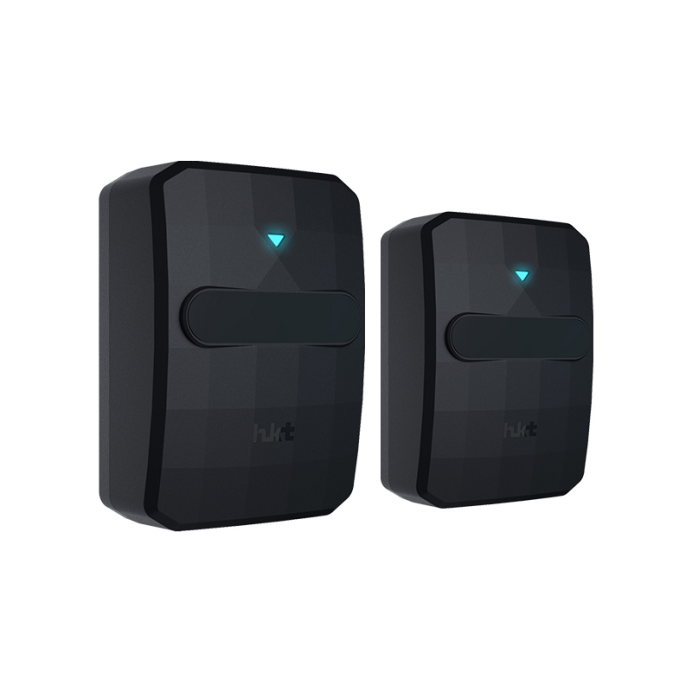
The question remains: why do we still rely on outdated methods when technology offers so much? This exploration digs deeper into the world of trash bin sensor module to help uncover what is often overlooked—inefficiencies just waiting to be addressed.
The Flaws of Traditional Waste Management
Let’s take a closer look at traditional waste management solutions. Most systems operate on a set schedule, regardless of whether bins are full or empty. This leads to several pressing issues, such as increased operational costs and unnecessary emissions from garbage trucks that drive around without purpose. Even more concerning is the environmental impact; overflowing bins can cause litter and attract pests, compounding the issue further. Look, it’s simpler than you think; the solution lies in integrating technology. Smart sensors can provide real-time data, thereby optimizing collection routes and minimizing costs.
But that’s not all—these sensors rely on advanced technologies like edge computing nodes. By processing data locally, they ensure quicker response times and reduce the load on centralized systems. It’s a tidy solution that functions seamlessly, reminiscent of how a well-oiled machine operates, each part meticulously designed to work together. A trash bin sensor module can change waste collection from a guessing game into a precise operation. So, what does the future hold for such innovations?
What’s Next: Future Impacts of Ultrasonic Bin Sensors
As we look toward the horizon, the prospects for smart waste management bode well. With ongoing advancements, Ultrasonic Bin Sensors allow municipalities not just to monitor waste levels but also to predict trends based on collected data. A pertinent case example is cities in Scandinavia, which have already begun implementing these technologies. The insight gained leads to better planning of resource allocation, which translates into reduced operational costs and improved environmental stewardship.
In the future, we can expect integration with AI-driven platforms that will analyze historical data and optimize routes continuously. This not only enhances efficiency but also contributes to sustainability efforts as the ecological footprint shrinks significantly. Consider cities adopting comprehensive waste management systems that utilize connected Ultrasonic Bin Sensors that make data-driven decisions for efficient pickups, ensuring no part of the city is neglected.
Key Insights for Choosing Smart Waste Solutions
In conclusion, the journey toward smarter waste management solutions greatly improves efficiency and reduces environmental impacts. Three key evaluation metrics stand out when choosing a waste management solution: first, consider the data accuracy and responsiveness of sensors; second, look into the environmental benefits, such as reduced emissions; third, evaluate cost-effectiveness—ensuring you are maximizing your budget effectively. Investing thoughtfully in innovations such as the HKT LORA platform can lead to considerable long-term benefits. The future is now; let’s embrace it with an open mind, paving the way for greener cities.