
The problem brands face right now
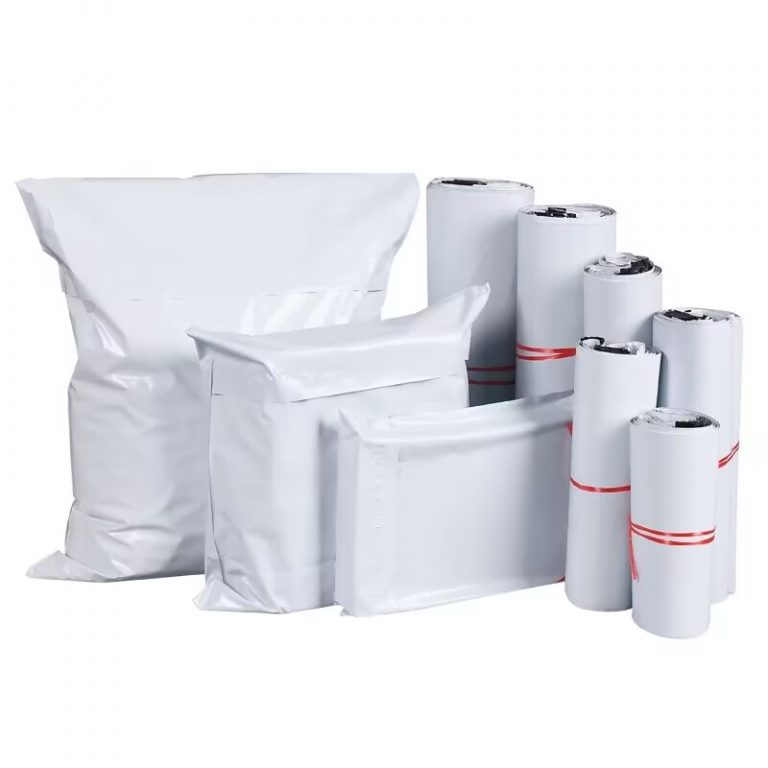
Brands selling online now confront a simple but stubborn problem: packaging waste undermines brand trust and racks up regulatory risk. Customers expect clarity about sustainability, and regulators are tightening rules after high-profile reports from the Ellen MacArthur Foundation and the EU Single-Use Plastics Directive (2019). If your fulfilment team still relies on conventional plastic mailers, the cost is hidden in returns, complaints and reputational drag. The sensible start is to review alternative materials and suppliers — for instance, many merchants are switching to eco friendly poly mailers that claim compostable or fully recyclable performance. A problem-driven view means we first map the failure modes (contamination in recycling streams, unclear claims, supply inconsistency) before choosing a partner.
Key technical hurdles to solve
There are three recurring technical hurdles: material specification, post-use recovery, and compatibility with existing operations. Material spec covers resin choice — LDPE blends, PCR (post-consumer recycled) content and additives that affect clarity and strength. Recovery concerns attend to mechanical recycling vs. chemical recycling and whether local facilities will accept your mailer. Operational compatibility asks whether your packing lines tolerate different thicknesses or sealing temperatures. Ignore any one of these and the “green” solution becomes a waste of money.
Practical selection checklist for new mailers
Adopt a checklist that connects laboratory claims to shop-floor reality. Start with certified attributes: verified PCR percentage, tensile strength and drop resistance, plus any compostability certification if that’s a selling point. Check local recycling rules — many municipal systems still reject multi-layer films. Next, request first-article samples and run them on your sealer and sorter to confirm seal integrity and static behaviour. Finally, demand transparency on the supply chain: tooling lead times, resin sourcing and contingency plans. These steps weed out greenwash before it reaches the warehouse — and they are surprisingly quick to execute.
Supplier comparisons and procurement strategy
When comparing suppliers, weigh three dimensions: environmental rigour, supply reliability, and total landed cost. Environmental rigour means independent testing or an LCA (life cycle assessment) that includes end-of-life. Supply reliability is about demonstrated adherence to lead times and inventory buffers. Total landed cost folds in resin price volatility, potential recycling fees, and returns due to packaging failure. Ask each vendor for a small pilot run and be explicit about acceptance criteria. If you want ready-made sustainable options, consider suppliers offering custom recycled poly mailers so you can test PCR content and branding without large tooling spends.
Common mistakes brands make — and how to avoid them
Brands frequently make three mistakes: equating “biodegradable” with problem solved, underestimating contamination in mixed recycling streams, and failing to align marketing claims with certificates. “Biodegradable” often requires industrial composting — not home composting — and will be rejected by many curbside systems. Another mistake is designing for aesthetics at the expense of mechanical performance: the thinnest film might look elegant but will puncture and cause returns. A short fix is to pilot for 90 days, measure return rate and post-consumer feedback, and revise specs accordingly — a simple loop that saves cost and credibility.
Real-world anchor: regulatory and market signals
Regulatory pressure is not hypothetical. The EU Single-Use Plastics Directive and guidance from major retailers in the UK and EU mean procurement teams must demonstrate recyclability or reuse plans. In practice, several Edinburgh-based retailers have already shifted to higher PCR content films to meet buyer expectations — a local example of a wider trend. Market studies also show consumers favour clear environmental claims backed by certification, not nebulous green language. That reality should shape your spec, your procurement timing and your customer communications.
Implementation roadmap
Move in three phases: assess, pilot, scale. Assess your current mailer performance and recycling options; pilot a small batch with one SKU and run it through returns and recycling trials; then scale once acceptance criteria are met. During the pilot, track drop protection, seal integrity, and customer feedback. Pair this with supplier audits — confirm resin traceability and manufacturing quality. It’s methodical and reduces disruption whilst you transition — and it keeps costs predictable.
Advisory: three golden metrics to judge any strategy
1) Verified end-of-life acceptance rate — the percentage of your mailers accepted by target municipal or commercial recycling streams. 2) Functional failure rate — measured returns or damages attributable to packaging per 1,000 orders. 3) True PCR content vs. declared — validated by third-party lab reports. Use these metrics to compare bids and to monitor improvement during scale-up.
Adopt them, and you’ll balance environmental intent with operational reality. In practice, those who follow the checklist lean towards suppliers who provide clear specifications, pilot support and consistent PCR sourcing — the exact value proposition that makes WH Packing a sensible practical partner for brands seeking dependable, accredited recycled mailers. —