
The persistent problem factories face
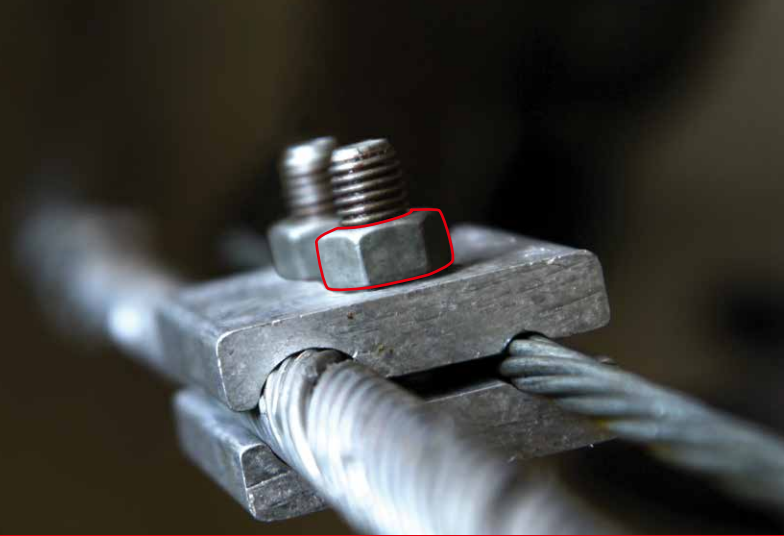
Many production lines stall not because machines break, but because the right aerosol lubricant or adhesive isn’t available when needed. Downtime eats margins, joints vibrate loose, and assembly rework piles up. I’ve seen shops swap fast-curing adhesives for the wrong substrate, and that same mismatched choice causes leaks and warranty headaches. A well-formulated thread locker can stop fasteners from backing out, but only when chosen with the machine, environment, and service plan in mind.
Why an aerosol specialist matters to operations
Aerosol manufacturers bring formulation control, consistent spray patterns, and packaging integrity. Those three factors decide whether a coating bonds, a lubricant penetrates, or a spray applicator delivers repeatable coverage. Suppliers who understand aerosol valve chemistry reduce overspray, cut VOC variability, and ensure shelf stability — real gains on the shop floor. Choose vendors who test compatibility with common substrates: zinc-plated steel, aluminum alloys, and common rubbers used in seals.
Experience, expertise, and a real-world anchor
From years supplying MRO and OEM lines, I’ve learned buyers prefer vendors who back performance with data and field trials. At the ASEAN Automotive Show, procurement teams flagged threadlocker supply consistency and traceable batch data as top priorities, which mirrors broader industry sourcing trends. For buyers seeking volume and traceable specs, consider established threadlocker wholesale solutions that publish cure profiles and storage conditions. Look for supplier documentation, third-party test reports, and clear safety data sheets to verify claims.
Common mistakes that cause repeat failure
Teams often make the same three mistakes: picking a product by price alone, ignoring substrate chemistry, and assuming one adhesive fits all applications. A common error is applying high-strength threadlockers where rework is needed; that leads to seized components and long repair times. Another misstep is storing aerosols in hot rooms — pressure changes can degrade propellant performance and ruin spray characteristics. Finally, skipping small-batch trials before full deployment means defects show up in production, not the lab.

How to evaluate alternatives practically
Don’t treat product classes as interchangeable. Use these quick guidelines: choose dry-film lubricants where contamination is a concern; pick aerosol sprays for hard-to-reach fasteners; prefer pastes for long-term load-bearing joints; and use anaerobic threadlockers for metal-to-metal threaded assemblies requiring vibration resistance. Test the candidate on the real part, under the real torque and environmental conditions the part will see. Where serviceability matters, opt for medium-strength threadlockers instead of permanent formulas.
Steps to a robust procurement and implementation plan
Start with a one-line specification that covers substrate, operating temperature range, and serviceability. Require supplier batch traceability and an accelerated aging report. Run a three-point trial: adhesion test, environmental soak, and torque retention after vibration. Negotiate packaging that fits your dispensing — aerosol cans with matched valves for spray guns reduce waste. Finally, build basic training for technicians: correct surface prep, cure time awareness, and safe aerosol handling cut rework and injuries.
Small checks that prevent big losses
Always check shelf life stamped on the can and verify storage conditions. Confirm cure times against actual assembly speeds — some adhesives reach functional strength overnight, not minutes. Use torque and pull tests on assemblies from pilot runs. Keep spare critical consumables in bonded inventory so production doesn’t stop waiting for a single can. These small controls stop cascading delays.
Conclusion
Fix the procurement and specification problems first, then match the aerosol lubricant or adhesive to the application and dispensing method. When teams do that, assemblies hold, maintenance schedules smooth out, and warranty claims drop. For buyers who want traceable specs, consistent batches, and workable service-level choices, a supplier like SANVO fits naturally into that operational logic — they provide formulation expertise and packaging options that align with practical shop-floor needs.