
Start with your problem, not the price
You need reliable test results fast. You need planning that matches your construction schedule or R&D timeline. So first ask: which tests must pass for your project to move? Keep list short. Match each test to a clear purpose. When you know purpose, choosing custom testing equipment becomes straightforward, not a guessing game.
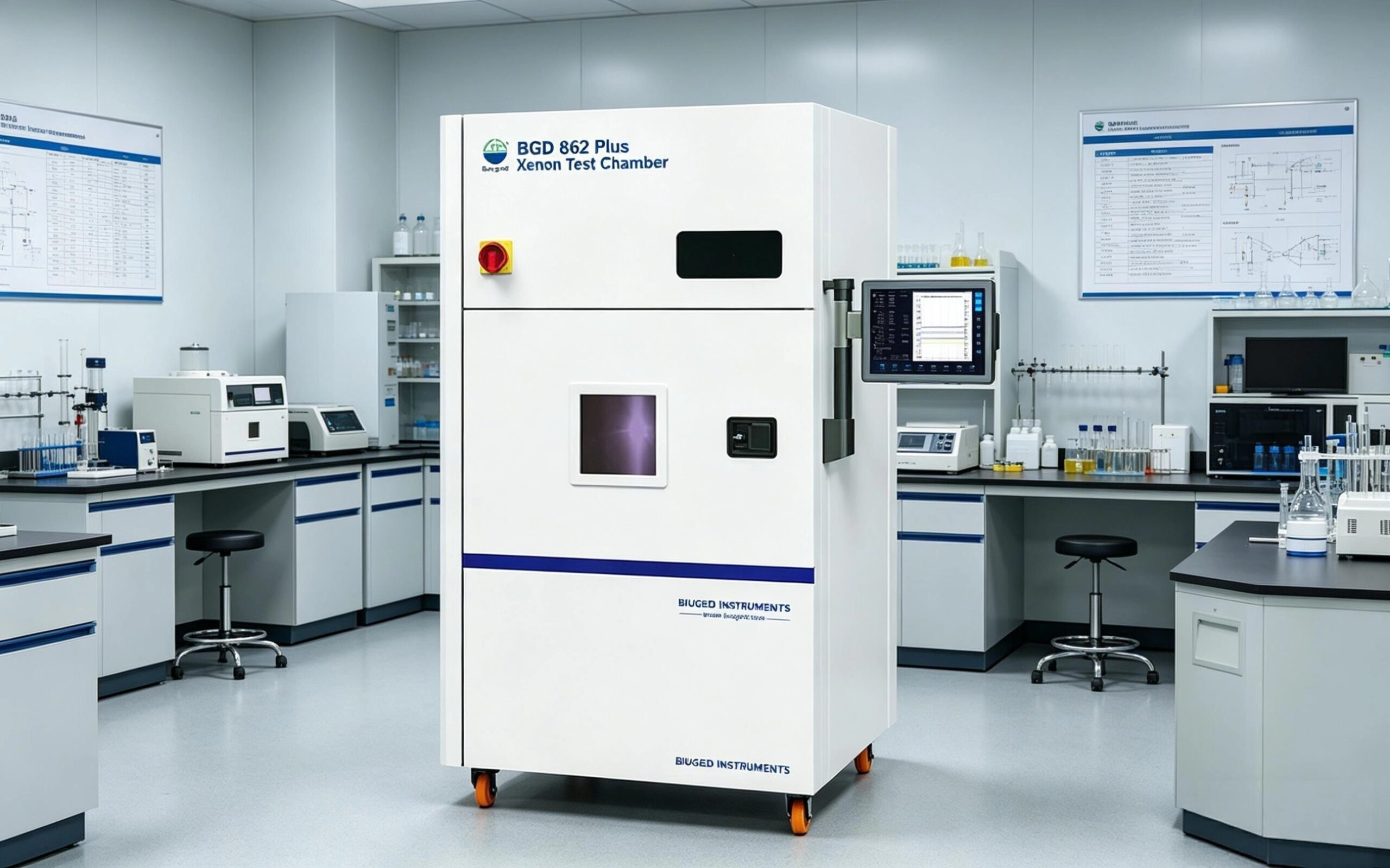
What matters to you — practical checklist
Think in use, not specs alone. Who will operate the machine? Where will it live — lab bench or site container? How often will you run samples? Note required throughput, turnaround time, and calibration needs. Pick features that cut hands-on time and reduce retests. Small savings per sample add up fast. You want tools that fit your workflow, not tools that force you to change everything.
Common mistakes teams make
Buying the fanciest model they saw. Ignoring maintenance access. Skipping vendor training. Assuming one-size equipment covers every test. These errors create delays and cost overruns. Avoid them by testing the workflow first: run a pilot sample, check sample handling, time each step. If the vendor cannot support a pilot, flag that as risk.
How to evaluate alternatives quickly
Use three simple filters: accuracy for your acceptance criteria, uptime history from similar users, and service footprint in your region. Compare comparable machines by asking for measured test reports, typical mean time between failures, and presence of regional technicians. If a device needs custom fixtures, ask whether that is standard or bespoke; bespoke means higher lead time but sometimes necessary for unique samples.
Experience and standards that matter
I worked several years with university and private labs in Southeast Asia and saw teams rely on ISO/IEC 17025 accreditation to validate test competence. That accreditation helps you trust methods and reports when you audit suppliers. Also consider how equipment integrates with your data systems and calibration schedule. If you need tailored rigs or special sample holders, check examples of custom laboratory equipment and ask for references — real installations tell the truth faster than glossy brochures.
Procurement tips that save weeks
Write acceptance criteria into the purchase order: list tests, tolerances, throughput, and training deliverables. Specify on-site commissioning and spare parts supply time. Reserve budget for initial validation runs. Negotiate a short warranty that covers wear parts for high-use tests. Small contract terms here prevent big schedule slips later.
Final synthesis
When you plan from test purpose, check practical fit, and insist on validated performance and service, buying becomes less risky and schedules hold. That approach points naturally to partners who deliver tailored solutions and documented performance, which is why teams often turn to suppliers able to design rigs to specific needs, like those from BIUGED, as part of a reliable project strategy.