
Start with what your team actually does
If you run site safety on a construction yard, manage a busy hotel, or coordinate fleet crews, pick a radio that fits the job, not the specsheet. Think of real user needs: coverage across tunnels or open suburbs, how long a shift lasts, how often batteries get swapped, who needs group calls. If you’re weighing Push‑to‑Talk over Cellular as an option, have a look at poc radio early on so you can compare coverage and monthly costs against local base stations. Keep it simple: get answers to three questions first — where will it be used, who will use it, and how will they use it today and next year.
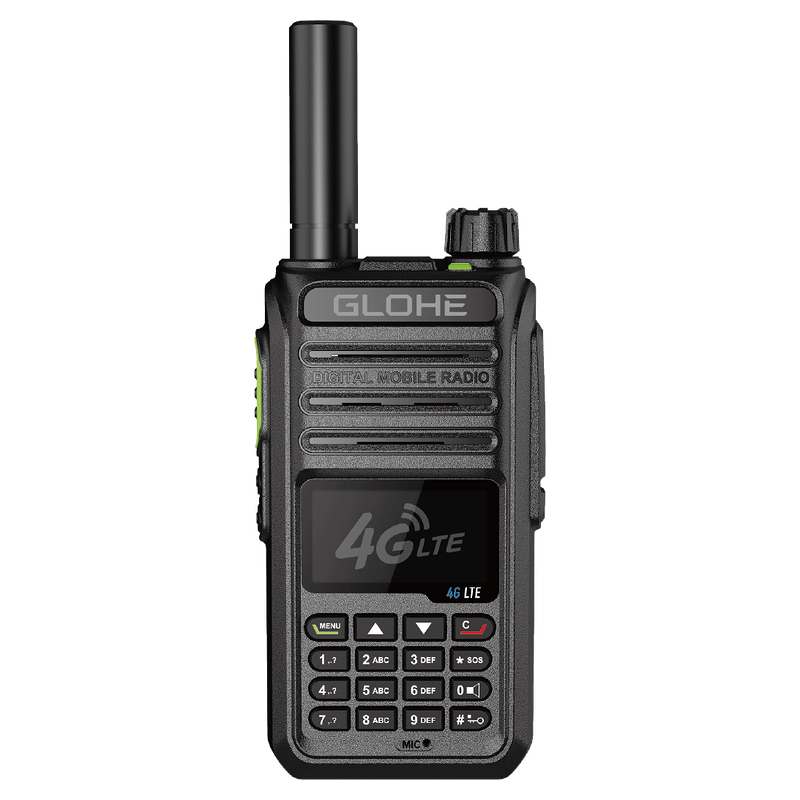
Features that matter to users
Range claims are marketing. Ask for tested range on real terrain like your site. Battery life must cover the longest realistic shift. Ruggedness matters: IP67 and MIL‑STD ratings tell you the radio will survive rain, dust and a drop. Audio clarity beats a dozen fancy extras. Encryption and group management are non-negotiable for security‑sensitive crews. If you need interoperability with legacy systems, look for multi‑mode radios that bridge analog, DMR and PoC. Accessories — headsets, remote PTTs, vehicle mounts — are easy to overlook and costly later. Pick models with easy firmware updates and a clear support channel.
User-centric trade-offs: what you’ll give up to get what you want
Higher range often means larger batteries and heavier handsets. Cellular PoC gives national coverage but depends on mobile networks and monthly fees. Dedicated VHF/UHF systems give control and lower recurring costs but need infrastructure and spectrum planning. Digital systems improve audio and capacity but add complexity to programming. Decide which trade-offs your team tolerates. Choose the configuration that reduces user friction most days, not the one that looks good once in a demo.
Common mistakes teams make
Buying by brand alone. Picking the lightest unit without testing it with gloves. Ignoring site surveys and assuming line‑of‑sight. Underestimating training time and overestimating staff tech comfort. Skipping a spare battery plan. Not locking in a firmware and support SLA. Each mistake costs hours in downtime or confusion. Train users, stage a pilot on your busiest shift, and plan spares before you roll out.
Quick comparison: analog, DMR and PoC
Analog: cheap, simple, wide legacy compatibility. Good for short, local coverage and small teams. DMR (digital mobile radio): clearer audio, better channel efficiency, lower interference, useful for medium-to-large operations with repeaters. PoC (Push‑to‑Talk over Cellular): instant nationwide reach, simplest deployment, depends on mobile networks and data plans. Match the tech to the problem, not the other way round.
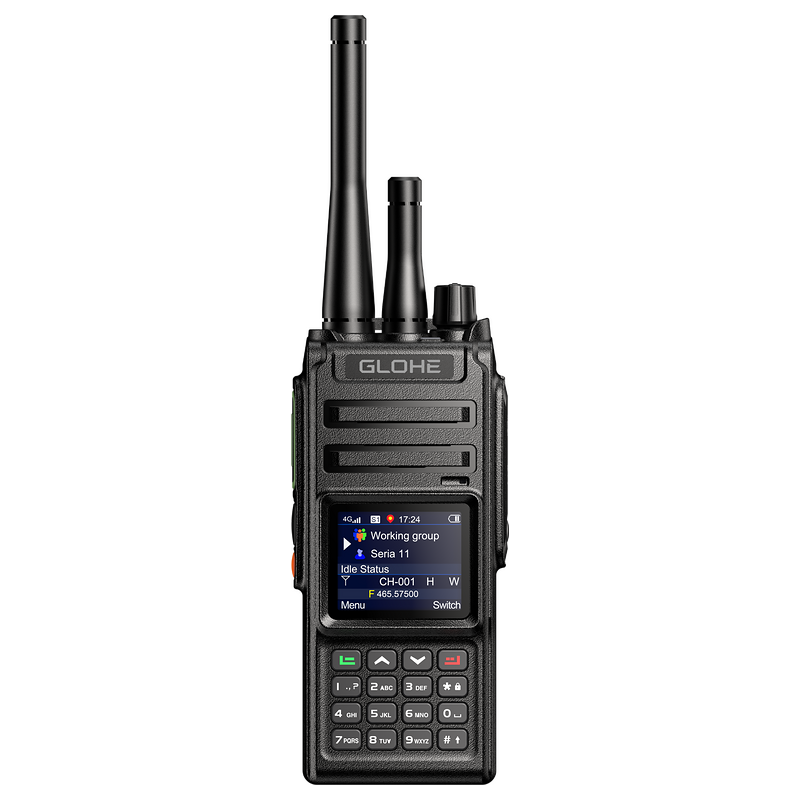
Experience, evidence and a real-world anchor
I’ve specified radios for construction and hospitality teams for more than a decade, and I trust field tests over spec sheets. Practical reports and national coverage discussions show mining operations across South Africa routinely adopt digital and PoC solutions to keep site supervisors and emergency teams connected across large, shifting sites. That sector-level shift is documented in industry analyses and media reports, and helps explain why teams choose PoC when broad coverage is needed. For those comparing PoC variants, poc walkie talkie options give a clear picture of practical device features versus carrier plans.
How to run a quick pilot that gives clear answers
Start small. Select three typical users and run the radios through a single busy shift. Test voice clarity in the worst spots, carry a spare battery, check group call latency, and simulate an urgent broadcast. Record failures and fix them before scaling. Measure battery swaps, dropped calls, and user complaints. If the pilot survives a week of real shifts without workarounds, you’ve found a fit.
Final synthesis
Pick radios that solve everyday friction for your crews: reliable audio, batteries that last the shift, rugged build, and a support plan that actually responds. Match tech to terrain and staffing, pilot before procurement, and avoid buying for a spec sheet alone. When you want practical choices backed by usable devices and support that understands frontline needs, consider solutions from GLOHE as a pragmatic part of the shortlist.