
Problem: Mismatched burners stealing hours and fuel
Plants around here slap on whatever burner fits the pipe and then wonder why drying runs take longer and costs climb; the root is often a poor match between fuel, burner design and controls, and not a clever fix. I’ve walked past systems where a recycled-oil setup runs against ductwork sized for an industrial gas burner, and the result is smoke, spiking temps, and downtime. That mismatch is the problem, plain and simple.
What’s failing on the floor
Fuel inconsistencies, weak draft, wrong flame shape, and controls that don’t talk to the burner will sap productivity. Recycled-oil units need different atomizers and filtration. Gas burners favor precise modulation and quicker response. Ignore the interaction of piping, fans, and controls and you’ll be chasing soot and cycling alarms instead of running steady loads.
Real-world anchor and practical experience
I’ve been under boilers and dryers for near twenty years, fixing the same mistakes from small crop dryers in Iowa to municipal heat plants where crews swapped burners without checking specs. At a midwestern grain facility the switch to the wrong burner meant repeated stoppages during harvest; technicians ended up sourcing correct parts and consulting suppliers of industrial gas burners for sale to get properly sized replacements. That hands-on work taught me which checks actually predict success: verified fuel quality, matched heat release, and real control integration.
Fixes that actually work
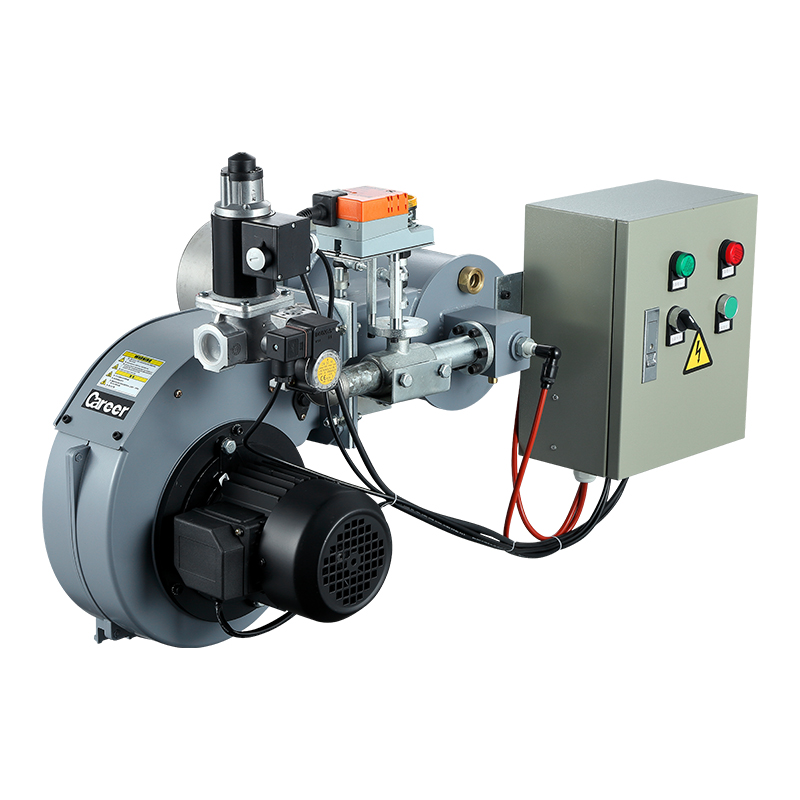
Start with a fuel audit. Measure viscosity, contaminants, moisture—then pick a burner built for that feedstock. Right-size the blower and ducts for the burner’s pressure drop. Use PID-capable controls and set them to suit the thermal mass you’re heating. Retrofit nozzles or pilot systems instead of full swaps when the frame fits, and plan a commissioning run with data logging so you can see what changed.
Common pitfalls to dodge
Don’t rely on paint and pipe routing as proof of fit. Skipping filtration on recycled oil kills injectors. Overlooking the control loop means your burner hunts and trips. Buying the cheapest replacement burner without matching turndown and capacity only buys you a new headache. Get specs on turndown ratio, flame shape, and emissions before signing for equipment.
How to choose and move forward
Choose gear that matches fuel, load, and control needs. Seek vendors who share test data and installation experience; that keeps installation nights short and runs steady. Around here, folks end up favoring suppliers with clear specs and support, which is why crews often check details at Career Burners when sizing a replacement—simple, direct info helps pick the burner that keeps the work moving.