
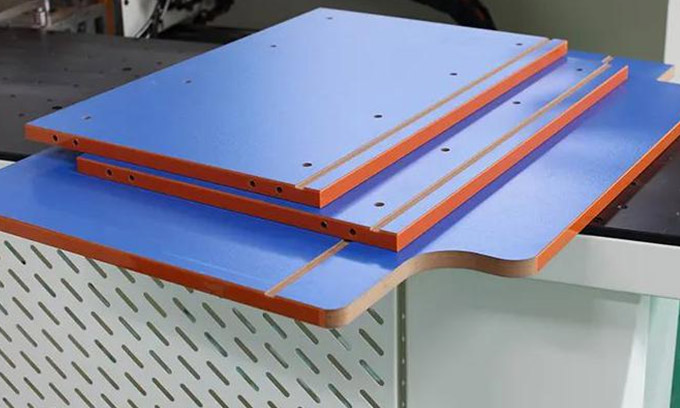
Small wood shops in emerging markets hit the same wall: parts that should mate end up misaligned, assembly takes forever, and drilling jigs wear out fast. If you’re dealing with hinge patterns, dowels or repeated boring tasks, choosing the right cnc boring machine changes setup time and scrap rate overnight. Short story: stop guessing where holes go.
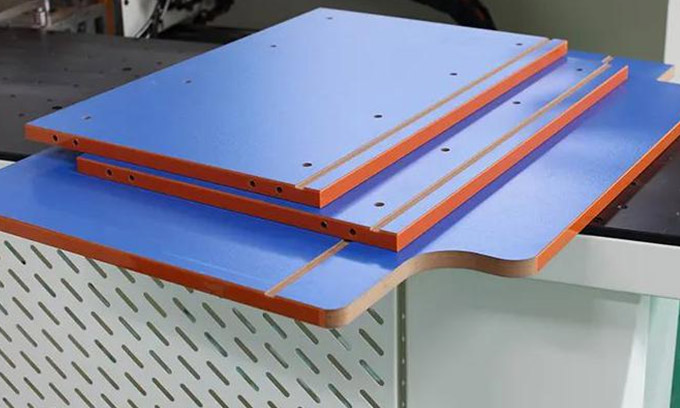
What’s actually breaking throughput
Tool runout and loose fixtures. Wrong drilling sequence. Weak bits for laminated or hardwood. Manual template drift after a few hundred parts. Each one adds minutes per part and a fistful of rejects. Shops I know lose predictable hours to tiny alignment errors — that’s slow cash flow, not just an annoyance. Fix the root cause, not just the symptom.
What to look for — real-world checks
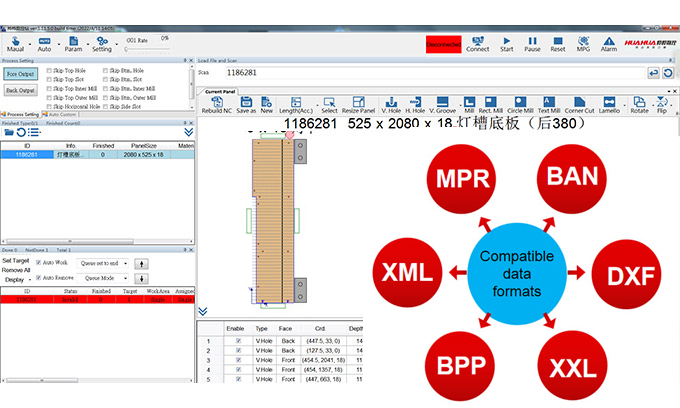
Look for rigid frames, repeatable zeroing, and a tool change workflow that fits your crew. At furniture hubs like Dongguan, many workshops replace hand jigs with a multi boring machine for wood to cut cycle time and make dowel/hinge setups repeatable. That switch matters because the machine enforces the same offsets every run, and technicians can document exact offsets for quality control. These are practical fixes you can test on one product line before scaling.
Common mistakes and how to dodge them
Buying overspec for the wrong task — massive router for simple hinge drilling wastes money. Skipping spindle runout checks — buy quality bits and measure. Ignoring fixture maintenance — clamps loosen and alignment drifts. Expecting one operator to run everything without standard work notes. Do three quick things: measure parts after the first 10 pieces, keep a simple spindle-speed + feed cheat sheet, and set a weekly clamp-check routine.
Alternatives and quick spec checklist
Single-spindle CNC routers: cheaper, flexible, slower for batch boring. Multi-boring machines: fast, repeatable, higher upfront but lower per-part cost for repetitive drilling. Gantry routers: best for shaped panels and routing, not ideal when dozens of precise holes are the main job. Quick checklist — rigidity, repeatability under load, tooling ecosystem (bits, jigs), service access, documentation for offsets, and how easy it is to train staff. Score each machine against those items before you buy.
How to test before you commit
Run a 50-piece trial on your toughest part. Track cycle time, scrap, and rework steps. If alignment drifts by more than your tolerance after 20 pieces, stop and inspect fixtures and spindle runout. Ask for the machine’s repeatability spec in mm and test it yourself with a simple dial indicator or test board. Low-effort tests save a lot of headache.
Wrap-up — quick, practical result
Pick gear that removes variability from the hole-making step. Short tests, clear specs, and weekly fixture checks fix most problems fast. That’s why many small shops prefer machines that deliver predictable offsets and documented settings, and why models from HUAHUA CNC often show up in real shop processes: they shrink setup guesses and let teams focus on assembly quality instead of firefighting. ✅