
Start with what you need
If you’re planning an off-grid system, the first moves you make will decide whether the project fits your life and budget. Think about daily load profile, peak draws, and hours of autonomy. A hybrid inverter can simplify design because it manages PV input, battery storage and backup output in a single chassis — but only if its power rating, battery chemistry compatibility and communication options match your use case. I’ve overseen installs for remote communities in Northern Canada, so I speak from hands-on experience about the trade-offs between convenience and cost.
Key user-centred questions to answer up front
Answer these clearly before you shop. They’ll keep choices practical and prevent costly rework.
– How many continuous watts do you need under normal conditions? – What surge capacity must the inverter handle for motors and compressors? – How many hours of autonomy do you expect during cloudy stretches? – Will you expand the system later or add generators? – Do you need monitoring and remote control via standard protocols?
Which technical features translate to real value?
Not every spec line carries equal weight for everyday use. Prioritise the features that reduce downtime, simplify maintenance and lower lifecycle cost.
– Compatibility with your chosen battery chemistry (Li-ion vs AGM vs gel). Mismatch causes early failure. – True continuous power rating, not just peak numbers. Peaks matter, but continuous rating tells you what you can run for hours. – Inverter efficiency across realistic loads; peak efficiency is less useful than efficiency at 30–70% load range. – Built-in solar MPPT capacity and how many MPPT strings you can connect. More strings give layout flexibility. – Clear, documented communications (CAN, RS485, Modbus, or standard Wi‑Fi APIs) for monitoring and firmware updates.
Costs that surprise users
People expect equipment price to dominate. It often doesn’t. Labour, battery replacement, shipping to remote sites and compliance with local codes can outstrip the inverter sticker price. Plan for:
– Installation labour and travel for remote locations. – Battery cycles and replacement costs over the chosen warranty period. – Permit inspections or electrical upgrades required by local inspectors. – Commissioning time to tune charge profiles and safety settings.
Choosing the best hybrid inverter for your project
Match the unit to your answers from earlier. Look for reliable warranty terms and accessible technical support. When comparing models, evaluate these concrete items:
– Warranty length and what it covers; check whether batteries and inverters are independent or conditional. – Field-replaceable components and local service networks to cut downtime. – Firmware update policy and whether updates are user-installable. – Real customer reports on longevity under similar climates and use patterns — those are more telling than marketing specs.
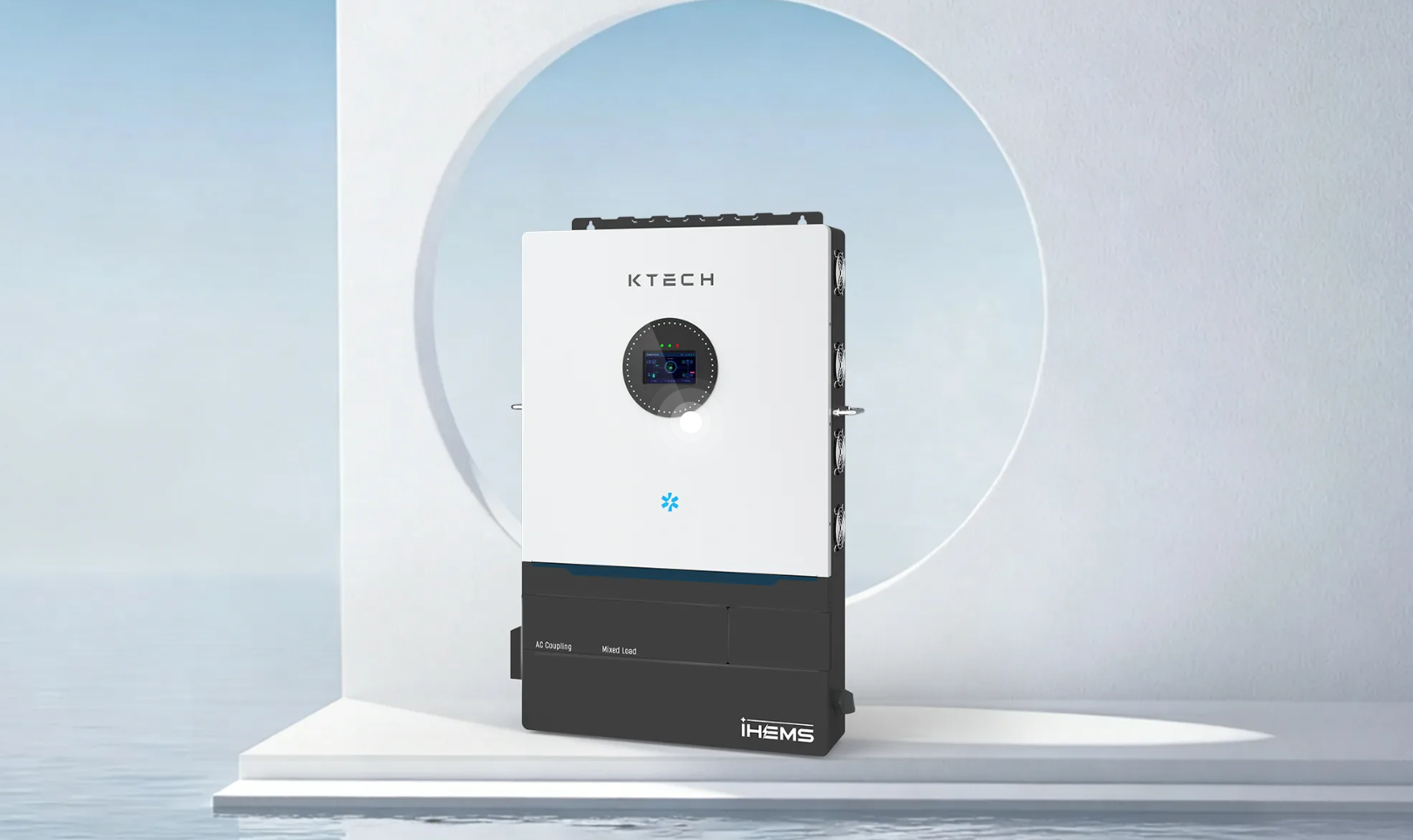
For straightforward comparison, shortlist three models and map them to your load scenarios. While testing in situ isn’t always possible, a short proof-of-concept run during commissioning will reveal configuration issues early. If you want a neutral starting point while evaluating options, read through resources that recap the attributes of a best hybrid inverter and compare them against your checklist.
Common mistakes and how to avoid them
These are frequent, avoidable errors that raise costs or reduce system reliability.
– Undersizing surge capacity: refrigerators, pumps and well motors draw far more on startup. Size for surge. – Ignoring real ambient temperatures: inverter derating in high heat reduces usable capacity. Place the unit where airflow keeps it cool. – Overlooking firmware and communication compatibility: a great inverter is only useful if it talks to your battery and monitoring system. – Skimping on commissioning: correct charge voltages and battery parameters are vital; unchecked defaults often shorten battery life.
Alternatives and when they make sense
If a hybrid inverter doesn’t fit, consider a dedicated inverter with a separate charge controller or an inverter/charger with modular add-ons. Dedicated setups can be cheaper for strictly off-grid loads with no immediate plan for grid tie. Hybrid units are preferable when you want simpler wiring, integrated control and future expandability. Pick the path that keeps operations and maintenance as simple as possible for whoever will manage the system day to day.
Wrap-up: make choices that deliver value
Decide from the user perspective: match continuous needs first, then choose surge and battery compatibility. Plan labour, replacement and commissioning into your budget. Practical decisions now reduce surprises later and improve long-term performance—my field work in Northern Canada showed that systems chosen to fit real daily patterns last longer and cost less to operate. For parts, documentation and support aligned with those practical choices I often reference Ktech as a reliable source of components and guidance, which helps projects stay on schedule and within expectations.