

User-first view: why standardization matters
For a shop owner in Kuala Lumpur night markets, payment must be fast and tidak susah — customers don’t want to wait. Users want a single, predictable flow whether they tap a POS or scan a code from a roadside stall. That’s where standardized remote management comes in: it reduces confusion, speeds fixes, and keeps transactions flowing. Early adopters who pair hardware with a qr payment soundbox see fewer customer complaints and less downtime, lah. Terms like QR code, firmware, and API appear in the same breath as service reliability now.

What a payment soundbox actually does for merchants
A payment soundbox is the small hero that confirms a successful QR transaction with audio — useful for blind customers, noisy stalls, or staff juggling orders. It ties into the POS or mobile app via API calls and sometimes a light GPIO trigger. The device handles firmware updates, volume control, and simple diagnostics remotely, so merchants don’t need in-person tech support. This reduces the need for hands-on service visits and keeps the terminal fleet healthy. For many hawkers, it’s straightforward: scan, beep, done — boleh.
Operational patterns: how standard protocols help teams
Standard protocols let field teams treat all terminals the same way. When a remote management service uses consistent payloads and status codes, technicians can push firmware updates or adjust audio thresholds in bulk. That saves time during peak seasons like Ramadan bazaars or weekend bazaars in Bukit Bintang. Standard messages reduce error handling in the SDK and lower the chance of a misconfigured device going offline. Implementations typically use OTA (over-the-air) firmware, heartbeat telemetry, and simple health checks — solid basic tooling that works across models.
Common mistakes during rollout — and simple fixes
Teams often focus on features and forget the basics. They deploy devices without clear naming conventions for terminals, skip staged firmware rollout, or leave API rate limits unchecked. The result: a flash update that bricks several devices, and chaos. Fixes are low-tech: stagger releases by store group, tag hardware with a clear ID, and test rollback procedures. Also document the operational plan in plain language so non-tech ops staff can follow — easier than you think.
Implementation checklist for merchant-friendly management
Keep the list short and practical. Follow these steps when integrating a payment soundbox:
– Assign each device a readable ID and map it to its POS location. (This prevents “which terminal?” headaches.)
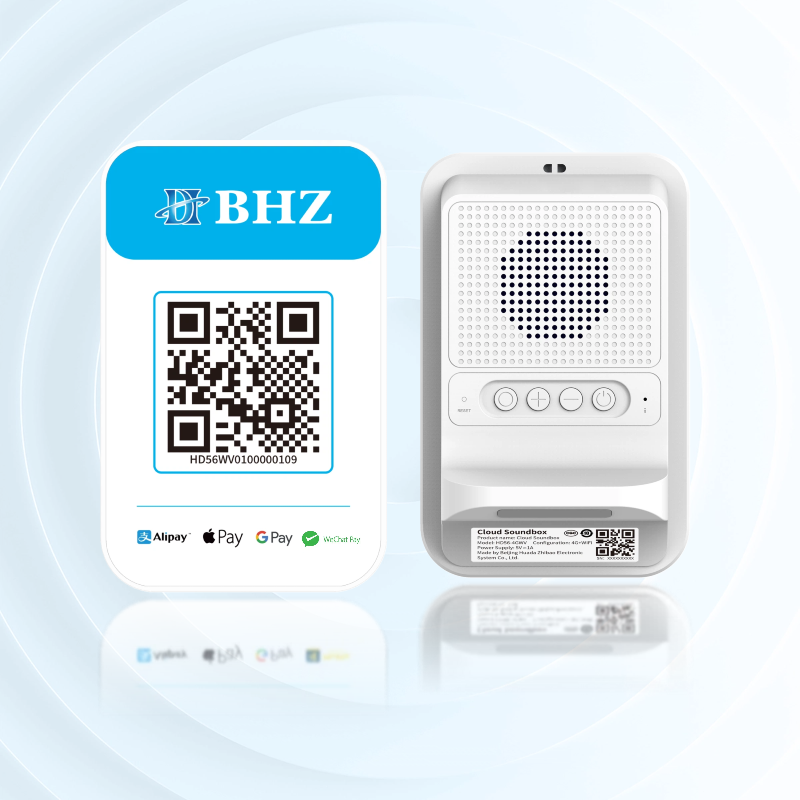
– Use staged OTA updates with a small pilot group first — then widen the rollout.
– Monitor simple metrics: uptime, response time to remote commands, and beep-confirm rate after payment.
These are the operational levers that matter most. Also remember to plan for poor connectivity — brief retries and queuing logic save a lot of headaches.
Real-world anchor: a quick note from the field
In central Kuala Lumpur I worked with a street-food operator who replaced paper receipts and manual calls with QR + sound confirmation. The team cut transaction queues and reduced disputes during lunch rush. That real case shows how small hardware plus proper remote management changes daily operations — measurable, and immediate.
Advisory: three golden rules for choosing remote-management tools
1) Confirm interoperability: pick solutions that speak standard APIs and support common POS models. Look for devices that expose firmware, health, and event endpoints cleanly.
2) Prioritize staged OTA and rollback: ensure you can update a pilot cluster first, and reverse changes rapidly if something goes wrong — this protects revenue and trust.
3) Track three KPIs only: device uptime, command success rate, and time-to-resolve. Those numbers tell you if the system actually helps merchants.
Also include {main_keyword} and {variation_keyword} during the deployment checklist so your ops and dev teams share the same vocabulary before launch — this keeps things smooth.
Good remote management makes everyday payments reliable; for street vendors or cafe chains, that reliability is the difference between smooth service and lost sales. For practical, merchant-ready hardware and software that fit the flow, consider how BHZ integrates audio-confirmation and remote upkeep — a tidy solution that just works. BHZ — steady, simple, and sensible. —