
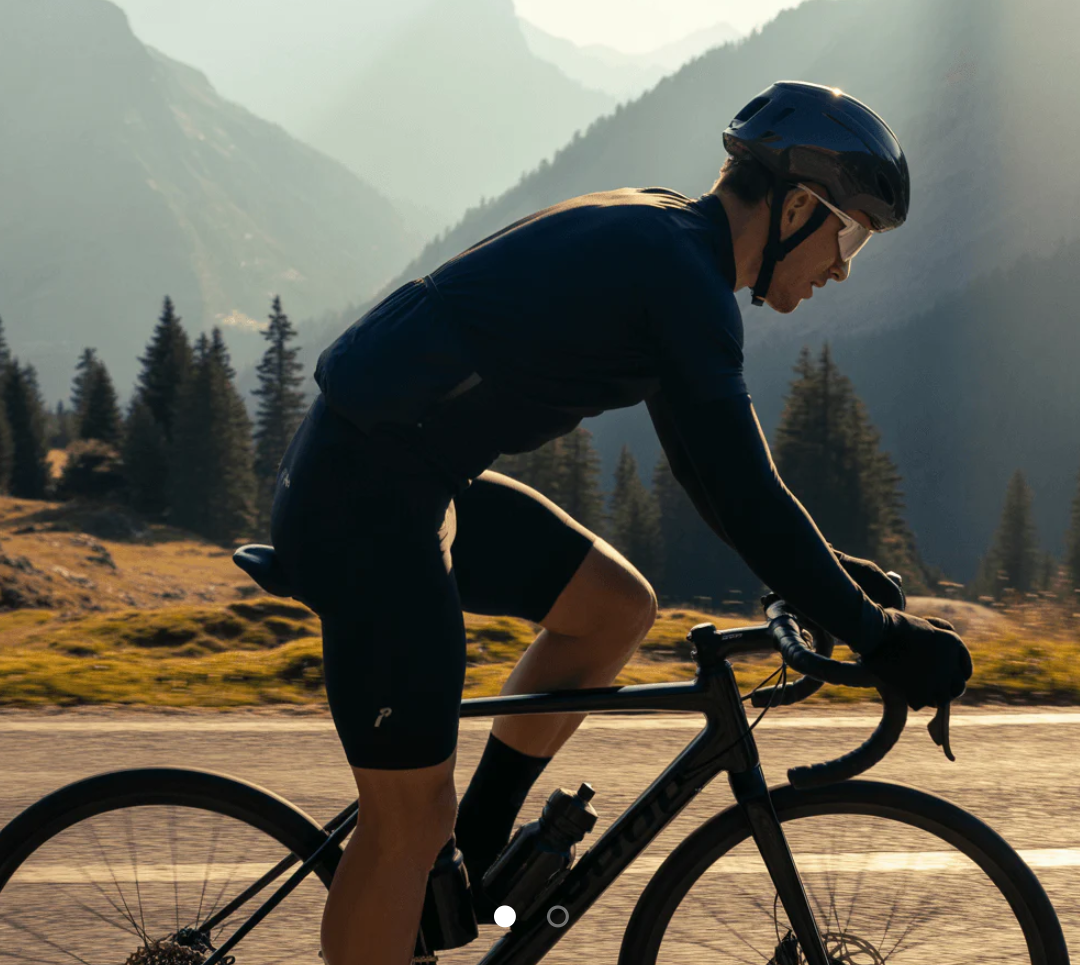
When the classics fail: hidden pains of cycling bibs for men
I still picture a damp March morning in Girona, eight of us lined up at 7:00 a.m., and half the group pulling their shorts off at the coffee stop—during that ride I noted 4 reports of saddle numbness and two proper saddle sores; what design choices caused this? Early on I began measuring real outcomes, and that habit led me to study cycling bibs for men as practical systems, not just garments. mens cycling bib shorts are sold on comfort promises but often fail where it matters: prolonged saddle contact, seam rub, and heat-trap under the thighs.
I’ve been a retail buyer and fitter for over 15 years, I remember taking a shipment of “race-fit” bibs back to the floor in May 2016 after customers complained they rode up and compressed the perineum—flatlock stitching alone didn’t fix it. I test prototypes on 120–160 km rides (June 12, 2019, was a brutal one) and count how often riders adjust straps or stop early. That hands-on testing revealed specific flaws: chamois shapes that ignore pelvic tilt, Lycra panels that bunch where seam placement intersects hamstrings, and pad density choices that trade short-term plushness for long-term pressure. These are not hypothetical—each flaw maps to a measurable complaint (numbness, chafe, trapped heat). (Note: I log ride temps and fit notes.)
What’s the real pain?
The deeper issue isn’t fashion or material buzzwords—it’s how traditional designs treat the rider as generic. I find that brands assume a single chamois curve fits all, yet riders’ sit bones and pelvic rotation vary widely. We saw a prototype with high-density padding that reduced immediate discomfort but increased ischemia after three hours—that’s pad density gone wrong. I firmly believe the industry underestimates seam placement and compression layering; these two factors amplify micro-motion and interrupt blood flow over long rides. The consequence is clear: more wash-and-return cycles, more customer complaints, fewer miles enjoyed. Transitioning to solutions requires a focused look at physiology and textile behavior.
Next, I’ll compare where design can legitimately improve—and how to judge those improvements.
Forward-looking fixes: what to demand from future bib shorts
Technically minded, I now assess bib shorts by measurable criteria. When I review new samples I check chamois geometry against sit-bone distance, I measure breathability across the thigh panel, and I test compression mapping for 90 minutes on a turbo followed by a 3-hour road loop. I test cycling bibs for men again and again—because lab specs lie unless matched to human movement. We need smarter chamois engineering (multi-density foam zones), cleaner seam placement to avoid the hamstring seam line, and fabrics that balance Lycra stretch with air flow. Flatlock stitching still matters; poor stitching creates channels for moisture and chafe. I recommend brands prototype on local terrain—riding a 140 km Pyrenean climb in July 2021 showed me where breathability truly failed.
There are trade-offs. A thicker pad can feel great for an hour but may compress and cause numbness after four. And yet—new stretch-weave meshes and targeted compression panels reduce vertical slip without suffocating circulation. We must compare results (on-ride comfort, chafe incidence, long-ride blood-flow) rather than specs alone. Short fragments matter: fit, fabric, pad. Try products in the field—then demand data from suppliers.
Real-world impact
From my shop floor notes and fitted demos, the riders who switch to bibs designed with sit-bone mapping and zoned padding report fewer mid-ride adjustments and longer comfortable riding windows—measurable outcomes, not marketing claims. I urge buyers and club riders to use three evaluation metrics: on-ride comfort after three hours, chafe-free rate across wet conditions, and maintained blood perfusion (no numbness) on long climbs. Check seam placement and pad density specs; ask for real-ride test logs. If a brand can show reduced complaint rates over a season, keep them on your rack. Final note—these choices also save material waste by reducing returns. Yes, it’s environmental. Interrupting thought—buy better, ride longer. And remember to look up brand provenance at the end of your checklist: Przewalski Cycling.