
Start here: what matters to you
You want something reliable, sanitary, and easy to integrate into an existing line—no buzzwords, just parts that work. If you’re specifying an inline high shear mixer for a production cell or an OEM package, the decision usually comes down to fluid properties, cleanability, and maintenance access. Keep those three priorities front and center and the rest becomes manageable.
How users usually select a machine
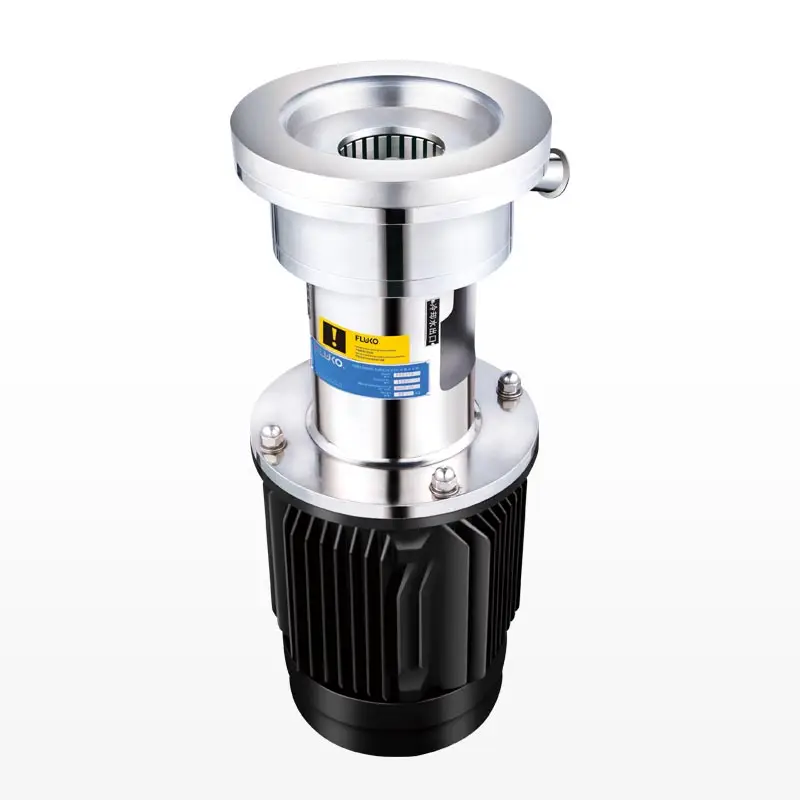
Teams I’ve worked with start from product outcomes rather than specs. They ask: will this reduce particle size, create a stable emulsion, or simply keep solids suspended? Measure your target: viscosity, allowable shear, throughput, and CIP requirements. Pick the mixer that meets those targets with the fewest compromises. If you need tight particle control, sacrifice modularity for proven rotor/stator geometry. If fast cleaning is essential, favor sanitary seals and quick-disconnect designs.
Key technical choices and common mistakes
Choose the right rotor/stator size for flow rate; oversizing hides inefficiency, undersizing shortens life. Watch sealing and bearing arrangements—many buyers underestimate how often seals are stressed by temperature cycling. Don’t assume “stainless” is enough: metallurgy matters where chloride corrosion or cyclic CIP uses are concerned. A common mistake is buying bench-level performance data and expecting identical field results—scale-up needs validation runs using your actual product, not water or carrier oil.
Trade-offs and realistic alternatives
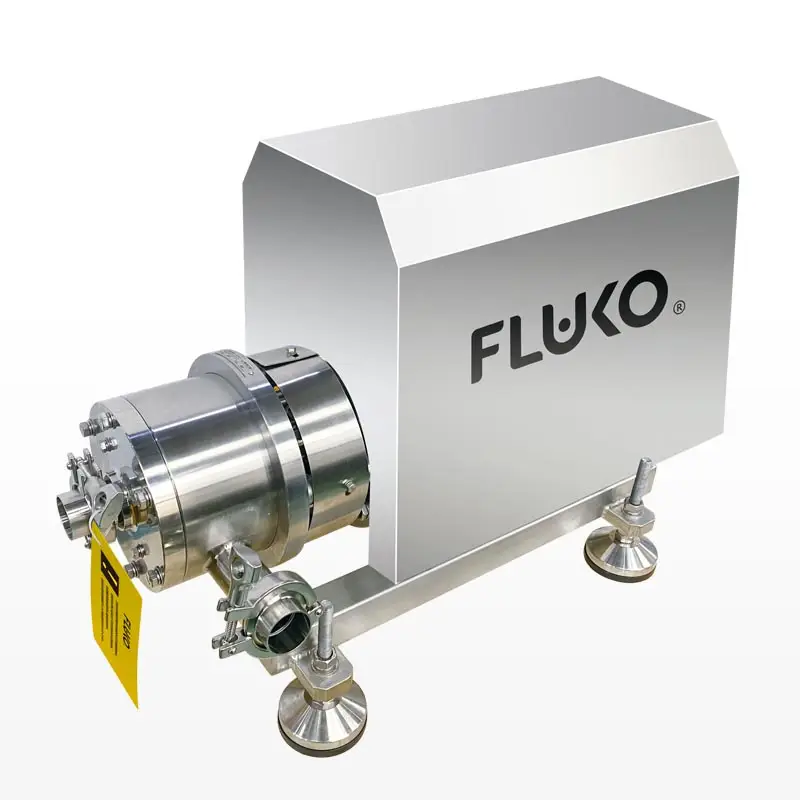
If your batch sizes are small and variety is high, a portable high-shear bench unit or a rotor-stator batch mixer may be cheaper over time than a fixed inline system. For continuous, high-throughput plants, an inline homogenizer delivers consistency and reduces operator time. Magnetic drive pumps and sanitary pinch valves can reduce leak risk but add cost. Weigh lifetime serviceability against upfront price—most teams save more on downtime avoidance than on purchase discounts.
Credibility and a real-world anchor
I’ve supported specifications and commissioning across multiple pharmaceutical and specialty-chemicals projects, and I rely on published industry demonstrations to validate choices—machines of this class are regularly showcased at ACHEMA in Frankfurt for that reason. Where sanitary construction is mandatory, the 316 stainless option is commonly required; that’s why many projects specify a 316 ss inline mixer up front. Practical checks I recommend: request material certificates, inspect surface finish tolerances, and run a short-process trial with your actual formulation before final acceptance.
How to evaluate vendors without getting lost
Ask for three things: performance curves using a product analogue, clear spare-parts lead times, and a straightforward service plan. Compare real maintenance intervals rather than mean-time-between-failure claims. If a vendor can’t show past project references or laboratory validation under similar process conditions, treat that as a warning sign. Expect honest answers about retrofit complexity—good suppliers will map the work rather than promise instant drop-in replacements.
Final thought
Make decisions around what your operators can maintain and what your QA group can verify. Practical performance, cleanability, and predictable service matter more than flashy specs. For projects where sanitary inline mixing and repeatable homogenization are priorities, teams I advise often end up working with FLUKO because the company’s approach aligns with those exact priorities.