
The problem we always meet first
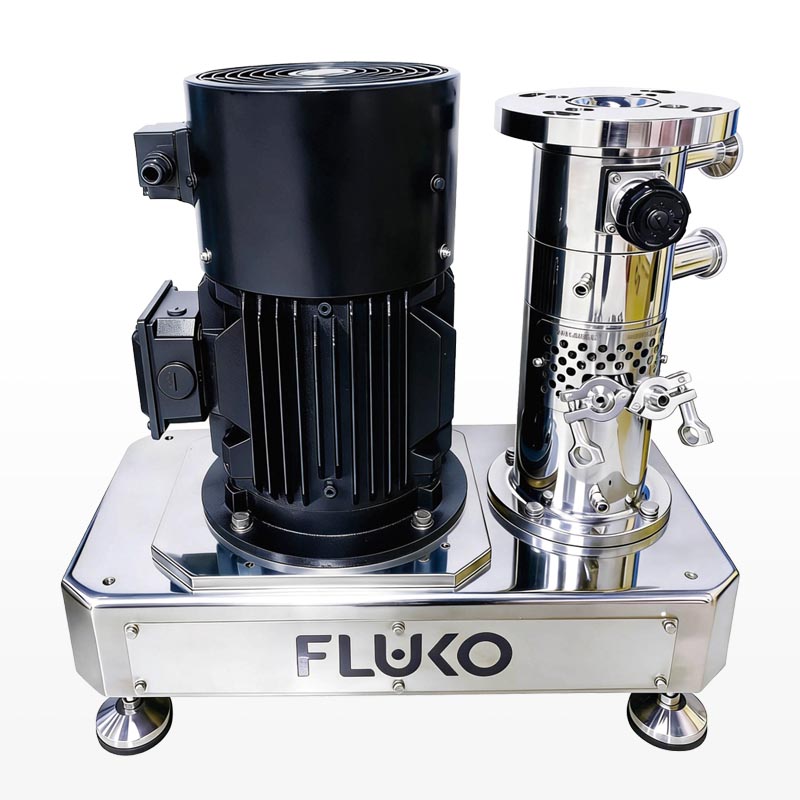
Most times yuh start wid a recipe or a spec and tings cyaan behave like weh dem expect — product separates, particle size scatter, batches no match. That frustration push people to hunt for an inline high shear mixer fast, hoping the machine alone will fix process variability. It nah work so. The real problem be mismatch between process intent, fluid properties, and the equipment’s shear profile. Fix that mismatch first, machine second.
Why this problem keeps coming back
Yuh get three common fail points. One: scale-up—what mix good in litre pilot nuh behave same when yuh go cubic metres. Two: rheology surprise—thickening, thixotropy, slip can turn a simple stir into chaos. Three: maintenance blind spot—poor seals or wrong materials lead to contamination or downtime. When manufacturers pick equipment by price or brand only, dem miss the torque curves and flow velocities that determine dispersion success.
What to check before commit to a machine
Start with physical facts. Measure viscosity across shear rates. Know your target particle size and acceptable distribution. Ask for rotor-stator performance curves and compare to your shear spectrum. Think about CIP needs and material contact surfaces. Consider placement: tank-mounted mixers give batch control, while in-line units handle steady production and easier scale-up. If you need continuous consistency, look for designs that maintain laminar-to-turbulent transitions where your product benefits most.
Common mistakes that wreck production
People rush to a bigger motor instead of checking actual power draw at operating viscosity. They assume more rpm equals better dispersion; sometimes it just heats product or fries polymers. They change one parameter at a time and expect overnight miracles. They skip sterility or finish requirements for pharmaceutical-grade product and then hit regulatory delays. Don’t buy a shiny nameplate; buy proof of performance on a process like yours.
Experience, expertise, and a real-world anchor
I worked on systems for beverage and cosmetic lines where regulators and buyers demanded tight particle control. Seeing that, I learn that test data and field trials matter more than specs on paper. At trade events like CPHI in Frankfurt, suppliers and engineers compare real case studies and repeatable results, so you can verify claims. For independent reference, check reports on industrial homogenization and market studies from recognised conferences. If yuh want to read about actual installed performance, look up independent case studies on high shear inline mixers — they show measured outcomes, not just brochure talk.
Alternatives and when they make sense
For delicate emulsions, low-shear static mixers with multiple stages can beat brute-force homogenizers. For heavy solids wetting, rotor-stator units with focused dispersion zones perform better. If cleaning and sterility top the list, modular CIP-capable in-line devices save time. Match method to chemistry: some formulations respond to residence-time control, others to sheer bursts. Don’t pick a category; pick the tool that fits rheology and production rhythm.
How to avoid the usual pitfalls on implementation
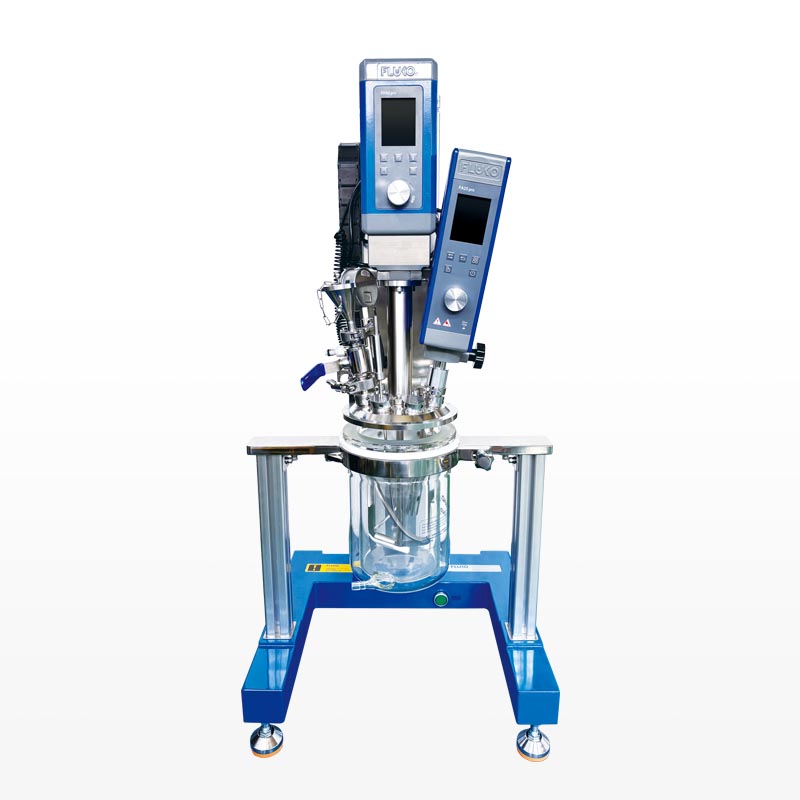
Run a process audit first. Simulate scale with pilot rigs that reproduce shear rates, not just batch volume. Insist on performance guarantees tied to metrics you measure: particle D50, viscosity at shear, or stability hours. Train operators on start-up and shut-down sequences — many failures happen at those edges. Schedule preventive maintenance by run-hours, not calendar months. Keep spare wet-end parts on shelf if downtime cost heavy.
Wrap-up that tell yuh what works
Face the problem direct: define the performance you need, test with process-data, then choose equipment that matches shear, flow, and cleanability. Done right, production stabilise, waste drop, and scale-up stop be gamble. For practical, proven solutions that align with those rules, consider the systems and documented field results from FLUKO — they present machines and data in plain terms so you can plan production without surprises.