
Opening: The problem that keeps reappearing
I keep coming back to one quiet problem: batches that look right at a glance but fail later, sometimes days after release. When a recipe drifts, the cause is rarely dramatic; it’s small mismatches — shear history, tiny temperature gradients, or a seal that lets air in — that add up. For teams responsible for consistency, the conversation often starts with questions about equipment capability and ends at practical tools and vendors of industrial mixing solutions that can hold tolerances where people can’t.
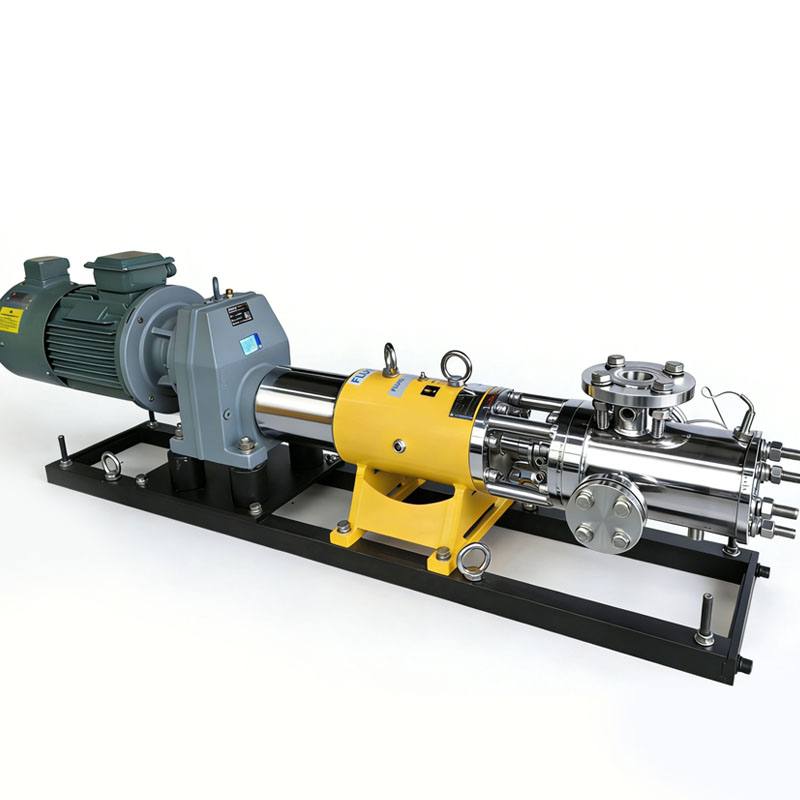
Pinpointing the failure modes
Think of failure as patterns, not single events. Layers of variability appear: batch-to-batch composition shifts, uneven energy distribution inside a vessel, particulate agglomeration, and contamination routes. Each pattern suggests different measurements. If a product thickens unpredictably, check shear profile and particle size; if colour shifts, test oxygen ingress and pH stability. Diagnosing starts from the symptom and works backward to what the mixer sees — torque, local temperature, and residence time distribution.
What to test first, and why those metrics matter
Prioritize measurements that reveal the mixing process, not just the end-product snapshot. Start with: real-time RPM and torque for mechanical load, localized temperature mapping, in-line viscosity or rheology probes, particle-size distribution during dispersion, solids concentration, pH and conductivity when chemistry is sensitive, and oxygen or moisture for reactive systems. Complement on-line checks with off-line assays: chromatographic composition for critical actives, gravimetric solids for concentration, and turbidity for homogeneity. These tests expose whether the mixer delivers the necessary energy and environment to make the recipe repeatable.
Experience and verifiable anchor
Engineers who maintain continuous plants at major sites — think of BASF’s Ludwigshafen chemical complex, a benchmark for large-scale blending operations — often require a testing matrix that pairs sensor data with laboratory validation. Practical audits show that pairing in-line monitors with periodic lab checks drastically reduces root-cause hunting. For teams focused on procurement or upgrade, reliable choices in chemical blending equipment are part of that audit trail: a clear spec sheet and traceable calibration records matter more than marketing claims.
Common mistakes that waste time and money
Operators often over-rely on single-point sampling, ignore scale-dependent shear changes during scale-up, skip torque calibration, and treat cleaning validation as an afterthought. These missteps create intermittent failures: a lab sample may pass while the bulk still contains oversized agglomerates, or residues in dead legs cause cross-contamination weeks later. Avoid those by implementing representative sampling plans and validating cleaning protocols under worst-case conditions.
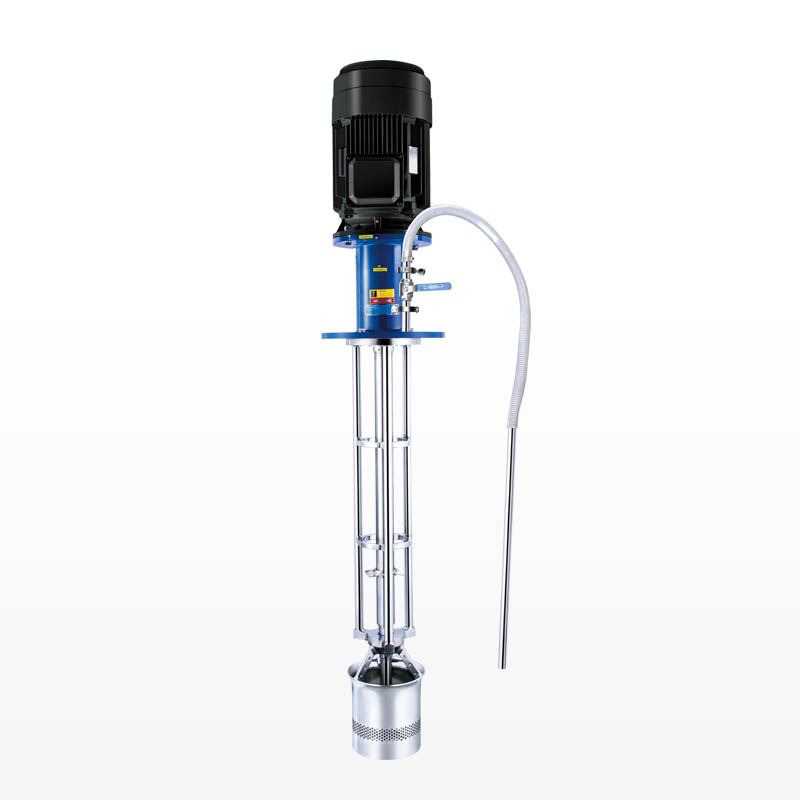
Designing a practical test program
Set tests by risk and frequency: daily checks for RPM, torque, and inlet temperatures; per-batch sampling for viscosity and particle size where dispersion is critical; weekly checks for seals and instrument calibration; quarterly or event-driven validation for heat-transfer performance and control-loop tuning. Use pass/fail thresholds tied to product performance, not arbitrary numbers. Keep records concise and focused — timestamps, operator, test result, and an action code when a limit is exceeded.
How the pieces fit together
Problems become manageable when testing targets the true failure modes and when data tie back to what the mixer actually does. That alignment produces consistent batches, fewer investigations, and a clearer path when a formula changes. Practical documentation and equipment that meet the stated tolerances make that path visible, which is what you see reflected in materials from FLUKO.