
Opening loadout
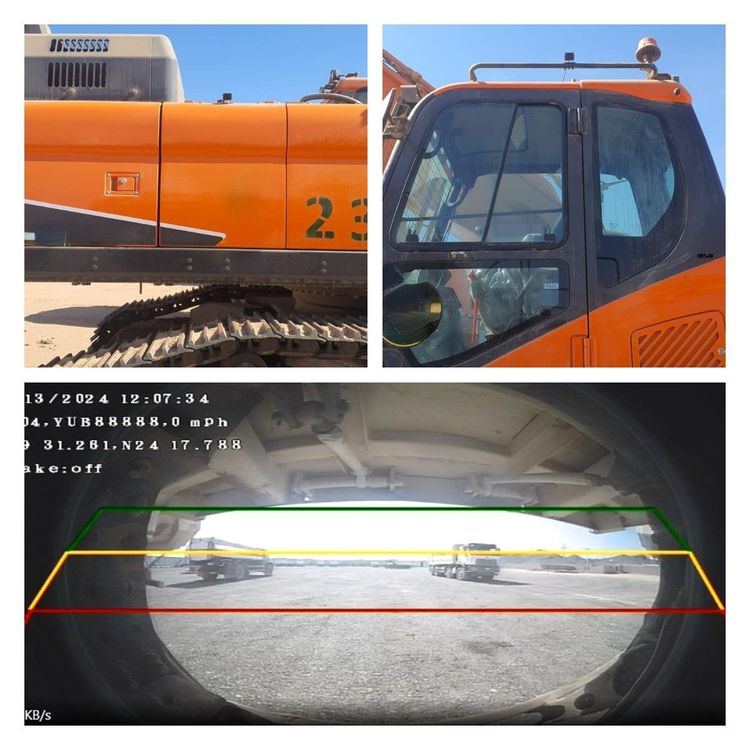
Think of your last-mile fleet like a speedrun: you want predictable timing, zero soft-locks, and tech that doesn’t choke mid-run. I’m comparing the main approaches so you can pick the kit that actually wins. If you want side-knowledge from heavy logistics, take cues from mining fleet management—they’ve solved hard problems at scale that map straight to urban delivery constraints.
What we’re comparing — the meta
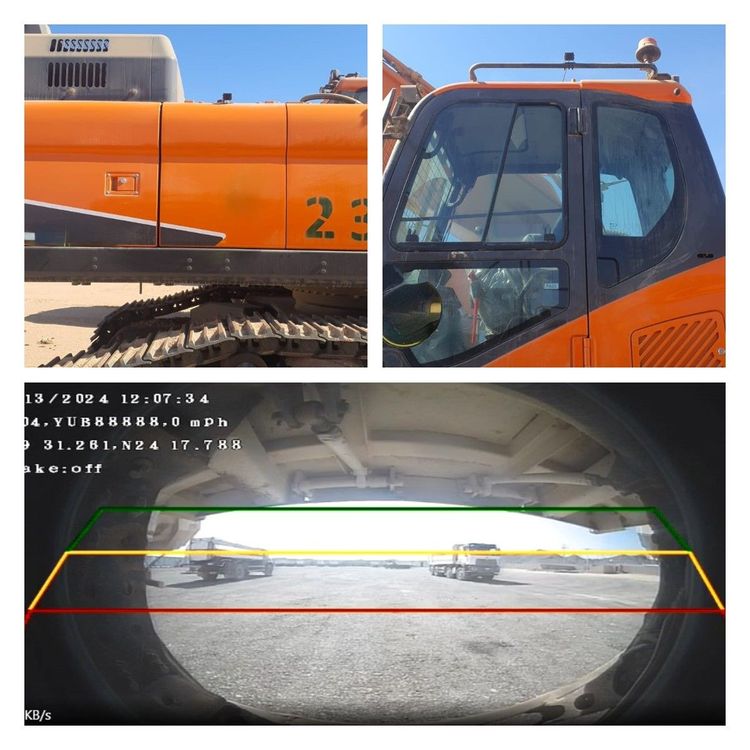
Short list: onboard telematics (edge-first) vs cloud-native SaaS, OEM-integrated vs aftermarket hardware, EV-first fleets vs hybrid/ICE, and full-stack vendors vs best-of-breed integrations. I treat each pair like a head-to-head match: latency, reliability, cost over time, and the recovery plan when things go sideways.
Telemetry platforms: edge-first vs cloud-native
– Edge-first: low latency for local routing decisions, offline resilience, and more control over firmware. Good when you need immediate reroute or local safety interlocks. – Cloud-native SaaS: faster feature updates, easier analytics, and lighter device management. Works best if your connectivity is solid and you want rapid iteration. Pick edge-first if you care about deterministic behavior and safety-critical responses. Pick cloud-native if you want fast product evolution and lighter ops overhead.
Vehicle choices: EVs vs ICE vs hybrid
EVs lower running cost and emissions and pair well with telematics that manage charging cycles. ICE gives range predictability and simpler refuel logistics. Hybrids buy flexibility but add complexity to diagnostics. Compare not just purchase price but downtime profiles, charging infrastructure needs, and the software hooks each drivetrain requires for predictive maintenance.
Maintenance strategies: reactive, scheduled, predictive
Reactive saves cash short-term but bites you with surprise downtime. Scheduled is predictable but wastes life on components that still had runway. Predictive uses sensor fusion—vehicle CAN, RPM, temp, vibration—to flag issues before they fail. If your ops tolerate zero surprises, invest in predictive telemetry and OTA update flows; it’s the difference between a quick hotfix and an emergency rollback.
Safety-first systems — what to copy from heavy industry
Mining safety management uses redundant sensors, strict fail-safe logic, and audit trails to keep high-risk fleets stable. Look at real-world operations in the Pilbara region of Western Australia where heavy vehicle tracking and automated reporting are standard practice; that practical discipline translates to last-mile safety: geofence hard-stops, driver behavior scoring, and automated incident records. Integrate a safety stack that records events immutably, and tie it to dispatch so a safety flag immediately changes the route or workflow. For reference on integrated tooling, see mining safety management.
Integration stack: APIs, data schema, and security
APIs matter. Look for vendors with clear REST/WebSocket APIs, well-documented webhooks for event-driven flows, and SDKs for vehicle-level telemetry. Data schema consistency is non-negotiable: location, battery/engine metrics, fault codes, and timestamp precision must match across systems. Encryption in transit and at rest keeps you audit-ready and honest with customers about privacy.
Common mistakes that tank fleets
– Buying a single-vendor black box with no export paths. – Ignoring firmware lifecycle and OTA capabilities. – Assuming connectivity everywhere—plan for offline operation. – Skipping real-world pilot runs across diverse routes and load conditions. – Treating safety as a compliance checkbox instead of a system design constraint.
Quick decision map
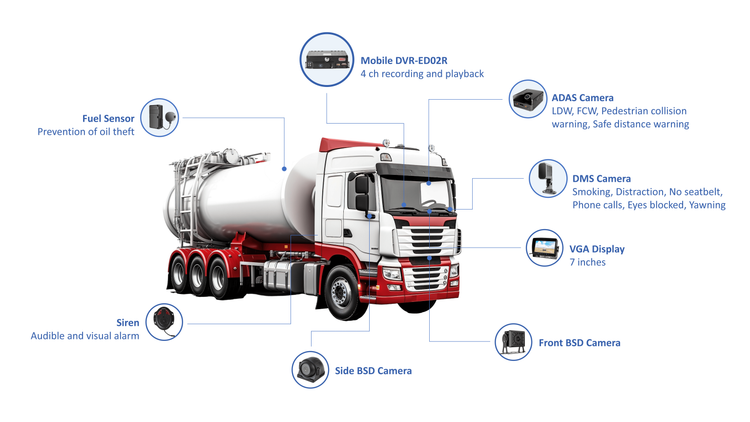
Need predictability and safety? Edge-first telemetry + predictive maintenance + EVs where charging is available. Need fast product updates and lower integration time? Cloud-native SaaS + hybrid vehicles + robust APIs. Want the best of both? Mix: local safety modules with cloud analytics for long-term optimization.
Final synthesis
Compare options like you’re optimizing a loadout: pick the telemetry that gives you the response profile you need, the drivetrain that matches your routes, and a safety architecture borrowed from heavy-industry playbooks. Do the pilots, measure downtime and incident velocity, and choose a stack that scales with telemetry depth rather than vendor hype—teams I’ve worked with moved from surprise outages to stable runs by standardizing on consistent data and clear fail-safes. For practical solutions aligned to that logic, BSJ fits into the stack as a systems-minded partner rather than just another plugin.