
Introduction: a framework-first approach
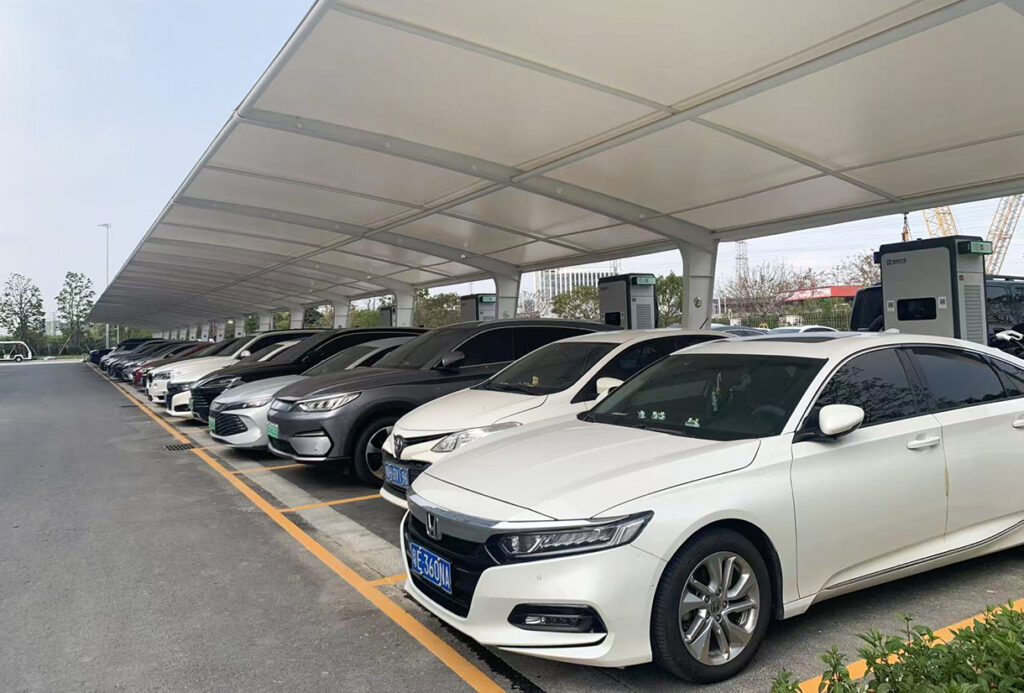
Start with a clear scope: capacity, user profile, and timelines. This article frames a step-by-step method for integrating commercial chargers into live electrical networks and points to real installations such as an EV charging installation project that prove the approach. The framework prioritizes grid impact, site wiring, and control systems so teams can move from survey to commissioning with minimal rework. Industry terms: load balancing, kW, smart charging.
Phase 1 — Site assessment and baseline
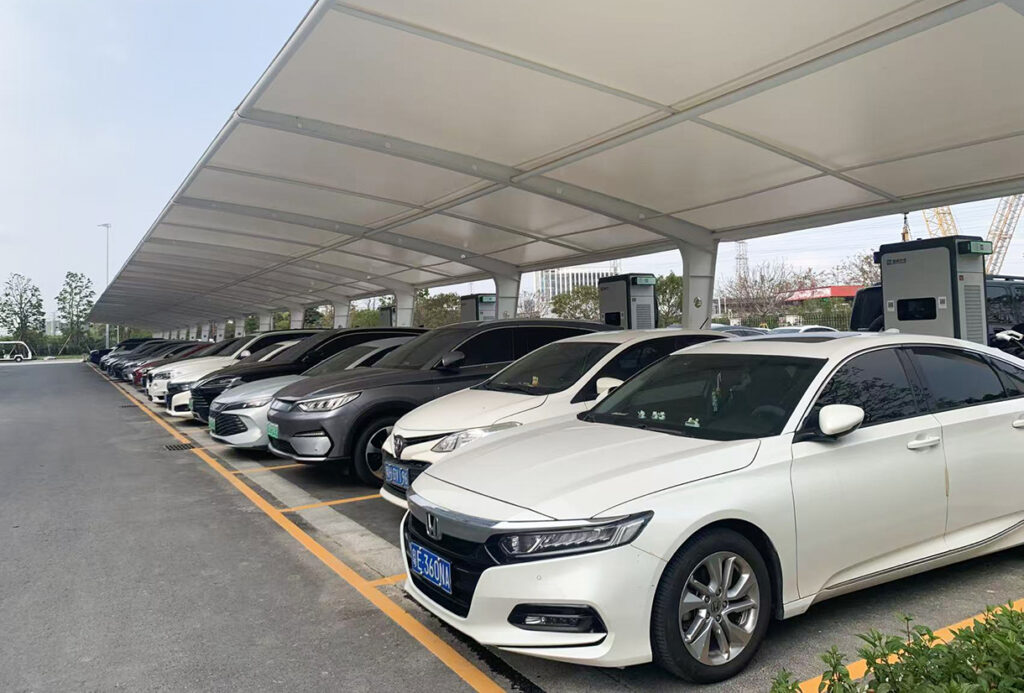
Document the existing electrical feed, meter capacity, and typical load profile. Pull the main switchboard schedule, check transformer ratings, and log peak demand hours. If the site is in a high-adoption region — for example, Norway reached over 80% new passenger EV sales by 2021 — account for faster growth in future phases. Capture key constraints: limited spare capacity, upstream tariff blocks, or single-fed switchgear. Industry term: network management system (NMS).
Phase 2 — design rules and component selection
Select charger types by duty cycle: AC charging for longer dwell-time users; DC fast charging for rapid turnover. Size distribution boards and protection to handle inrush currents and fault levels. Specify communications: OCPP for charger-to-backend, and an NMS for centralized monitoring and load orchestration. Include metering for tariff segregation and a plan for demand response if required. Place workplace solutions centrally — consider workplace EV charging solutions for employee charging programs tied to building access controls.
Phase 3 — integration and control logic
Implement load balancing and priority rules in the NMS. Define control states: idle, allocated, constrained, and shedding. Develop firmware and backend test scripts that confirm handshake, billing tags, and failover behavior. Keep cable runs short, use labeled trunking, and standardize connector types. A short practical note — document everything at the rack and panel level; installers will thank you when they return for maintenance. Industry terms: smart charging, AC charging.
Common mistakes and mitigation
Typical failures come from underestimating demand diversity, neglecting harmonics from fast chargers, and omitting accessible fault indicators. Avoid ad-hoc panel upgrades that ignore upstream protection coordination. Mitigations: run harmonics scans, torque-check terminations at commissioning, and install visible alarm LEDs at the local control point. Also ensure procurement aligns with firmware update policies to avoid stranded hardware. Industry term: DC fast charging.
Deployment, testing, and operational handover
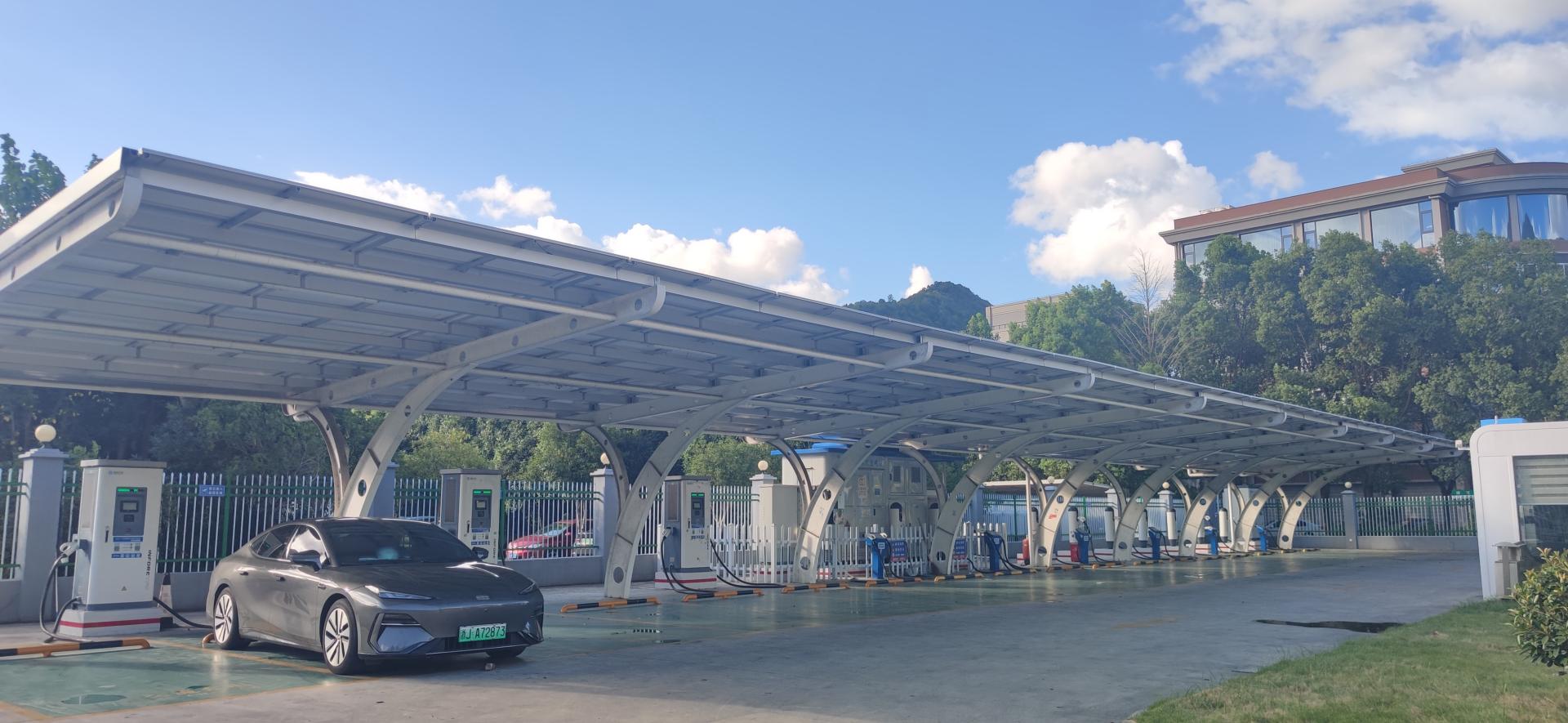
Use a staged rollout: a pilot cluster, then bulk deployment. Execute acceptance tests: insulation resistance, earth loop impedance, dielectric withstand, and functional OCPP sessions. Record charging session logs for 30 days to validate load profiles and tariff apportionment. During operational handover, include runbooks for on-site teams and a monitoring dashboard configured for alerts. In the operational production teardown, confirm {main_keyword} and {variation_keyword} are validated against the NMS and billing back-end protocols — this prevents surprises in invoicing and grid reports.
Advisory close — three golden evaluation metrics
1) Effective available capacity: measure spare kW after peak site loads; aim for >15% buffer for resilience. 2) Mean time to restore (MTTR) for a charger: target under 48 hours with spares and remote diagnostics enabled. 3) Billing accuracy: verify per-session energy metering within ±2% over a 30-day window. These metrics drive procurement choices, station placement, and service agreements. The framework above reduces rework and keeps projects on schedule — and industry players recognize that practical control, clear documentation, and robust testing are the levers that matter. INFORE ENVIRO. —