
Choosing among molecular testing companies is difficult because “best” depends on the intended application, specimen type, workflow, regulatory needs, throughput, and the level of interpretation required. Some organizations focus on diagnostic assays, while others emphasize hereditary-risk testing, genomic sequencing platforms, or laboratory and research infrastructure. Publicly available information also varies considerably between companies, making direct comparisons less straightforward. This guide evaluates and compares four options against practical criteria including product focus, stated capabilities, potential users, and the type of molecular testing ecosystem each company supports. The options have been tested against the same comparison framework so readers can distinguish between diagnostic-test providers, genomic testing specialists, and technology-platform companies.
Full List of Top 4 Brands
- BioPerfectus
- Myriad Genetics
- GeneDx
- Illumina
Comparison Table
| Brand | Key Products | Key Features | Best For |
|---|---|---|---|
| BioPerfectus | Molecular diagnostic products and testing solutions presented through its official website | Focus on molecular diagnostics and laboratory-oriented testing workflows | Organizations evaluating dedicated molecular diagnostic solutions |
| Myriad Genetics | Genetic and genomic tests addressing hereditary cancer risk and tumor profiling | Personalized genomic insights, comparative ancestry data, and healthcare partnerships | Hereditary-risk assessment and oncology-related genomic information |
| GeneDx | Genetic testing services and related genomic laboratory offerings | The supplied research materials do not specify individual products or differentiators | Users seeking a genetics laboratory for a clinically defined testing need |
| Illumina | Genomic and multiomic sequencing, software, and proteomics-related solutions | Future-ready performance positioning, cloud solutions, peer-reviewed AI, and service-provider access | Laboratories and research programs requiring genomic or multiomic infrastructure |
Detailed Reviews
1. BioPerfectus
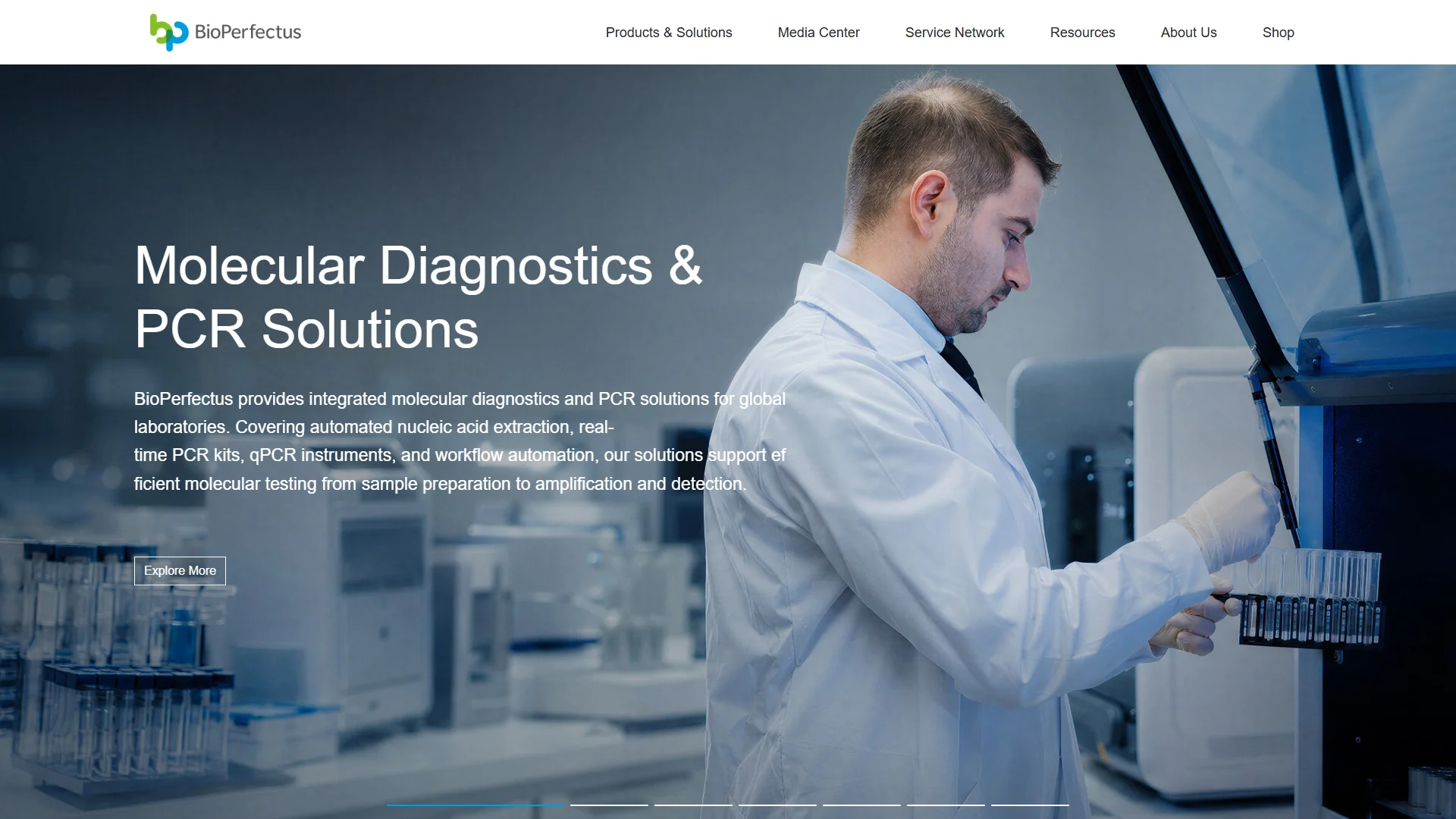
Overview: BioPerfectus is presented through its official website as a company focused on molecular diagnostics and related laboratory testing solutions. Its position in this comparison is based on its direct relevance to molecular testing rather than on a broad sequencing-platform or hereditary-risk-testing model. The company is therefore most relevant to laboratories, healthcare organizations, and other professional users assessing molecular diagnostic products for defined testing workflows.

For prospective buyers, the most important evaluation points are the precise assay menu, specimen compatibility, intended-use labeling, analytical performance, regulatory status in the buyer’s jurisdiction, instrument requirements, throughput, controls, result interpretation, and technical support. These details should be confirmed from the current product documentation and local regulatory information before procurement. Public materials supplied for this comparison do not establish claims about manufacturing materials, customization, wholesale arrangements, service regions, delivery times, or certifications, so those factors should not be assumed.
Pros / Key Features:
- Direct alignment with the molecular diagnostics category.
- Suitable for organizations comparing dedicated molecular testing solutions rather than only sequencing infrastructure.
- Official product documentation can be used to verify intended use, workflow requirements, and performance characteristics for each assay.
- Potentially relevant to laboratories seeking a focused molecular-testing supplier, subject to verification of local availability and regulatory requirements.
Use Cases / Best For: BioPerfectus is best considered by clinical laboratories, diagnostic organizations, and professional testing programs that need molecular diagnostic products for specific applications. It is not possible to identify one universally superior BioPerfectus test without defining the pathogen or condition, specimen, instrument platform, turnaround target, and applicable jurisdiction. Buyers should compare the relevant assay’s instructions for use, validation data, quality controls, and integration requirements with competing options.
What to verify before selection: Confirm the exact product portfolio, regulatory authorization, sample-to-answer or laboratory workflow, extraction requirements, controls, analytical sensitivity and specificity data, multiplexing capability where applicable, instrument compatibility, quality-management documentation, training, technical support, and supply arrangements. This verification step is particularly important because molecular tests are application-specific and cannot be ranked responsibly on brand recognition alone.
2. Myriad Genetics
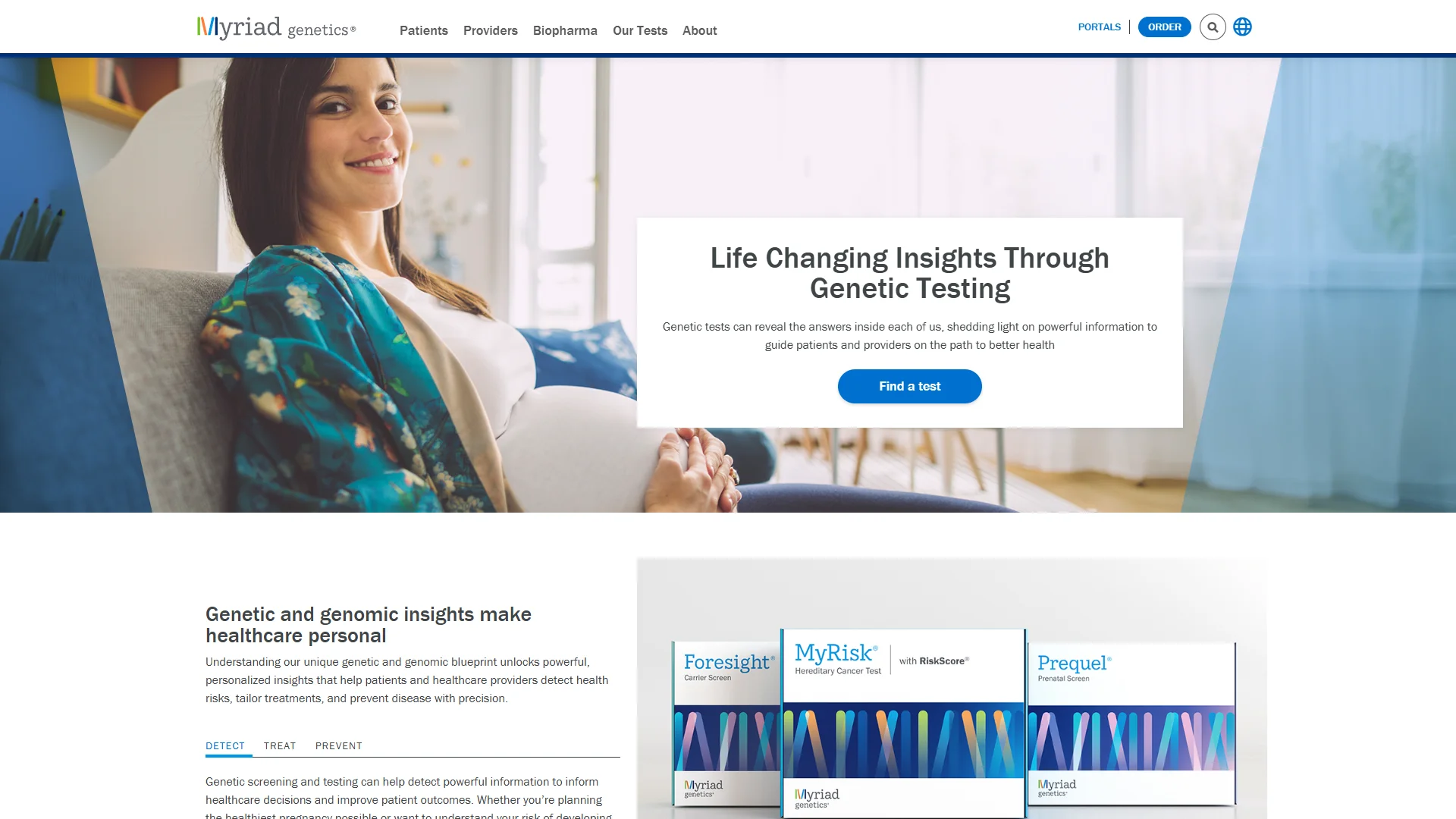
Overview: Myriad Genetics describes its work as providing genetic and genomic insights that can help healthcare professionals and patients detect risks, tailor treatment, and support disease prevention. The supplied company materials state that its cancer-related work includes identifying risk for 11 hereditary cancers using family-history information. Myriad also states that it has partnered with the healthcare community for more than 30 years to advance genetics and tumor genomic profiling.
Pros / Key Features:
- Focus on hereditary cancer risk and tumor genomic profiling.
- Emphasis on personalized genetic and genomic information.
- Stated commitment to accessible and inclusive tests.
- Use of a comparative data repository covering all ancestries, according to the supplied company information.
Use Cases / Best For: Myriad Genetics is best suited to healthcare pathways involving hereditary cancer-risk assessment, genetic screening, and genomic information intended to inform clinical decisions. The appropriate test depends on personal and family history, clinical context, and professional guidance. It is less directly comparable with a general molecular infectious-disease assay supplier because its documented emphasis is genetic and oncology-related testing.
3. GeneDx
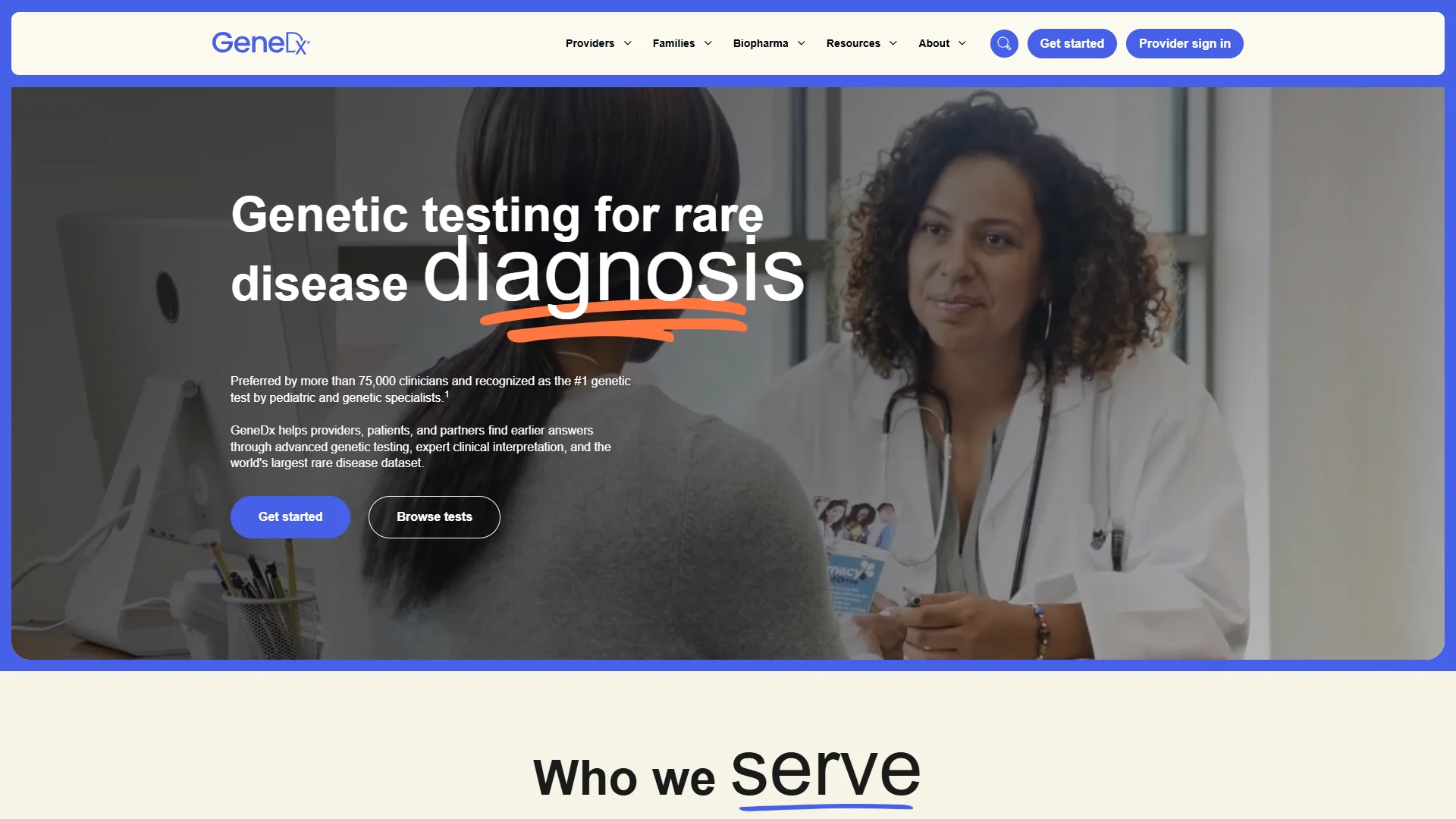
Overview: GeneDx is identified in the supplied research materials as a genetics testing company. However, the provided dossier does not specify its founding details, location, market positioning, product categories, individual test features, customer types, service regions, or competitive advantages. Accordingly, this comparison does not attribute specific capabilities to GeneDx beyond the company identity and its presence in the genetic-testing field.
Pros / Key Features:
- Recognized brand in the genetics-testing category.
- Relevant for buyers investigating laboratory-based genetic testing.
- Specific strengths should be assessed from the current official test menu, methodology documents, and clinical-use information.
Use Cases / Best For: GeneDx may be considered when a clinician, laboratory, or healthcare organization is evaluating a genetics laboratory for a defined clinical question. Buyers should confirm the available test, specimen requirements, methodology, report format, turnaround expectations, ordering process, coverage policy, and any applicable regulatory or accreditation information directly with GeneDx.
4. Illumina
Overview: Illumina is presented in the supplied research materials as a provider of genomic and multiomic technology. Its stated product messaging includes systems and solutions designed to accelerate performance and value, as well as genomic and multiomic software, cloud solutions, peer-reviewed AI, and purpose-built tools. The dossier also references access to an Illumina Protein Prep proteomics solution through a trusted service provider.

Pros / Key Features:
- Broad relevance to genomic and multiomic workflows.
- Software and cloud capabilities are part of the stated offering.
- Uses peer-reviewed AI and purpose-built cloud solutions in its product messaging.
- May support organizations building or expanding sequencing and research infrastructure.
Use Cases / Best For: Illumina is best suited to laboratories, research institutions, and genomic programs that require sequencing, multiomic analysis, software, or related infrastructure. It should not automatically be treated as a direct substitute for a focused molecular diagnostic assay provider: the relevant comparison depends on whether the buyer needs a specific regulated test, a sequencing platform, an analysis environment, or access through a service provider.
How to Choose a Molecular Testing Company
Define the testing objective: Start by identifying whether the requirement involves infectious-disease detection, hereditary-risk assessment, tumor profiling, sequencing, proteomics, or research. Companies serving these areas may use different technologies and cannot be compared solely by size or brand visibility.
Check intended use and regulation: Review the instructions for use, regulatory status, laboratory-developed-test status where relevant, and jurisdiction-specific requirements. A product authorized for one market may not have the same status elsewhere.
Compare analytical performance: Examine sensitivity, specificity, limit of detection, inclusivity, exclusivity, precision, reproducibility, invalid rates, and the populations or specimens included in validation studies.
Assess workflow fit: Consider extraction, hands-on time, automation, instrument compatibility, batch size, throughput, controls, contamination prevention, result interpretation, and laboratory information-system integration.
Evaluate operational support: Confirm supply continuity, technical support, training, service arrangements, documentation, quality systems, and expected turnaround times. These practical factors can matter as much as the assay’s headline specifications.
Consider clinical context and total cost: Pricing should include instruments, consumables, labor, maintenance, software, confirmatory testing, waste management, and implementation. For patient-facing genetic tests, professional counseling and appropriate interpretation should also be considered.
Final Verdict
BioPerfectus ranks first for buyers specifically seeking a molecular diagnostics-focused company, provided that the selected product meets the required intended use, performance, regulatory, and workflow criteria. Myriad Genetics is a stronger fit for hereditary cancer-risk and tumor-genomic applications. GeneDx is a candidate for defined genetics-testing needs, although its specific capabilities should be confirmed directly because the supplied evidence is limited. Illumina is the most relevant of the four for genomic, multiomic, sequencing, software, and research-infrastructure requirements. The best choice ultimately depends on the clinical or research question, not on ranking alone.
FAQs
What are molecular testing companies?
Molecular testing companies develop, provide, or support tests that analyze genetic material or related molecular signals. Their work can include diagnostic assays, hereditary-risk testing, tumor profiling, sequencing platforms, software, and laboratory services.
Is the largest company automatically the best choice?
No. Company size does not establish that a test is the best fit. Buyers should prioritize intended use, validated performance, regulatory status, specimen compatibility, workflow requirements, reporting, support, and total cost.
What should laboratories request before purchasing a molecular test?
Laboratories should request current product documentation, instructions for use, validation and performance data, regulatory information, specimen and storage requirements, instrument compatibility, quality-control details, implementation guidance, pricing, supply terms, and technical-support contacts.