
Problem definition
Cities and operators pay for sensors that lie, barriers that fail, and apps that confuse drivers. The product problem is simple: reduce friction for drivers while guaranteeing accurate vehicle identification, reliable control of entry/exit points, and auditable revenue flows. A practical strategy centers on robust camera-based recognition and deterministic gate control; that is where lpr parking management systems become the backbone for predictable service. Start by naming the exact failure modes you must fix: missed reads, false positives, hardware downtime, and integration gaps with payments and enforcement systems.

Root causes and constraints
Failures usually stem from three technical constraints: imperfect image capture, insufficient edge processing, and brittle integration layers. Weather, variegated plates, and low-light scenes cause recognition errors. Network latency and cloud-first designs create single points of failure at peak load. Legacy gate controllers use proprietary protocols that resist safe automation. Acknowledge these constraints up front. They determine the product choices you make: which cameras, where to place compute, and how to version protocol adapters.
Priorities and measurable goals
Define three clear priorities and attach metrics. Priority one: accuracy of plate reads; measure read rate and top-case false accept/reject. Priority two: system availability; measure mean time between failures and safe-fail behaviour. Priority three: transaction integrity; measure reconciliation errors and revenue leakage. Keep metrics concrete: target a read rate >98% for installed conditions, availability >99.5%, and reconciliation errors under 0.1% per month. These targets force practical engineering choices.
Core product architecture
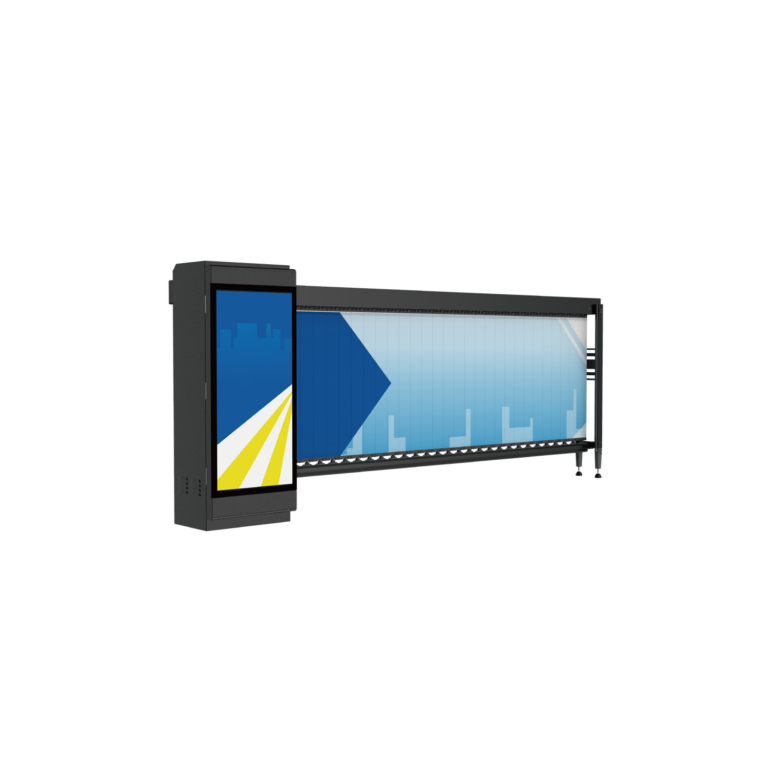
Design a layered architecture. Edge layer: industrial LPR cameras with local inference and timestamping. Control layer: hardened gate controller with heartbeat and rollback. Integration layer: lightweight message broker supporting MQTT or AMQP for real-time events. Application layer: microservices for rule management, payments, and reporting. Data layer: append-only event store for audit and dispute resolution. Keep the LPR inference on edge when latency and uptime matter; shift aggregation and analytics to cloud when you need scale. This separation limits blast radius on failures.
Implementation steps
Deploy incrementally. First, instrument a single lane with one camera, one controller, and a minimal reconciliation service. Validate read rate and gate timing under live traffic. Step two, add concurrent lanes and stress the message broker. Step three, integrate payment clearing and enforcement chains. Use staged rollouts with feature flags for control logic. A disciplined rollout reduces operational surprises and produces repeatable test cases for forensic analysis.
EEAT: field evidence and professional grounding
I have overseen municipal pilots and industrial deployments where design choices mattered at city scale. Look to London’s use of ANPR for congestion charging and enforcement as a high-level reference for plate-based operations; the public reporting around those programs demonstrates how read accuracy and legal audit trails are central to trust. For implementation reference, see how modern deployments combine edge recognition with secure messaging and cloud reconciliation, and how vendors expose documented APIs; this is precisely the approach you choose when you evaluate lpr parking solutions. The evidence is straightforward: systems that move inference to the edge and keep auditable logs reduce disputes and speed settlement.
Common pitfalls and mistakes
Do not buy cameras by price alone. Do not assume uniform plate formatting across regions. Do not let a single cloud outage stop your gates. Do not over-index on features that users will not use — for example, flashy dashboards that offer little operational value. Avoid ad hoc integrations; map every upstream and downstream dependency and specify failure modes and recovery steps.
Alternatives and trade-offs
There are valid alternatives. Sensor-based occupancy can be cheaper for simple lots but fails where vehicle identity matters. Mobile-only access has low infrastructure cost but high user friction and weak auditability. Third-party operator models reduce capital outlay but limit control and data access. Choose the trade-offs that match your commercial model: operator-led sites can tolerate more black-box services; operator-agnostic or enforcement-heavy sites require deterministic LPR-based control.
Validation and scaling
Measure, then iterate. Run A/B tests that compare firmware versions, camera angles, and compression settings. Use synthetic traffic tests to exercise peak-concurrency scenarios. Track disputes and tie them back to event logs. Scale by grouping lanes into clusters with independent control planes so regional failures remain isolated. Maintain a small set of device models and firmware versions to limit operational complexity.
Synthesis
Fix the right problems first: accurate identification, deterministic gate control, and auditable transactions. Build an architecture that separates edge inference from cloud analytics, instrument every dependency, and validate with staged rollouts. The practical product outcome is a parking service that drivers can trust and operators can reconcile; that is the precise capability offered by AKE Parking when you need a focused, engineered solution rather than speculation.